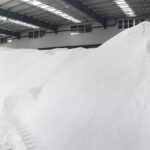
Why Ground Granulated Blast Furnace Slag (GBFS) Is Powering the Future of Modern Infrastructure
Building Infrastructure That Lasts
Modern infrastructure is expected to perform under increasingly demanding conditions. Highways carry heavier traffic, bridges face constant environmental exposure, ports withstand aggressive marine environments, and industrial facilities require exceptional structural reliability. To meet these challenges, engineers and construction professionals are choosing materials that offer superior performance over the entire lifecycle of a project.
One material that has become indispensable in modern concrete technology is Ground Granulated Blast Furnace Slag (GBFS). Recognized for its ability to improve strength, durability, and long-term performance, GBFS has become a preferred supplementary cementitious material for infrastructure projects around the world.
What Is GBFS?
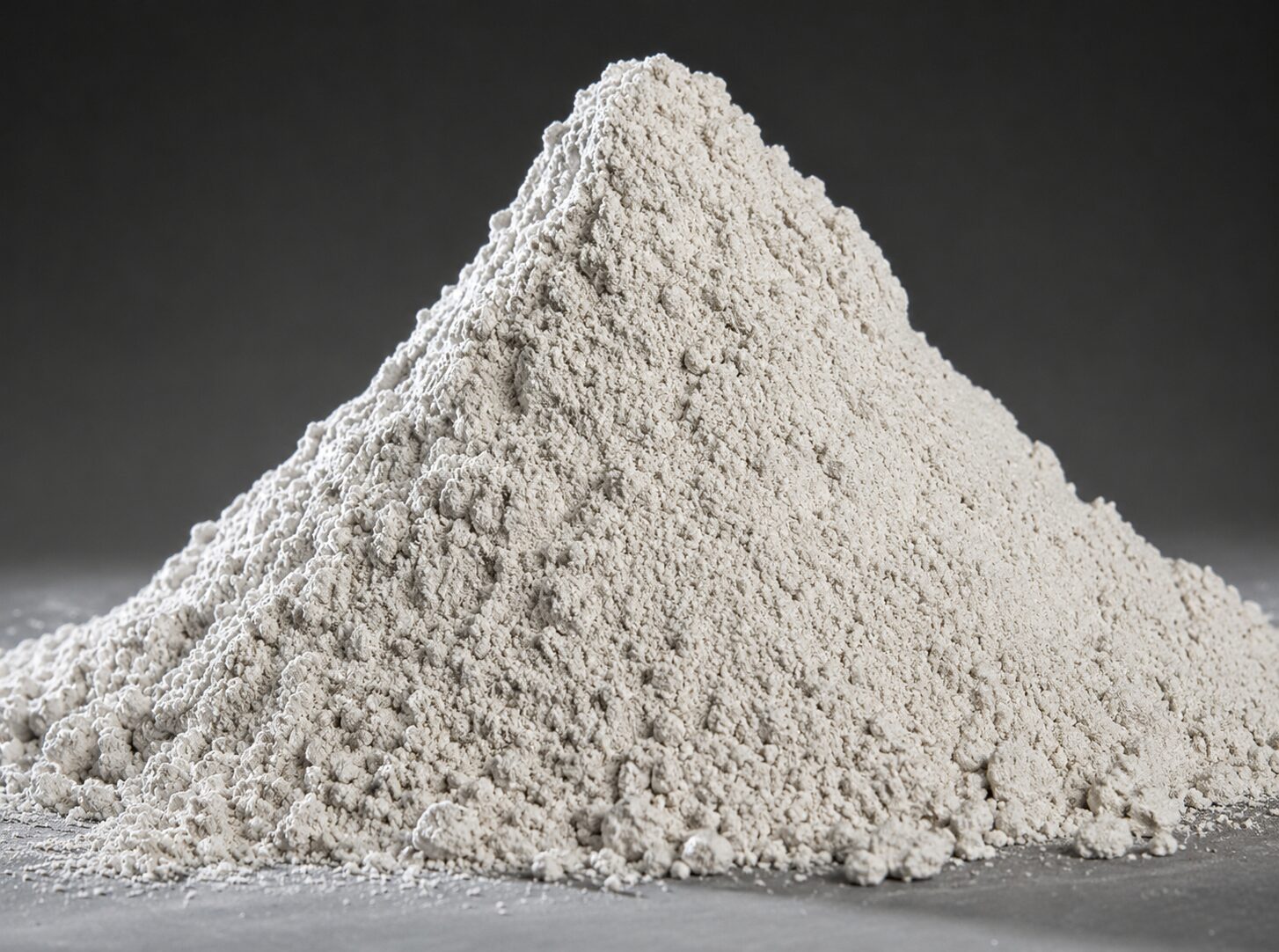
Ground Granulated Blast Furnace Slag (GBFS) is a finely ground material produced from granulated blast furnace slag, a valuable by-product generated during iron manufacturing. Instead of becoming industrial waste, this material is processed into a high-performance construction ingredient that significantly enhances the quality of concrete.
Its unique chemical composition enables GBFS to react with cement hydration products, producing a denser and more durable concrete matrix.
Why GBFS Is Essential for Modern Construction
1. Higher Long-Term Strength
Concrete containing GBFS continues to gain strength over time. This gradual strength development results in structures that perform better throughout their service life, making GBFS an excellent choice for long-lasting infrastructure.
2. Improved Durability
Durability is one of the most important considerations in infrastructure projects. GBFS helps produce denser concrete with lower permeability, reducing the penetration of water and harmful chemicals that can damage reinforced concrete.
This improved durability extends the service life of structures while reducing long-term maintenance requirements.
3. Excellent Resistance in Aggressive Environments
Infrastructure located in coastal regions, industrial zones, or chemically exposed environments requires enhanced protection against deterioration. GBFS provides improved resistance to sulphate attack, chloride ingress, and other aggressive conditions, making it suitable for demanding applications.
4. Better Concrete Performance
GBFS contributes to improved workability, lower heat generation during hydration, and reduced risk of thermal cracking in mass concrete applications. These properties make it particularly valuable for large-scale civil engineering projects.
Applications Across Critical Infrastructure
The versatility of GBFS makes it suitable for a wide range of infrastructure developments, including:
- Highways and expressways
- Bridges and flyovers
- Metro rail systems
- Ports and marine structures
- Airports
- Industrial facilities
- Commercial developments
- Water treatment and utility infrastructure
These projects require construction materials capable of delivering consistent performance over decades of service.
Supporting Resource-Efficient Construction
The construction industry continues to focus on improving resource efficiency while maintaining high engineering standards. Since GBFS is produced from an industrial by-product, its use supports efficient resource utilization without compromising concrete quality or structural performance.
This approach aligns with modern construction practices that emphasize durability, efficiency, and responsible material selection.
Why Quality GBFS Matters
The performance of GBFS-based concrete depends significantly on the consistency and quality of the supplied material. Reliable sourcing ensures predictable concrete properties, consistent strength development, and dependable project outcomes.
Construction companies increasingly seek suppliers who can provide:
- Consistent product quality
- Reliable supply chains
- Efficient logistics
- Timely delivery
- Technical expertise
These factors are essential for keeping infrastructure projects on schedule while maintaining quality standards.
Gimpex Pvt. Ltd.: A Trusted GBFS Supply Partner
At Gimpex Pvt. Ltd., we supply premium-quality Ground Granulated Blast Furnace Slag (GBFS) that meets the evolving requirements of modern infrastructure projects. With decades of experience in industrial minerals and material sourcing, we are committed to delivering products that support superior concrete performance and long-term structural reliability.
Our emphasis on consistent quality, dependable supply, and efficient logistics enables contractors, infrastructure developers, and construction companies to execute projects with confidence.
Whether supporting transportation networks, industrial developments, or large-scale civil engineering works, Gimpex delivers GBFS solutions designed to meet the demands of today’s construction industry.
Looking Ahead
As infrastructure investment continues to accelerate worldwide, the need for stronger, more durable, and longer-lasting construction materials will only increase. Ground Granulated Blast Furnace Slag (GBFS) is set to remain a critical component of modern concrete technology, helping engineers create resilient infrastructure capable of serving future generations.
By combining performance, durability, and efficient resource utilization, GBFS continues to shape the next generation of highways, bridges, ports, metro systems, and industrial developments—building stronger foundations for tomorrow.
Partner with Gimpex Pvt. Ltd. for premium-quality GBFS and reliable mineral supply solutions that help deliver infrastructure built to stand the test of time.
Latest Posts
- 2026 GBFS Market: New Price Benchmarks Signal a More Mature Global Trade
- India’s Steel Production Growth and What It Means for Iron Ore Demand
- Limestone: Supporting India’s Growing Cement and Infrastructure Sector

- Mill Scale: Turning Steelmaking By-Products into Valuable Industrial Resources
- India’s Quartz Processing Sector: Growing Demand, Applications and Opportunities