Limestone: Supporting India’s Growing Cement and Infrastructure Sector
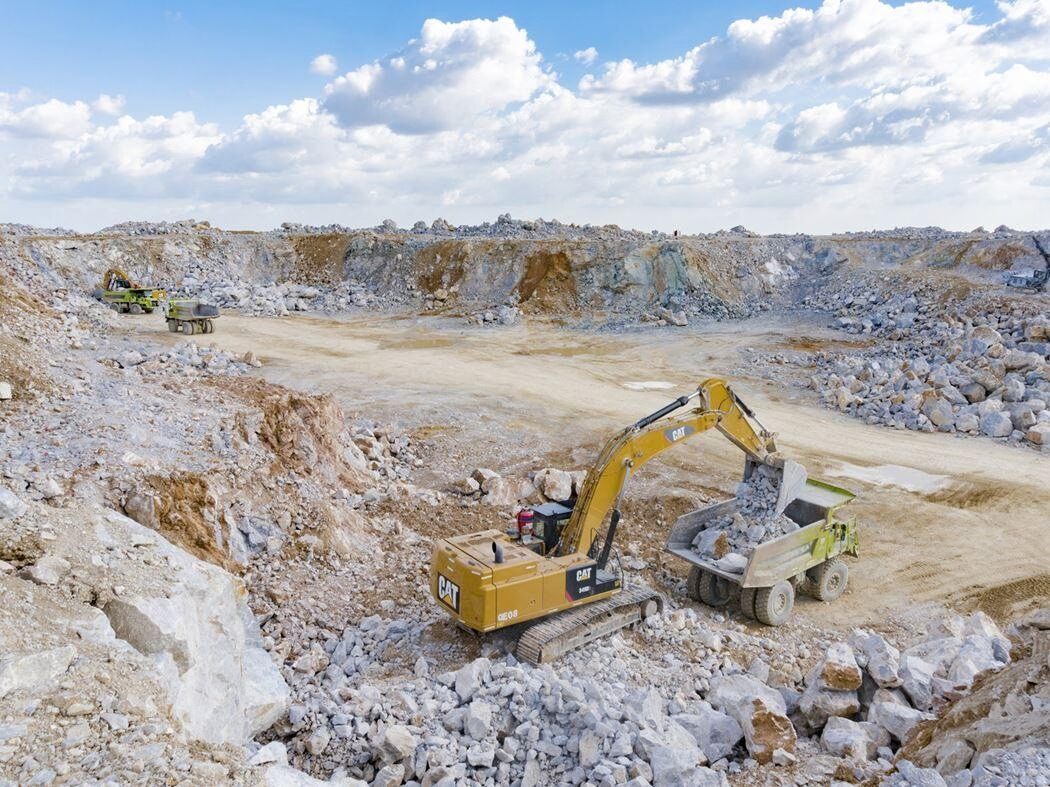
India’s rapid infrastructure development is creating strong demand for essential industrial minerals, and limestone remains one of the most important materials supporting this growth. From cement manufacturing and roads to buildings, bridges and urban infrastructure, limestone plays a fundamental role in the country’s construction ecosystem.
As India continues to invest in housing, transportation networks, industrial facilities and urban development, the demand for cement is also expanding. Since limestone is a key raw material in cement production, its availability, quality and reliable supply are increasingly important for manufacturers and infrastructure-related industries.
Why Limestone Is Important for Cement Production
Limestone is primarily composed of calcium carbonate (CaCO₃), making it a critical raw material for cement manufacturing. During the cement production process, limestone is crushed and processed before being heated at high temperatures in a kiln. This produces clinker, which is then ground with other materials to manufacture cement.
The calcium content of limestone contributes significantly to the chemical composition required for clinker formation. As a result, the quality and consistency of limestone directly influence the efficiency and performance of the cement manufacturing process.
For cement producers, factors such as calcium carbonate content, particle size, moisture, and the presence of impurities can be important when selecting suitable limestone. Consistent mineral characteristics can help manufacturers maintain stable production processes and meet the required quality specifications.
Limestone and India’s Infrastructure Growth
India is witnessing continued development across highways, railways, metro systems, airports, ports, residential projects and industrial infrastructure. These projects require significant quantities of cement and concrete, making limestone an important mineral in the wider infrastructure supply chain.
Urbanisation is another major factor contributing to demand. As cities expand, there is increasing investment in residential buildings, commercial developments, roads, drainage systems and public infrastructure. Cement remains an essential construction material across these applications, indirectly supporting the need for dependable limestone supplies.
Large-scale infrastructure projects also require materials to be available consistently throughout the project lifecycle. Delays in the supply of essential raw materials can affect manufacturing schedules and project timelines. This makes reliable sourcing an important consideration for cement and construction-related industries.
Quality Matters in Limestone Supply
Not all limestone has identical characteristics. Its chemical composition and physical properties can vary depending on its geological origin and processing. For industrial applications, selecting limestone with suitable specifications is therefore essential.
Important quality considerations can include:
- High calcium carbonate content
- Controlled levels of impurities
- Suitable particle size
- Consistent chemical composition
- Appropriate moisture levels
- Reliable availability and supply
For cement manufacturers, consistent limestone quality can support more predictable production and help maintain clinker chemistry. Reliable quality also reduces the challenges associated with variations in raw material characteristics.
This is particularly important for industries operating at large production volumes, where even small changes in raw material quality can influence processing requirements and overall efficiency.
Growing Cement Demand Creates Opportunities
India’s expanding construction and infrastructure landscape is supporting the long-term importance of the cement industry. New residential developments, industrial corridors, transportation projects and urban infrastructure all contribute to cement consumption.
As cement production expands, the requirement for suitable raw materials also increases. Limestone therefore remains strategically important to the cement manufacturing value chain.
The growth of infrastructure is not limited to major metropolitan areas. Development across tier-2 and tier-3 cities, industrial clusters and emerging economic regions is also contributing to construction activity. This broader development can create additional demand for cement and, consequently, for limestone.
Limestone Beyond Cement Manufacturing
While cement production is one of the largest applications for limestone, the mineral also has applications across several other industries. Depending on its grade and characteristics, limestone can be used in areas such as steel manufacturing, glass production, chemical processing and environmental applications.
In environmental applications, limestone can also be used in flue gas desulfurisation systems to help reduce sulphur dioxide emissions from certain industrial processes. Its ability to react with acidic compounds makes it useful in a range of industrial applications.
The versatility of limestone makes dependable sourcing important for multiple sectors, particularly as industries focus on efficiency, quality and responsible resource utilisation.
The Importance of Reliable Mineral Sourcing
For industrial users, sourcing is not simply about obtaining raw materials. It involves ensuring that the required material is available with suitable specifications, consistency and supply reliability.
A dependable industrial mineral supply chain can help businesses manage production requirements more effectively. For limestone buyers, this means working with suppliers who understand industrial specifications and can support consistent sourcing requirements.
At Gimpex Pvt Ltd, reliable sourcing and supply of industrial minerals support the requirements of industries that depend on quality mineral inputs. With a focus on dependable supply solutions, Gimpex helps customers access industrial minerals suited to their operational needs.
Supporting India’s Industrial Future
India’s infrastructure ambitions are creating opportunities across the entire construction and industrial value chain. Cement remains essential for building the physical foundation of economic development, while limestone continues to serve as one of its most important raw materials.
As construction activity, urbanisation and infrastructure investment continue to evolve, the importance of consistent mineral supply will also grow. Quality limestone can contribute to stable cement manufacturing, while reliable sourcing can help industries manage their production requirements more effectively.
For businesses operating in cement, construction and other mineral-intensive industries, building dependable supply chains will remain an important part of long-term growth.
Conclusion
Limestone plays a vital role in India’s growing cement and infrastructure sector. Its importance as a key raw material for cement production connects the mineral directly with roads, buildings, bridges, urban development and major infrastructure projects.
With rising construction activity and continued infrastructure investment, demand for limestone is expected to remain closely linked to the performance and expansion of the cement industry. Consistent quality, suitable specifications and reliable supply will remain essential for meeting industrial requirements.
Latest Posts
- 2026 GBFS Market: New Price Benchmarks Signal a More Mature Global Trade

- India’s Steel Production Growth and What It Means for Iron Ore Demand

- Limestone: Supporting India’s Growing Cement and Infrastructure Sector
- Mill Scale: Turning Steelmaking By-Products into Valuable Industrial Resources
- India’s Quartz Processing Sector: Growing Demand, Applications and Opportunities