Mill Scale: Turning Steelmaking By-Products into Valuable Industrial Resources
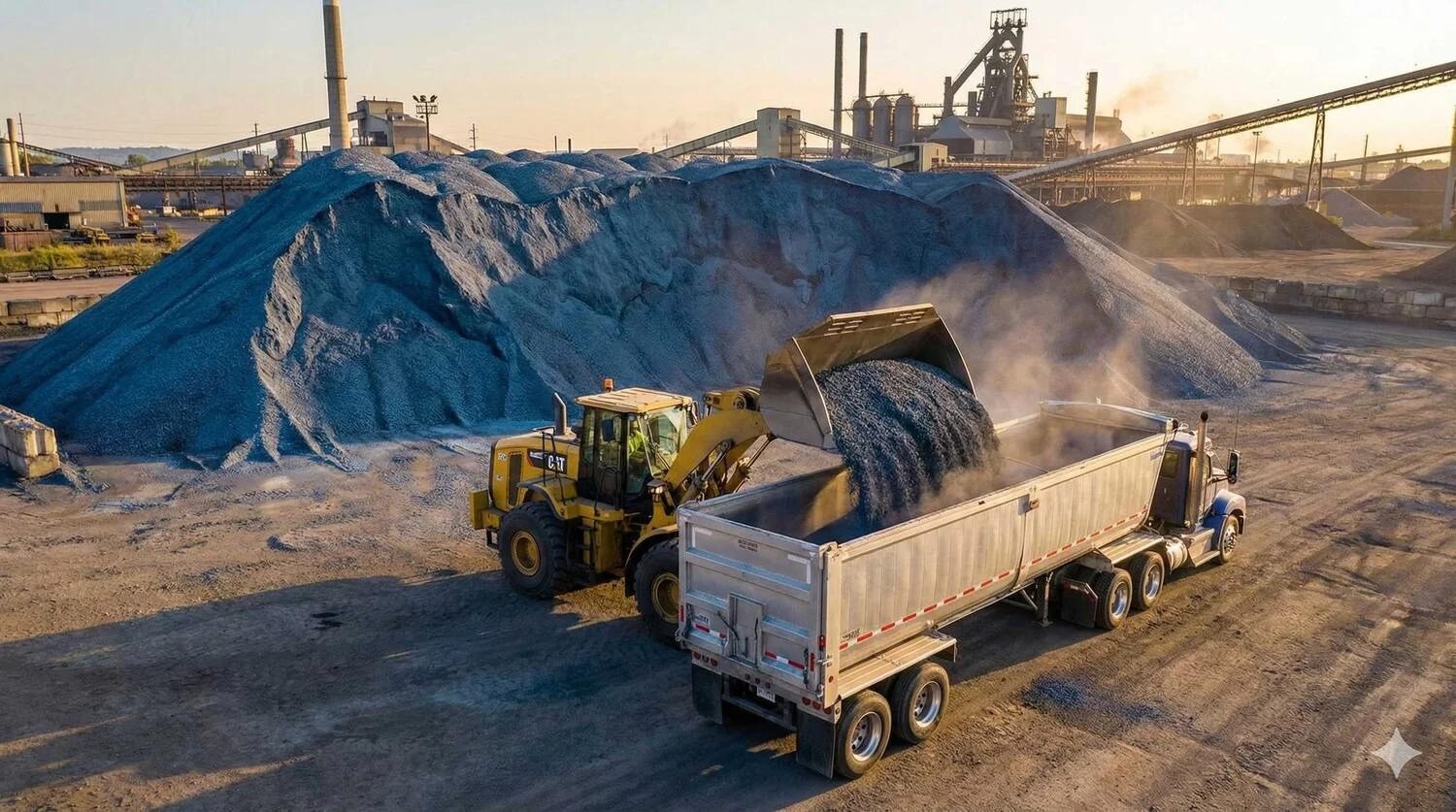
The steel industry generates several by-products during manufacturing, and mill scale is one of the most valuable among them. Formed during the hot rolling and processing of steel, mill scale contains a significant amount of iron, making it a useful secondary raw material for industries looking to improve material recovery and resource efficiency.
As industries increasingly focus on sustainable production, waste reduction, and better utilization of industrial materials, the demand for recoverable iron-bearing by-products such as mill scale continues to attract attention. Instead of treating mill scale simply as industrial waste, manufacturers can recover its material value and explore suitable applications within steelmaking and other iron-based processes.
What Is Mill Scale?
Mill scale is a hard, dark-coloured layer that forms on the surface of steel when it is heated to high temperatures during manufacturing processes such as hot rolling, forging, and reheating. When steel is exposed to oxygen at elevated temperatures, iron reacts with oxygen and forms iron oxides on the surface.
These oxides are commonly present in different forms, including wüstite, magnetite, and hematite. The exact composition of mill scale can vary depending on the steelmaking process, operating conditions, and type of steel being processed.
Because of its iron-rich composition, mill scale can serve as a valuable secondary source of iron when properly collected, processed, and used for suitable industrial applications.
Why Is Mill Scale Valuable?
The primary value of mill scale comes from its high iron content. Since iron is an essential raw material for steel production, recovering iron-bearing materials can help industries make better use of available resources.
Mill scale can offer several benefits when appropriately utilized:
High iron content: Mill scale contains iron oxides that can make it useful as an iron-bearing raw material.
Material recovery: Recovering and reusing mill scale helps extract value from a by-product generated during steel processing.
Reduced industrial waste: Reusing mill scale can reduce the quantity of steel-processing residue that requires disposal.
Steelmaking applications: Its iron-bearing characteristics make it suitable for selected applications associated with iron and steel production.
Resource efficiency: Reintroducing recoverable materials into industrial processes supports more efficient use of natural and secondary resources.
Mill Scale in Steelmaking
Steelmaking requires substantial quantities of iron-bearing raw materials. Traditionally, materials such as iron ore and pellets form an important part of the raw-material mix. However, secondary iron-bearing materials can also contribute to resource efficiency when their characteristics meet process requirements.
Mill scale can be processed and used in selected steelmaking applications depending on its chemical composition, physical characteristics, and the requirements of the end process.
It may be incorporated into suitable raw-material blends or processed into forms that can support iron recovery. The suitability of mill scale depends on factors such as iron content, oxide composition, moisture, particle size, and the presence of unwanted impurities.
Therefore, quality assessment and proper material handling are important when sourcing mill scale for industrial use.
Supporting Material Recovery Through Mill Scale
One of the important advantages of mill scale is its potential to support material recovery. Steel manufacturing involves high-temperature operations where iron-containing material naturally forms on steel surfaces. Capturing this material provides an opportunity to recover part of the iron value rather than allowing it to become an unused residue.
This approach supports the broader concept of industrial resource efficiency. By identifying useful materials within production by-products, industries can reduce dependence on virgin resources and improve the overall utilization of raw materials.
For steel manufacturers and processors, effective collection, segregation, storage, and utilization of mill scale can therefore become part of a more resource-conscious production strategy.
Reducing Industrial Waste
Industrial waste management is becoming increasingly important across manufacturing sectors. Companies are looking for ways to minimize waste generation while maximizing the value obtained from available materials.
Mill scale provides an example of how a steelmaking by-product can move toward a circular material-use model. Instead of considering it only as waste, industries can evaluate its potential for recovery and reuse.
When suitable mill scale is redirected toward productive applications, it can help reduce disposal requirements and improve the overall efficiency of material utilization.
This does not mean that every quantity or grade of mill scale can be directly reused. Proper evaluation is necessary to determine whether the material meets the specifications of a particular application.
Factors to Consider When Sourcing Mill Scale
The quality and suitability of mill scale can differ from one source to another. Industrial buyers should therefore consider several factors before sourcing the material.
Iron content is one of the most important parameters because it directly influences the material’s value for iron-bearing applications.
Chemical composition should also be evaluated to identify the presence of elements or impurities that may affect downstream processing.
Particle size and physical form can influence handling, transportation, storage, and process performance.
Moisture content is another important consideration, particularly when the material is transported or introduced into high-temperature industrial processes.
Consistency of supply is equally important for industries that require regular quantities of secondary raw materials.
Working with a reliable supplier can help manufacturers source material with greater consistency and align procurement with their technical requirements.
Mill Scale and Resource Efficiency
The growing focus on sustainable manufacturing is encouraging industries to look beyond conventional raw-material sourcing. Resource efficiency involves using materials more effectively, minimizing avoidable waste, and finding opportunities to recover valuable resources from industrial processes.
Mill scale fits naturally into this approach because it contains recoverable iron generated during steel processing. Its reuse can help create an additional pathway for iron-bearing material while reducing the amount of potentially useful material lost as waste.
For steel-related industries, this can support a more efficient approach to raw-material management while contributing to broader waste-reduction objectives.
The Role of Reliable Industrial Raw-Material Supply
The benefits of mill scale can only be realized when the material is sourced, handled, and supplied appropriately. Industrial buyers require dependable supply chains that can meet their quantity, quality, and delivery requirements.
At Gimpex Pvt Ltd, we support industries with reliable sourcing and supply solutions for quality industrial raw materials. Our approach focuses on understanding industrial requirements and supporting customers with dependable material sourcing for their applications.
As industries continue to explore resource-efficient manufacturing practices, materials such as mill scale can play an important role in connecting steelmaking by-products with productive industrial applications.
Conclusion
Mill scale demonstrates how an industrial by-product can have significant value when its material characteristics are properly understood and utilized. Its high iron content, potential for material recovery, and suitability for selected steelmaking applications make it an important secondary raw material.
By recovering and reusing mill scale, industries can reduce waste, improve resource utilization, and explore more efficient approaches to raw-material management. As the steel industry continues to focus on productivity, sustainability, and circular resource use, the role of iron-rich by-products is likely to become increasingly relevant.
With reliable sourcing and appropriate quality considerations, mill scale can contribute to a more resource-efficient industrial supply chain.
Latest Posts
- 2026 GBFS Market: New Price Benchmarks Signal a More Mature Global Trade

- India’s Steel Production Growth and What It Means for Iron Ore Demand

- Limestone: Supporting India’s Growing Cement and Infrastructure Sector

- Mill Scale: Turning Steelmaking By-Products into Valuable Industrial Resources
- India’s Quartz Processing Sector: Growing Demand, Applications and Opportunities