
Reliable Supply Chains: The Foundation of Industrial Growth
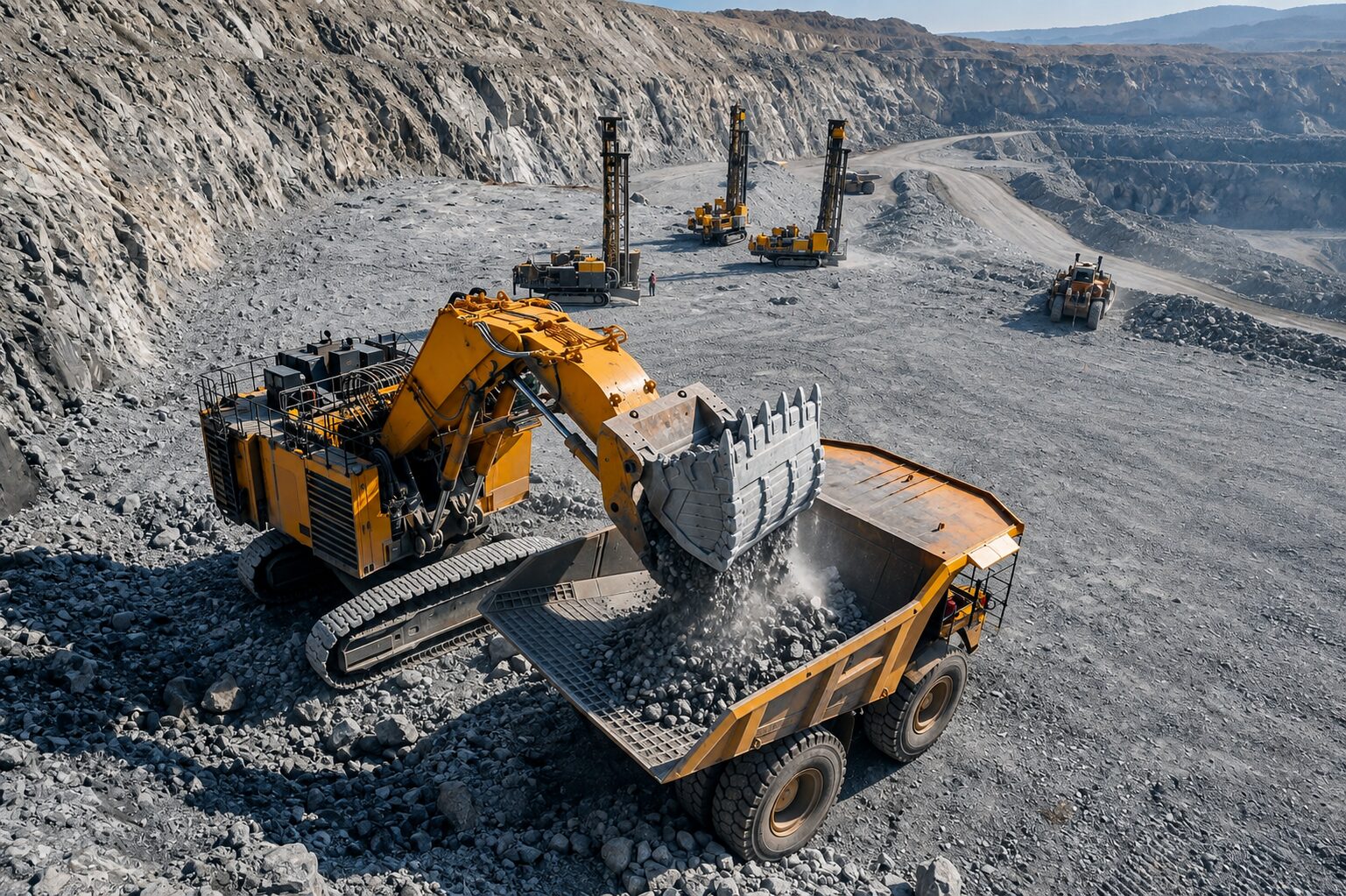
In today’s interconnected industrial landscape, reliable supply chains are more than an operational necessity—they are a competitive advantage. Industries such as steel, ceramics, glass, foundries, chemicals, construction, and energy rely on a continuous flow of high-quality raw materials to maintain production schedules, meet customer commitments, and remain profitable.
As global markets continue to evolve, businesses face increasing challenges, including fluctuating commodity prices, transportation delays, changing trade regulations, and supply disruptions. In such an environment, organizations that invest in resilient and reliable supply chains are better positioned to achieve sustainable industrial growth and operational excellence.
At Gimpex Pvt. Ltd., we understand that successful raw material procurement extends far beyond simply purchasing minerals. It requires strategic sourcing, long-term partnerships, rigorous quality control, and an efficient logistics network that ensures uninterrupted supply to customers across industries.
Why Reliable Supply Chains Matter
Manufacturing industries depend heavily on the uninterrupted availability of industrial minerals and raw materials. Even a minor delay in procurement can result in production downtime, increased operational costs, missed delivery deadlines, and reduced customer satisfaction.
A dependable supply chain helps businesses:
- Maintain uninterrupted production schedules
- Reduce procurement risks
- Improve inventory management
- Control operational costs
- Enhance customer confidence
- Respond quickly to changing market demands
Whether sourcing feldspar for ceramics, quartz for glass manufacturing, limestone for steel production, or coal for industrial applications, timely and consistent material availability directly impacts production efficiency.
Strategic Procurement: Beyond Traditional Sourcing
Modern procurement is no longer focused solely on obtaining the lowest price. Instead, successful organizations adopt a strategic approach that balances quality, availability, cost efficiency, and long-term business continuity.
The following procurement strategies help build resilient supply chains.
1. Diversified Sourcing
Relying on a single supplier or sourcing region increases vulnerability to disruptions caused by geopolitical events, transportation challenges, or market fluctuations.
Diversified sourcing enables businesses to:
- Minimize supply risks
- Ensure continuous material availability
- Improve procurement flexibility
- Respond quickly to market changes
Working with multiple qualified suppliers across different regions provides greater resilience during unexpected disruptions.
2. Building Strong Supplier Relationships
Reliable suppliers are strategic business partners rather than transactional vendors.
Long-term supplier relationships provide several advantages:
- Better communication
- Consistent product quality
- Faster issue resolution
- Improved forecasting
- Greater supply reliability
Partnership-based procurement encourages collaboration, transparency, and mutual growth, ultimately benefiting both suppliers and customers.
3. Consistent Quality Assurance
Industrial manufacturing depends on raw materials that consistently meet technical specifications.
Variations in mineral composition, particle size, moisture levels, or chemical properties can significantly affect production quality and efficiency.
Robust quality assurance practices include:
- Comprehensive material testing
- Quality inspections
- Standardized specifications
- Batch traceability
- Continuous supplier evaluation
Consistent quality helps manufacturers reduce waste, improve product performance, and maintain customer satisfaction.
4. Efficient Logistics and Inventory Planning
An effective supply chain is not complete without efficient logistics.
Reliable transportation, optimized inventory management, and well-planned distribution networks ensure materials arrive when and where they are needed.
Key logistics strategies include:
- Demand forecasting
- Inventory optimization
- Transportation planning
- Warehouse coordination
- Shipment tracking
Efficient logistics minimize delays, reduce carrying costs, and improve overall supply chain performance.
5. Market-Driven Procurement Decisions
Global commodity markets are constantly changing due to demand shifts, trade policies, currency fluctuations, and economic conditions.
Businesses that monitor market trends can make informed procurement decisions by:
- Purchasing during favorable market conditions
- Planning inventory strategically
- Managing price volatility
- Identifying emerging supply opportunities
Market intelligence enables organizations to remain agile while protecting profitability.
Overcoming Modern Supply Chain Challenges
Today’s industrial supply chains face several ongoing challenges, including:
- Global transportation disruptions
- Rising freight costs
- Commodity price volatility
- Regulatory changes
- Increasing demand for high-quality raw materials
- Supply shortages in key markets
Addressing these challenges requires proactive planning, supplier diversification, technology adoption, and strong risk management practices.
Organizations that prioritize supply chain resilience are better equipped to maintain operational continuity even during uncertain market conditions.
The Role of Industrial Mineral Suppliers
Industrial mineral suppliers play a critical role in supporting manufacturing industries by ensuring the consistent availability of essential raw materials.
An experienced supplier offers more than products—they provide:
- Industry expertise
- Technical knowledge
- Global sourcing capabilities
- Reliable logistics
- Quality assurance
- Market insights
This comprehensive support enables manufacturers to focus on production while reducing procurement complexities.
How Gimpex Pvt. Ltd. Supports Reliable Supply Chains
For decades, Gimpex Pvt. Ltd. has been a trusted partner in supplying industrial minerals and raw materials to customers across diverse industries.
Our strengths include:
- Extensive global sourcing network
- Strong relationships with trusted suppliers
- Consistent quality assurance processes
- Reliable logistics and supply management
- Industry expertise built over decades
- Customer-focused procurement solutions
Our portfolio includes a wide range of industrial minerals and raw materials that support steel, ceramics, glass, foundry, energy, and manufacturing industries.
By combining strategic sourcing with dependable supply chain management, we help customers maintain uninterrupted operations and improve procurement efficiency.
The Future of Reliable Supply Chains
As industries continue to expand globally, supply chains will become increasingly data-driven, technology-enabled, and strategically managed.
Companies that invest in supplier partnerships, digital procurement tools, logistics optimization, and market intelligence will gain a significant competitive advantage.
Reliable supply chains are no longer just about moving materials—they are about enabling industrial growth, supporting business resilience, and creating long-term value.
Conclusion
Reliable supply chains form the backbone of modern industrial development. Strategic sourcing, diversified supplier networks, rigorous quality assurance, efficient logistics, and informed procurement decisions all contribute to a resilient and successful supply chain.
Businesses that strengthen these areas are better prepared to navigate market uncertainties while maintaining consistent production and customer satisfaction.
Latest Posts
- 2026 GBFS Market: New Price Benchmarks Signal a More Mature Global Trade

- India’s Steel Production Growth and What It Means for Iron Ore Demand

- Limestone: Supporting India’s Growing Cement and Infrastructure Sector

- Mill Scale: Turning Steelmaking By-Products into Valuable Industrial Resources

- India’s Quartz Processing Sector: Growing Demand, Applications and Opportunities