High-Purity Quartz: Meeting the Needs of Modern Industries
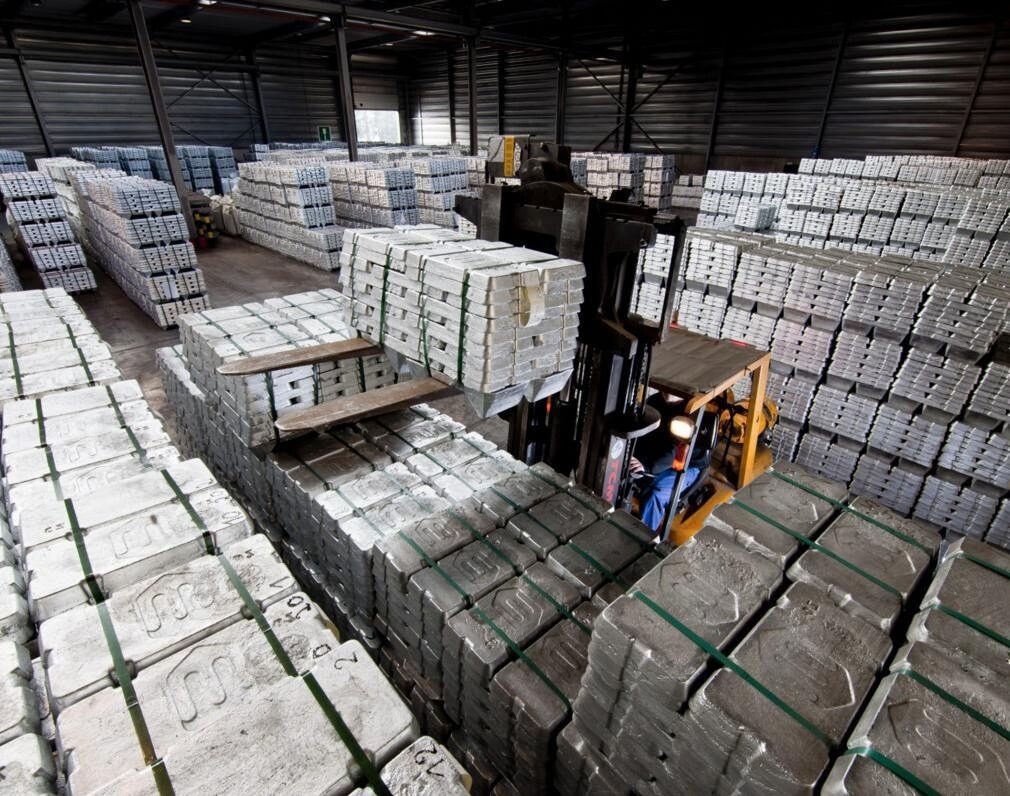
India’s zinc recycling industry is gaining importance as manufacturers, recyclers, and metal processors look for efficient ways to recover valuable materials and build more sustainable supply chains. In 2026, the growing focus on resource efficiency, scrap recovery, and circular economy practices is creating new opportunities across the zinc recycling value chain.
Zinc is widely used in galvanizing, die casting, brass manufacturing, batteries, construction materials, and several industrial applications. As demand for zinc-based products continues to support industrial activity, the recovery and processing of zinc-bearing scrap can play an increasingly important role in meeting material requirements.
Rising Zinc Scrap Recycling in India
The availability of zinc-bearing scrap is increasing through manufacturing activities, fabrication processes, galvanizing operations, and end-of-life industrial products. Zinc scrap can include production residues, galvanizing residues, die-casting scrap, zinc alloy waste, and other zinc-containing materials.
Instead of treating these materials only as industrial waste, improved collection and segregation systems can help recover their metallic value. Better scrap handling can also support recyclers in obtaining more consistent feedstock for secondary zinc production.
For businesses involved in metal recycling, this creates opportunities to develop stronger collection networks and improve the movement of zinc-bearing materials between suppliers, processors, and end users.
Growing Secondary Zinc Recovery
Secondary metal recovery is becoming an important part of the circular economy. Recycling zinc-bearing materials can reduce dependence on primary resources while allowing valuable metals to remain within the industrial supply chain.
Modern processing technologies can help recover zinc from different types of industrial residues and scrap. Depending on the material, processing may involve sorting, separation, treatment, melting, refining, or other recovery methods.
The quality and composition of incoming scrap remain important factors. Consistent material specifications, proper segregation, and reliable sourcing can improve processing efficiency and help recyclers produce materials suitable for industrial applications.
New Processing Opportunities
The expansion of zinc recycling is creating opportunities beyond conventional scrap collection. Companies can explore improved sorting systems, recovery technologies, residue processing, and value-added secondary zinc products.
Technology can also help recyclers handle materials that were previously difficult or uneconomical to process. Better equipment and process control can improve recovery rates, reduce material losses, and support more efficient operations.
For industrial buyers, this can translate into a broader range of secondary zinc materials and potentially more flexible sourcing options.
Trade Opportunities in the Zinc Recycling Market
India’s growing industrial base is creating opportunities for domestic and international trade in recyclable zinc materials. As recycling networks become more organized, suppliers can connect industrial scrap sources with specialized processors and consumers.
Reliable trade depends on several factors, including material quality, specifications, regulatory requirements, logistics, and consistent supply. Companies that can provide properly graded and traceable zinc-bearing materials may be better positioned to serve evolving market requirements.
This is particularly relevant for businesses seeking alternative sources of industrial raw materials while maintaining quality and supply consistency.
Zinc Recycling and the Circular Economy
Zinc recycling directly supports the principles of a circular economy by keeping valuable metals in productive use for longer. Recovering zinc from scrap and industrial residues reduces the need to rely exclusively on newly extracted resources.
A stronger circular supply chain can involve manufacturers, scrap collectors, recyclers, processors, traders, and end users working together. Each stage contributes to improving material recovery and reducing unnecessary waste.
For industries using zinc and zinc-containing materials, incorporating recycled sources into procurement strategies can support broader sustainability objectives while creating additional supply options.
The Importance of Reliable Zinc Sourcing
As the zinc recycling market develops, reliable sourcing will remain a key requirement. Industrial customers need materials that meet agreed specifications and are available with consistent supply.
This makes supplier relationships, quality checks, logistics planning, and material traceability increasingly important. Companies operating in the zinc supply chain can create value by connecting suitable sources with industrial requirements and supporting efficient movement of materials.
Opportunities Ahead in 2026
India’s zinc recycling sector has significant potential as industrial activity, sustainability priorities, and demand for resource-efficient materials continue to evolve. Rising scrap recovery, secondary metal processing, improved technologies, and expanding circular supply chains can create opportunities for both domestic and international market participants.
The future of zinc recycling will depend not only on recovering more material but also on improving how that material is collected, processed, traded, and returned to industrial applications.
Latest Posts
- 2026 GBFS Market: New Price Benchmarks Signal a More Mature Global Trade

- India’s Steel Production Growth and What It Means for Iron Ore Demand

- Limestone: Supporting India’s Growing Cement and Infrastructure Sector

- Mill Scale: Turning Steelmaking By-Products into Valuable Industrial Resources
- India’s Quartz Processing Sector: Growing Demand, Applications and Opportunities