How Industrial Minerals Support Growth Across Steel, Ceramics, Glass, and Energy Industries
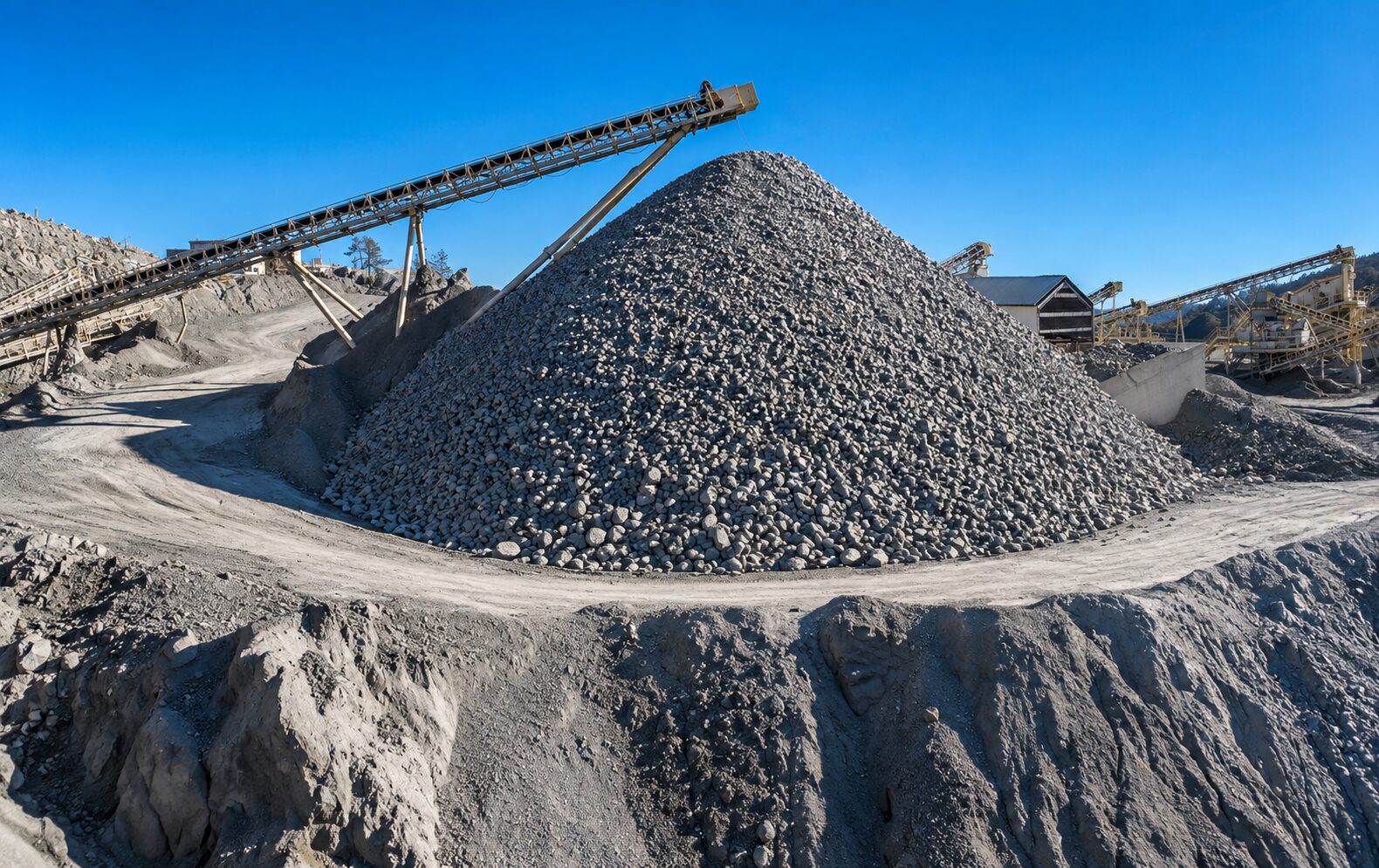
Industrial minerals form the backbone of modern manufacturing and infrastructure. While they may not always be visible in the final product, their role is critical in ensuring efficient production, consistent quality, and long-term industrial performance. From steel plants and ceramic manufacturing facilities to glass production units and energy infrastructure, industrial minerals contribute to nearly every stage of industrial development.
As industries continue to expand, the demand for reliable, high-quality mineral resources has become increasingly important. Businesses require consistent raw materials that meet technical specifications while supporting productivity and operational efficiency.
At Gimpex Pvt. Ltd., we supply premium industrial minerals to industries across India and international markets, helping manufacturers achieve reliable performance through quality mineral solutions.
The Importance of Industrial Minerals
Industrial minerals are naturally occurring minerals used for their physical and chemical properties rather than for metal extraction. Their versatility makes them indispensable across multiple industries where they improve manufacturing processes, product quality, and operational efficiency.
Whether acting as a flux in steelmaking, a strengthening agent in ceramics, or a purity enhancer in glass production, industrial minerals directly influence production outcomes.
Some of the key industrial minerals widely used today include:
- Limestone
- Bentonite
- Quartz
- Feldspar
- Mill Scale
- Barite
- Coal
- Cenosphere
Each mineral serves a specific purpose depending on the industry’s technical requirements.
Supporting the Steel Industry
Steel remains one of the world’s most important construction and manufacturing materials. Producing high-quality steel requires carefully selected raw materials, and industrial minerals play a vital role throughout the production process.
Limestone
Limestone functions as an essential flux during steel manufacturing. It combines with impurities present in iron ore to form slag, allowing cleaner metal production while improving furnace efficiency.
Benefits include:
- Improved impurity removal
- Better furnace performance
- Higher-quality steel output
- Increased production efficiency
Bentonite
Bentonite is widely used in iron ore pelletization. Its excellent binding properties help produce strong pellets capable of withstanding transportation and high-temperature processing.
Advantages include:
- Strong pellet formation
- Reduced material loss
- Improved blast furnace productivity
Mill Scale
Mill scale is a valuable iron-rich material generated during steel processing. It serves as a secondary source of iron in sintering and steelmaking operations.
Key benefits:
- High iron recovery
- Efficient resource utilization
- Cost-effective raw material replacement
Together, these minerals contribute significantly to improving steel manufacturing efficiency while maintaining product quality.
Enhancing Ceramic Manufacturing
The ceramics industry depends heavily on mineral quality. Everything from sanitary ware and tiles to electrical ceramics requires carefully processed industrial minerals.
Feldspar
Feldspar acts as a flux during ceramic firing. It lowers the melting temperature, improves vitrification, and creates smoother finished surfaces.
Benefits include:
- Enhanced product strength
- Improved glaze quality
- Better dimensional stability
- Reduced firing temperatures
Quartz
Quartz provides mechanical strength and dimensional stability during ceramic production.
Its advantages include:
- Increased hardness
- Improved durability
- Better resistance to thermal shock
- Consistent product quality
The combination of feldspar and quartz enables ceramic manufacturers to produce high-performance products that meet demanding market standards.
Building Better Glass Products
Glass manufacturing demands extremely pure mineral inputs. Even minor impurities can affect transparency, color, and structural performance.
High-Purity Quartz
Quartz supplies the silica needed to manufacture glass. High-purity quartz ensures excellent optical clarity and chemical stability.
Applications include:
- Flat glass
- Container glass
- Solar glass
- Specialty glass
- Technical glass products
Feldspar
Feldspar contributes alumina during glass production, improving durability while reducing melting temperatures.
Its role includes:
- Increased chemical resistance
- Better surface finish
- Improved thermal performance
- Enhanced mechanical strength
Together, quartz and feldspar help manufacturers produce durable, high-quality glass products suitable for a wide range of industrial applications.
Powering the Energy Industry
Industrial minerals also play an important role in energy production and infrastructure development.
Various minerals are used across:
- Thermal power generation
- Oil and gas exploration
- Drilling operations
- Infrastructure development
- Power plant construction
Barite, for example, is widely used in drilling fluids because of its high density, while coal remains a major energy resource for industrial power generation. Other minerals contribute to insulation materials, refractory products, and infrastructure supporting energy facilities.
Reliable mineral supply helps energy companies maintain operational continuity while supporting large-scale industrial projects.
Why Quality Industrial Minerals Matter
The quality of industrial minerals directly impacts manufacturing performance.
High-quality mineral resources provide:
- Consistent chemical composition
- Reliable particle size distribution
- Improved process efficiency
- Lower production variability
- Better product performance
- Reduced operational downtime
Manufacturers increasingly rely on trusted suppliers who can consistently deliver minerals that meet stringent quality standards.
This makes mineral sourcing an important strategic decision for industries focused on productivity and operational excellence.
Gimpex Pvt. Ltd.: Your Trusted Industrial Mineral Partner
With decades of expertise in mineral trading and supply, Gimpex Pvt. Ltd. has established itself as a dependable partner for industries requiring high-quality industrial minerals.
Our portfolio includes minerals that serve multiple sectors, including:
- Steel
- Ceramics
- Glass
- Energy
- Construction
- Refractories
- Manufacturing
Our commitment to quality, consistency, and reliable supply enables customers to maintain uninterrupted operations while meeting demanding production requirements.
By understanding industry-specific needs, we deliver mineral solutions that help businesses improve efficiency, product quality, and long-term performance.
Conclusion
Industrial minerals continue to play a foundational role in supporting modern industry. Whether improving steel production, strengthening ceramic products, enhancing glass quality, or supporting energy infrastructure, these essential materials contribute to efficient manufacturing and reliable industrial growth.
As industrial demand continues to evolve, partnering with an experienced mineral supplier becomes increasingly important. High-quality industrial minerals ensure consistent production, optimized processes, and dependable performance across diverse applications.
Gimpex Pvt. Ltd. remains committed to supplying premium industrial minerals that help industries achieve greater productivity, operational efficiency, and reliable manufacturing outcomes.
Latest Posts
- 2026 GBFS Market: New Price Benchmarks Signal a More Mature Global Trade
- India’s Steel Production Growth and What It Means for Iron Ore Demand
- Limestone: Supporting India’s Growing Cement and Infrastructure Sector
- Mill Scale: Turning Steelmaking By-Products into Valuable Industrial Resources
- India’s Quartz Processing Sector: Growing Demand, Applications and Opportunities