
High-Purity Quartz: Meeting the Needs of Modern Industries
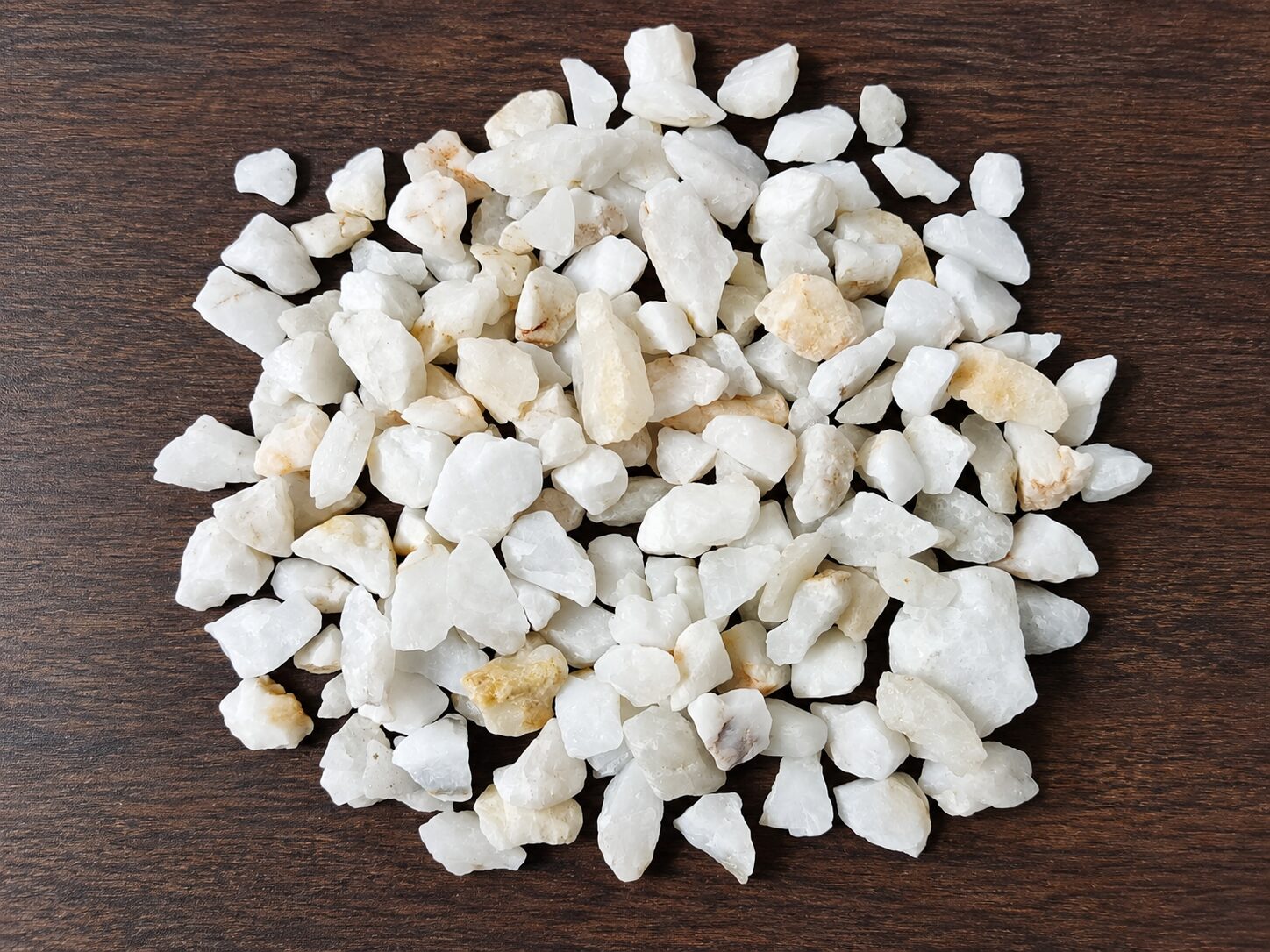
Modern industries increasingly depend on raw materials that deliver consistent quality, purity, and performance. Among these essential industrial minerals, high-purity quartz has become an important material for applications where even small levels of impurities can affect product quality and manufacturing efficiency. Its unique physical and chemical properties make it suitable for a wide range of industries, including glass manufacturing, ceramics, electronics, solar applications, foundries, and advanced manufacturing.
As industries continue to adopt advanced technologies and improve production standards, the demand for reliable sources of high-purity quartz is also growing. Consistent mineral quality and dependable supply are important for manufacturers seeking stable production and predictable performance.
What Is High-Purity Quartz?
Quartz is a naturally occurring mineral primarily composed of silicon dioxide (SiO₂). High-purity quartz refers to quartz with very low levels of impurities, particularly elements such as iron, aluminium, titanium, and other trace minerals.
The level of purity required depends on the intended application. Industries with highly sensitive manufacturing processes may require quartz with carefully controlled chemical composition, particle size, moisture, and other physical characteristics.
The combination of high silica content, chemical stability, hardness, and resistance to high temperatures makes high-purity quartz a valuable industrial raw material.
Importance of High-Purity Quartz in Modern Industries
Manufacturing processes are becoming more precise, and industries require raw materials that can maintain consistent performance from one production batch to another. High-purity quartz supports these requirements by providing a controlled and dependable source of silica.
Impurities in quartz can influence colour, thermal behaviour, chemical properties, and the quality of finished products. For this reason, manufacturers carefully evaluate quartz based on its chemical composition, purity level, particle size, and suitability for specific applications.
Reliable sourcing is therefore an important part of maintaining efficient production and consistent product quality.
Glass Manufacturing
The glass industry is one of the major application areas for high-quality quartz. Silica is a fundamental component in glass production and contributes to the strength, transparency, and thermal properties of the finished glass.
High-purity quartz can be used in applications where manufacturers require controlled silica content and low levels of unwanted impurities. This is particularly important for specialised glass products where clarity, chemical resistance, and thermal performance are important.
As demand grows for advanced glass used in construction, automotive, electronics, and energy applications, the need for suitable high-quality silica raw materials continues to develop.
Ceramics and Advanced Materials
Quartz is also widely used in ceramic manufacturing. It can influence the dimensional stability, thermal behaviour, and mechanical characteristics of ceramic products.
In advanced ceramic applications, consistent raw material quality is especially important because manufacturing processes often require precise control over composition and particle size. High-purity quartz can therefore support manufacturers looking for dependable mineral inputs for specialised ceramic formulations.
Its thermal stability also makes quartz suitable for applications involving elevated processing temperatures.
Electronics and Semiconductor Applications
The electronics industry requires materials with extremely controlled chemical characteristics. Quartz is valued in several high-temperature and specialised applications because of its thermal stability, chemical resistance, and ability to perform under demanding processing conditions.
High-purity quartz is particularly relevant to industries associated with semiconductor and electronic manufacturing, where contamination control is essential. Quartz-based components and materials are used in specialised processing environments where high purity and resistance to thermal stress are important.
As semiconductor manufacturing and advanced electronics continue to evolve, the importance of high-quality raw materials remains significant.
Solar Energy Applications
The expansion of renewable energy technologies has also increased attention toward high-purity silica and quartz materials. Solar manufacturing processes require materials capable of meeting demanding purity and performance requirements.
Quartz plays an important role in specialised equipment and processes associated with solar-grade silicon production. Consistent quality can help support manufacturing processes where contamination control is essential.
With continued investment in solar energy and clean-energy technologies, high-purity quartz remains an important mineral for parts of the broader renewable-energy supply chain.
Foundry and Advanced Manufacturing
Quartz is also used in foundry applications and various advanced manufacturing processes. Its resistance to high temperatures and chemical stability make it suitable for environments involving heat-intensive operations.
In foundries, silica-based materials can be used in moulding and casting processes. Consistent particle size and material quality are important for achieving predictable process behaviour and finished-product quality.
Advanced manufacturing industries similarly require industrial minerals that can meet specific technical specifications. High-purity quartz can serve these requirements when its chemical and physical properties align with the application.
Why Consistent Quality Matters
For industrial manufacturers, sourcing a mineral is not only about availability. Consistency is equally important. Variations in purity, particle size, moisture, or chemical composition can affect manufacturing processes and finished products.
A reliable supply partner can help manufacturers maintain greater consistency by providing materials that meet agreed specifications and quality requirements. Proper sourcing, quality assessment, and supply planning are therefore important considerations when procuring high-purity quartz.
Manufacturers should evaluate factors such as silica content, impurity levels, particle-size distribution, application requirements, and supply reliability before selecting a suitable source.
Growing Demand for High-Purity Quartz
The continued development of electronics, renewable energy, advanced glass, ceramics, and specialised manufacturing is creating new opportunities for high-purity quartz. Industries are increasingly focused on improving production efficiency while maintaining strict quality standards.
This trend is expected to keep high-purity industrial minerals relevant across multiple manufacturing sectors. Suppliers with reliable sourcing networks and an understanding of industrial requirements can play an important role in supporting these evolving demands.
Gimpex Pvt Ltd: Supporting Industrial Mineral Requirements
At Gimpex Pvt Ltd, we understand the importance of dependable industrial mineral sourcing for modern manufacturing industries. We focus on providing reliable mineral supply solutions that support diverse industrial requirements.
Our approach is centred on quality, consistency, dependable sourcing, and timely supply. By understanding the requirements of different industries, we aim to support customers in selecting suitable mineral solutions for their applications.
High-purity quartz is one example of how specialised industrial minerals can contribute to modern manufacturing. As industries continue to demand materials with greater consistency and controlled quality, dependable sourcing becomes increasingly important.
Latest Posts
- 2026 GBFS Market: New Price Benchmarks Signal a More Mature Global Trade

- India’s Steel Production Growth and What It Means for Iron Ore Demand

- Limestone: Supporting India’s Growing Cement and Infrastructure Sector

- Mill Scale: Turning Steelmaking By-Products into Valuable Industrial Resources
- India’s Quartz Processing Sector: Growing Demand, Applications and Opportunities