Mill Scale: Turning a Steelmaking By-Product into a Valuable Industrial Resource
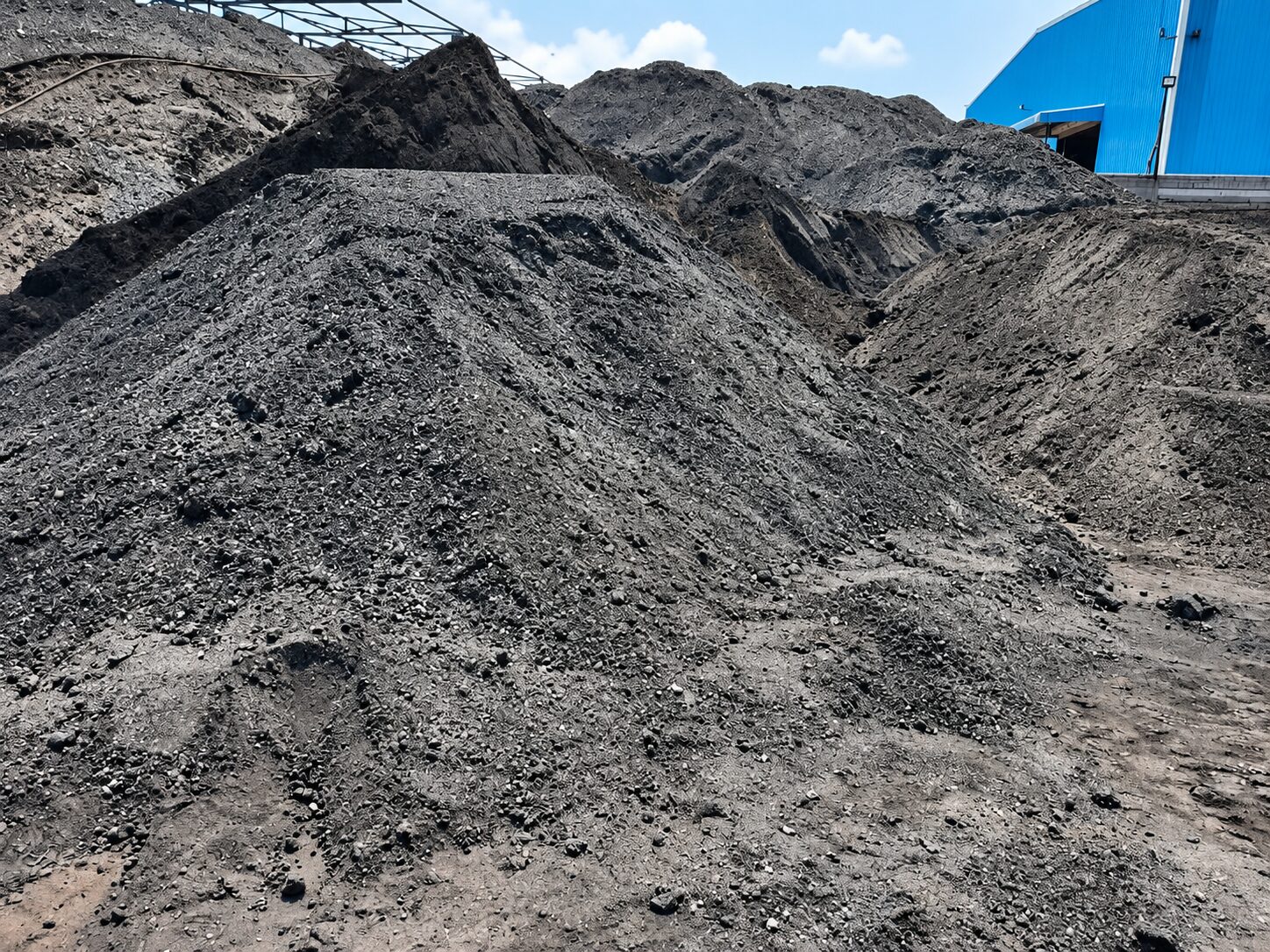
The steel industry generates several by-products during manufacturing, and mill scale is one of the most valuable materials among them. Formed naturally on the surface of steel during hot rolling and other high-temperature processing operations, mill scale contains a significant amount of iron oxides. This high iron content makes it a useful secondary raw material for industries looking to recover valuable resources, reduce waste and improve material efficiency.
As industries increasingly focus on circular resource management and sustainable production, the recovery and reuse of mill scale are gaining greater attention. Instead of treating mill scale simply as industrial waste, manufacturers can utilize its iron-bearing properties in suitable steelmaking and metallurgical applications.
What Is Mill Scale?
Mill scale is a thin layer of iron oxide that forms on the surface of steel when it is heated to high temperatures during processes such as hot rolling. At temperatures typically around 1,100°C, iron reacts with oxygen in the surrounding atmosphere, creating layers of iron oxides.
These oxides mainly include wüstite, magnetite and hematite, with their proportions depending on factors such as processing temperature, cooling conditions and the type of steel being manufactured.
Because mill scale contains a high proportion of iron-bearing material, it can serve as a secondary source of iron for selected industrial applications. Its physical and chemical characteristics also make it suitable for recovery and reuse rather than disposal.
High Iron Content Creates Recovery Opportunities
One of the primary advantages of mill scale is its high iron content. Since it originates directly from steel production, the material contains valuable iron oxides that can potentially be recovered and reused.
For steel and metallurgical industries, this provides an opportunity to supplement primary raw materials with secondary iron-bearing resources. Properly processed and selected mill scale can contribute to more efficient material utilization while reducing dependence on virgin resources.
The actual suitability of mill scale depends on its chemical composition, particle size, moisture level and the requirements of the intended application. Therefore, consistent sourcing and quality evaluation are important when incorporating mill scale into industrial processes.
Supporting Material Recovery
Material recovery is becoming an important part of modern industrial operations. Instead of allowing useful materials generated during manufacturing to become waste, industries are increasingly looking for ways to return them to productive applications.
Mill scale fits well within this approach. Its iron-bearing composition creates an opportunity to recover material that would otherwise require disposal or additional treatment.
Depending on the application and processing requirements, recovered mill scale can be used as a secondary raw material in various metallurgical processes. This helps industries extract greater value from existing material streams and supports more efficient resource utilization.
Reducing Industrial Waste
Large-scale steel manufacturing generates substantial quantities of by-products. Effective management of these materials is essential for reducing industrial waste and improving overall production efficiency.
The reuse of mill scale can help divert an iron-rich material from waste streams and return it to industrial use. This approach can reduce the volume of material requiring disposal while creating opportunities for resource recovery.
For manufacturers, this is particularly relevant as environmental performance and responsible resource management become increasingly important considerations across industrial supply chains.
Applications in Steelmaking
Mill scale has several potential applications in the steel and metallurgical sectors because of its iron oxide content. Depending on its specifications and quality, it can be considered for use in processes where iron-bearing secondary materials are required.
Potential applications include its use as a raw material in selected steelmaking and metallurgical processes, including sintering and other iron recovery applications. The suitability of mill scale depends on factors such as its iron content, chemical impurities, particle size and process requirements.
Reliable material specifications are therefore important for industries that depend on consistent raw material performance.
Promoting Resource Efficiency
Resource efficiency is becoming a major priority for modern manufacturing. Industries are looking beyond traditional raw material consumption and exploring ways to maximize the value obtained from every material entering and leaving a production process.
The reuse of mill scale supports this approach by transforming a steelmaking by-product into a potentially valuable secondary raw material. Rather than viewing the material only as waste, industries can evaluate its recovery potential and identify suitable applications.
This can contribute to a more circular approach to industrial production, where materials are recovered, reused and retained within productive supply chains for as long as possible.
Why Quality and Reliable Sourcing Matter
While mill scale offers significant recovery opportunities, its performance in industrial applications depends heavily on quality and consistency. Variations in iron content, impurities, moisture and particle size can influence how the material performs during processing.
For this reason, industrial buyers require dependable sourcing partners that understand material specifications and supply requirements. Consistent quality helps manufacturers plan their processes more effectively and maintain reliable production standards.
A strong industrial raw material supply chain should therefore focus not only on availability but also on quality, consistency and dependable delivery.
Mill Scale and the Future of Sustainable Manufacturing
As industries continue to adopt more resource-efficient production models, secondary raw materials are expected to play an increasingly important role. Materials such as mill scale demonstrate how industrial by-products can become valuable resources when appropriate recovery and reuse pathways are developed.
For the steel industry, this can mean better utilization of iron-bearing materials, reduced waste generation and improved resource efficiency. For businesses involved in industrial raw material supply, it also creates opportunities to support manufacturers seeking practical solutions for secondary material utilization.
The growing emphasis on circularity and responsible resource management makes mill scale an important material to consider within the broader industrial raw material landscape.
Gimpex Pvt Ltd: Supporting Reliable Industrial Raw Material Supply
At Gimpex Pvt Ltd, we support industries with reliable sourcing and supply solutions for quality industrial raw materials. Our focus is on helping customers access materials that meet their operational requirements while supporting efficient and dependable supply chains.
Mill scale represents an important opportunity to recover value from steelmaking by-products. With its high iron content and potential applications across metallurgical processes, it can contribute to material recovery, waste reduction and improved resource efficiency.
Latest Posts
- Mill Scale: Turning a Steelmaking By-Product into a Valuable Industrial Resource

- 2026 GBFS Market: New Price Benchmarks Signal a More Mature Global Trade

- India’s Steel Production Growth and What It Means for Iron Ore Demand

- Limestone: Supporting India’s Growing Cement and Infrastructure Sector

- Mill Scale: Turning Steelmaking By-Products into Valuable Industrial Resources