2026 GBFS Market: New Price Benchmarks Signal a More Mature Global Trade
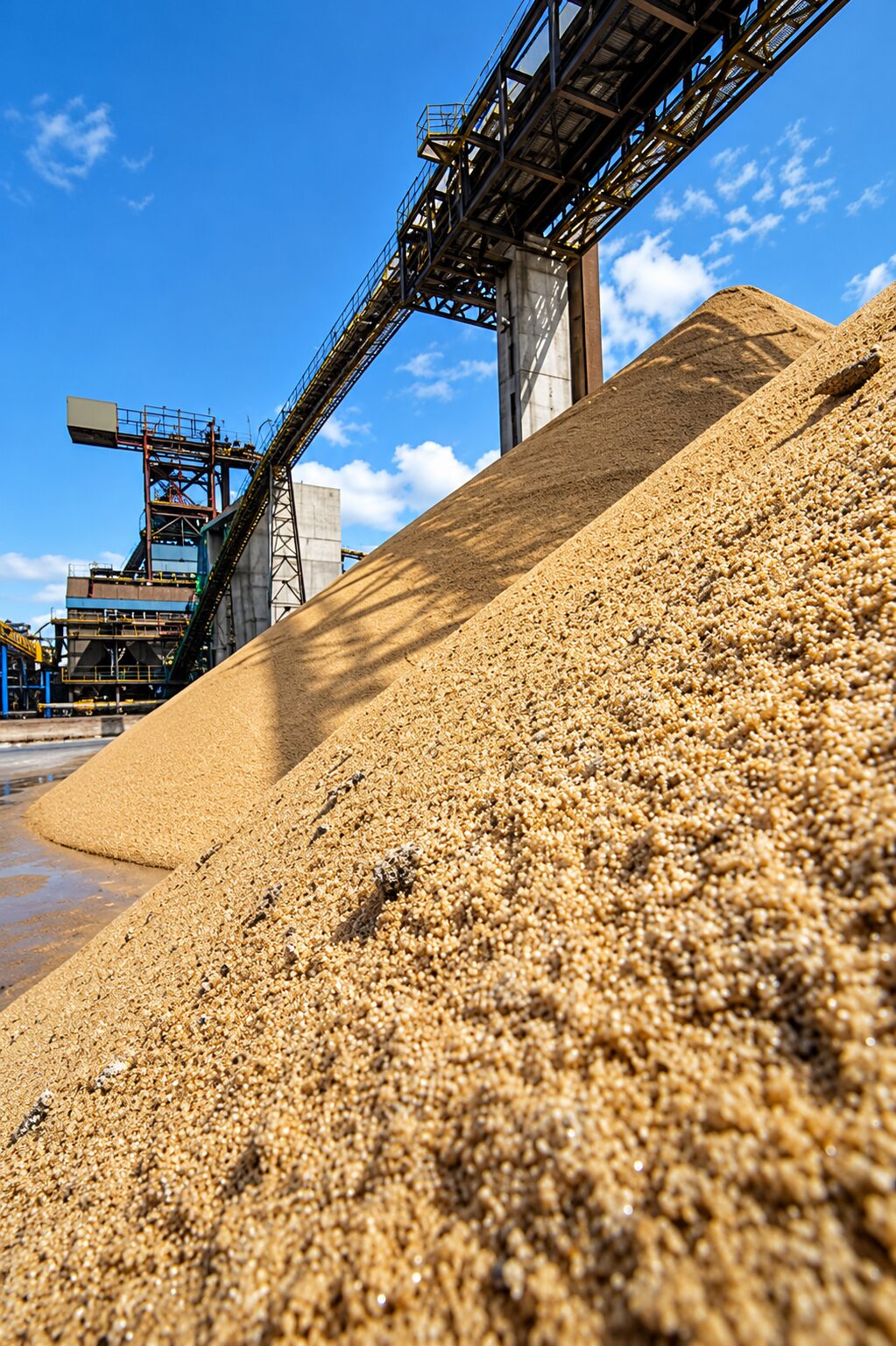
The global market for Granulated Blast Furnace Slag (GBFS) is entering a more structured phase in 2026, supported by growing demand from the cement and construction industries. As infrastructure development expands across major markets, buyers are placing greater emphasis on reliable supply, consistent quality, competitive pricing, and transparent international trade practices.
GBFS is a by-product of iron production that has become an important supplementary cementitious material. Its ability to contribute to durable and lower-carbon cement production has increased its relevance in modern construction. At the same time, emerging price benchmarks are helping international buyers and suppliers better understand market movements and make more informed sourcing decisions.
Growing Importance of GBFS in Global Markets
GBFS is produced when molten iron slag is rapidly cooled and solidified, creating a glassy granular material that can be ground and used in cement and concrete applications. When processed appropriately, it can improve several performance characteristics of cement-based products.
The growing focus on resource efficiency and the reduction of clinker usage has further strengthened the role of GBFS. Cement manufacturers are increasingly looking for supplementary cementitious materials that can support performance while helping optimize production costs and environmental impact.
This combination of industrial demand and sustainability objectives is contributing to stronger international interest in GBFS.
New Price Benchmarks Improve Market Transparency
One of the notable developments in the 2026 GBFS market is the increasing availability of clearer price references and benchmarks. Historically, GBFS pricing could vary significantly depending on origin, quality, grinding requirements, freight costs, destination, and contractual terms.
More transparent benchmarks can help market participants evaluate these differences more effectively. Buyers can compare supply offers against broader market conditions, while suppliers can develop pricing strategies that better reflect production, logistics, and quality factors.
Improved price visibility also supports long-term planning. Cement manufacturers and traders can better assess procurement costs, negotiate supply agreements, and manage exposure to changes in international freight and raw-material markets.
As international trade becomes more data-driven, pricing transparency is likely to remain an important factor in the continued development of the GBFS market.
Rising Demand from Cement and Construction
The cement industry remains one of the most important demand drivers for GBFS. Infrastructure development, urbanization, industrial construction, transportation projects, and commercial development continue to create demand for cement and concrete worldwide.
GBFS can be incorporated into cement systems to enhance durability and contribute to the production of blended cement. Its use can also help reduce dependence on clinker, making it relevant to manufacturers seeking more resource-efficient production models.
Major infrastructure projects such as highways, bridges, ports, metro systems, industrial facilities, and large commercial developments can create sustained demand for cement and related materials. As these projects expand across developing and established markets, demand for supplementary cementitious materials such as GBFS is also expected to remain significant.
Quality and Consistency Become More Important
As the GBFS trade becomes more global, quality consistency is becoming an increasingly important purchasing consideration.
International buyers are not simply looking for available volumes. They are evaluating material characteristics, chemical composition, physical properties, processing requirements, packaging, loading conditions, and supply reliability.
Consistency is particularly important for cement manufacturers because variations in input materials can affect production processes and final product performance. Suppliers that can maintain dependable specifications across shipments can therefore provide greater value to industrial buyers.
Quality assurance, documentation, testing, and proper handling are becoming integral parts of international GBFS sourcing. This shift reflects a broader move from transactional commodity purchasing toward long-term, performance-oriented supply relationships.
Global Supply Opportunities Are Expanding
The international GBFS market is also creating new opportunities for suppliers, traders, and industrial buyers. Regions with established steel production can potentially provide significant quantities of blast furnace slag, while markets with expanding cement production can represent important demand centers.
However, successful international trade depends on more than material availability. Logistics, port infrastructure, freight rates, export requirements, quality specifications, and delivery schedules all influence the commercial viability of GBFS shipments.
For buyers, working with experienced supply partners can simplify sourcing and improve supply-chain visibility. For suppliers, access to international markets can create opportunities to serve customers beyond traditional regional boundaries.
What the 2026 GBFS Market Means for Buyers
The emergence of clearer benchmarks and increasingly structured trade practices gives buyers more tools for making procurement decisions. Instead of evaluating GBFS solely on quoted price, purchasing teams can consider the complete value proposition.
This includes material quality, consistency, origin, shipment size, freight, delivery timelines, technical specifications, documentation, and supplier reliability.
Such an approach can help manufacturers identify supply arrangements that provide predictable performance and long-term commercial value.
The market’s increasing maturity may also encourage more structured contracts and longer-term relationships between GBFS suppliers and cement manufacturers. These relationships can provide greater visibility for both parties and support more efficient planning.
The Role of GBFS in a More Resource-Efficient Cement Industry
Beyond pricing and trade, GBFS continues to have strategic importance because of its role as a supplementary cementitious material. Using suitable industrial by-products in cement production supports a more circular approach to manufacturing.
For cement producers, the ability to incorporate GBFS can provide an opportunity to optimize clinker use while maintaining desired performance characteristics. For the broader steel and construction ecosystem, productive utilization of blast furnace slag represents an important example of industrial resource efficiency.
As industries increasingly evaluate materials through both commercial and sustainability considerations, GBFS is positioned to remain an important component of global cement supply chains.
Looking Ahead: A More Mature GBFS Trade
The 2026 GBFS market reflects a broader transformation in industrial mineral trade. More transparent pricing, stronger quality expectations, growing cement demand, and expanding international supply opportunities are contributing to a more organized marketplace.
For buyers and suppliers, this evolution creates both opportunities and responsibilities. Companies need dependable market information, consistent material quality, efficient logistics, and trusted commercial relationships to participate effectively in the global GBFS trade.
As international demand continues to evolve, GBFS is likely to remain an important material for cement and construction applications. The increasing focus on price benchmarks and supply transparency can help create a more efficient market while supporting long-term industrial demand.
Gimpex Pvt Ltd: Supporting Reliable GBFS Supply
At Gimpex Pvt Ltd, we understand the importance of reliable sourcing and supply for industrial customers. Our approach focuses on supporting evolving requirements through dependable supply solutions, consistent quality, and attention to customer specifications.
As global demand for GBFS continues to develop, reliable supply partnerships can help cement and construction businesses manage procurement requirements more effectively.
Latest Posts
- 2026 GBFS Market: New Price Benchmarks Signal a More Mature Global Trade

- India’s Steel Production Growth and What It Means for Iron Ore Demand

- Limestone: Supporting India’s Growing Cement and Infrastructure Sector

- Mill Scale: Turning Steelmaking By-Products into Valuable Industrial Resources

- India’s Quartz Processing Sector: Growing Demand, Applications and Opportunities