Industrial Mineral Market Outlook 2026: Key Trends Across Global Industries
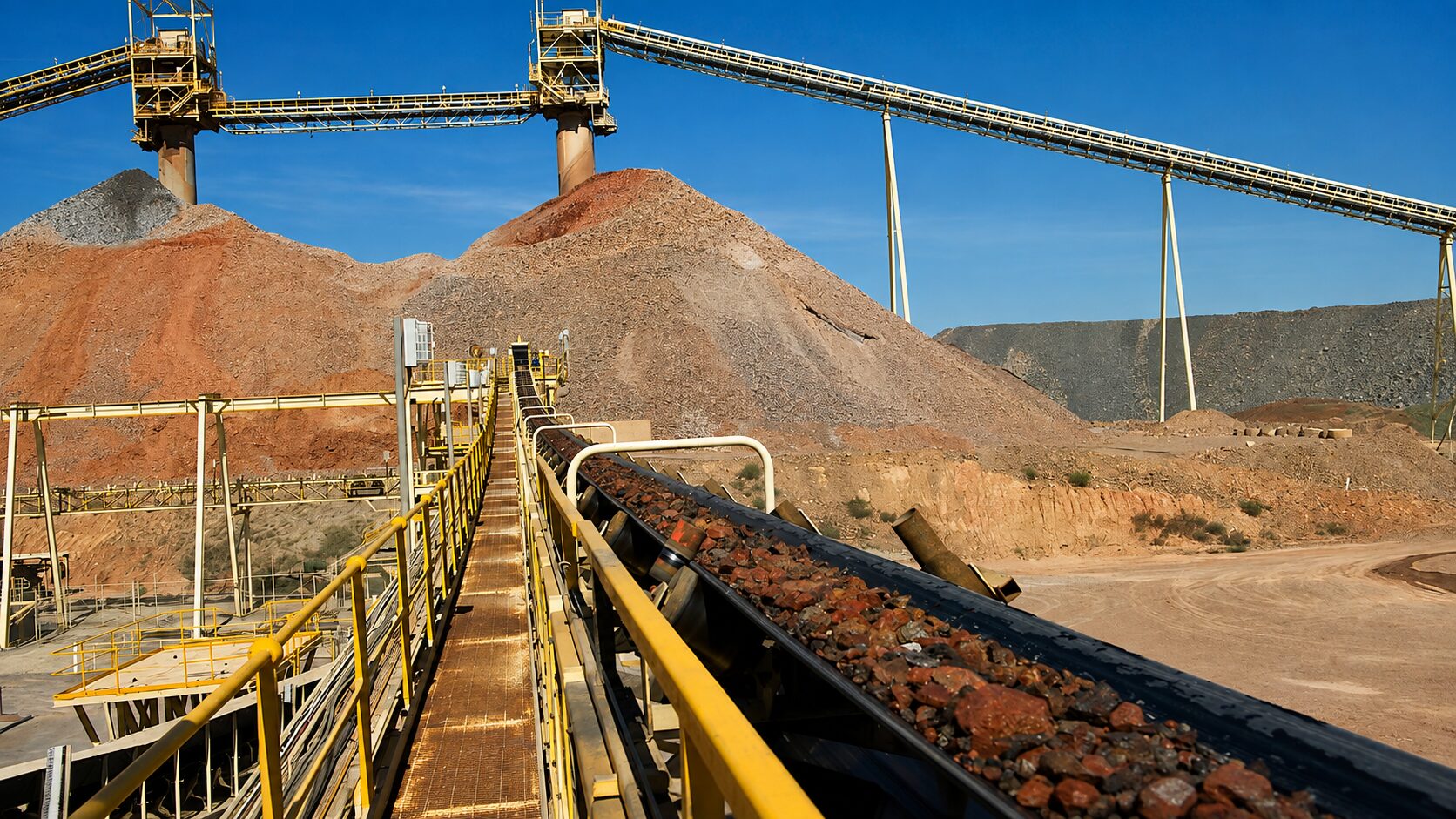
Industrial minerals form the backbone of modern manufacturing and infrastructure development. From steel production and ceramics to glass manufacturing and aluminium processing, these minerals play an indispensable role in ensuring quality, efficiency, and operational performance.
As industries worldwide continue to expand, 2026 is expected to witness strong demand for industrial minerals, driven by infrastructure investments, manufacturing growth, technological advancements, and increasing global trade. Businesses are focusing not only on securing high-quality raw materials but also on partnering with suppliers capable of delivering consistent quality and dependable logistics.
This evolving landscape presents significant opportunities for companies involved in industrial mineral sourcing, processing, and distribution.
Infrastructure Development Continues to Fuel Mineral Demand
Infrastructure remains one of the largest drivers of industrial mineral consumption across the globe. Governments and private developers continue investing heavily in transportation networks, urban development, industrial parks, renewable energy projects, and commercial construction.
Several industrial minerals are experiencing increased demand due to these developments:
Limestone
Limestone remains essential for:
- Steel manufacturing as a flux
- Cement production
- Construction materials
- Environmental applications
Its versatility makes it one of the most widely consumed industrial minerals worldwide.
Quartz
Quartz continues to be a critical raw material for:
- Glass manufacturing
- Engineered stone
- Electronics
- Ceramics
- Foundry applications
Growing construction activities and increasing demand for high-quality glass products continue to strengthen quartz consumption.
Feldspar
Feldspar remains indispensable for:
- Ceramic tiles
- Sanitary ware
- Glass production
- Tableware manufacturing
The expansion of residential and commercial construction projects globally continues to support healthy feldspar demand.
Steel and Foundry Industries Strengthen Bentonite Consumption
The steel industry continues to be a major consumer of industrial minerals, particularly bentonite.
As steel production increases to meet the growing needs of automotive, infrastructure, engineering, and machinery sectors, manufacturers require reliable materials that improve production efficiency and product quality.
Bentonite in Iron Ore Pelletizing
Bentonite serves as an effective binder during iron ore pellet production by:
- Improving pellet strength
- Enhancing handling characteristics
- Increasing production efficiency
- Reducing material losses
These advantages make high-quality bentonite an essential input for modern steel manufacturing.
Bentonite in Foundry Applications
Foundries also depend on bentonite for moulding sand preparation because it offers:
- Excellent bonding properties
- Improved mould stability
- Better casting accuracy
- Enhanced surface finish
As precision manufacturing continues to evolve, demand for premium-grade bentonite is expected to remain strong throughout 2026.
Aluminium Production Supports Stable Bauxite Demand
Aluminium continues to be one of the fastest-growing industrial metals globally due to its lightweight nature, corrosion resistance, and versatility.
Industries driving aluminium demand include:
- Automotive
- Aerospace
- Construction
- Electrical equipment
- Packaging
- Renewable energy
Since bauxite is the primary ore used for aluminium production, increased aluminium manufacturing directly contributes to sustained demand for high-quality bauxite.
Many aluminium producers are seeking reliable long-term suppliers capable of delivering consistent-grade bauxite that supports uninterrupted refining operations and production efficiency.
Manufacturing Industries Prioritize Supply Chain Reliability
In today’s competitive industrial environment, sourcing decisions extend beyond price alone.
Manufacturers increasingly evaluate suppliers based on several critical factors:
- Consistent product quality
- Reliable global logistics
- Timely deliveries
- Technical expertise
- Long-term supply capability
- Quality assurance processes
Supply chain resilience has become a strategic priority for manufacturers aiming to minimize operational disruptions and maintain continuous production.
Companies that can consistently deliver industrial minerals meeting stringent quality standards are well-positioned to support global industries effectively.
Growing Importance of Quality and Consistency
Industrial minerals directly influence manufacturing performance.
Variations in mineral composition, particle size, purity, or moisture content can affect production efficiency and final product quality.
For this reason, manufacturers increasingly prefer suppliers that emphasize:
- Rigorous quality control
- Reliable sourcing
- Consistent specifications
- Efficient logistics
- Strong customer support
Long-term supplier relationships help manufacturers optimize production while reducing operational risks associated with inconsistent raw materials.
Global Trade Creates New Opportunities
International trade continues to play a vital role in connecting mineral producers with manufacturers worldwide.
Growing industrialization across Asia, the Middle East, Europe, and emerging markets has increased the movement of industrial minerals across borders.
As demand expands, exporters capable of maintaining:
- Reliable shipping schedules
- Strong logistics networks
- Consistent documentation
- Quality compliance
- Customer-focused service
will continue to enjoy a competitive advantage in global markets.
This trend highlights the increasing importance of experienced mineral trading companies that understand international supply chains and evolving customer requirements.
The Road Ahead for Industrial Minerals in 2026
The outlook for industrial minerals remains positive across multiple industries.
Infrastructure expansion, increased steel production, steady aluminium demand, and continued manufacturing growth are expected to sustain global consumption of essential minerals such as limestone, quartz, feldspar, bentonite, and bauxite.
Businesses are placing greater emphasis on supplier reliability, product consistency, and dependable delivery to ensure uninterrupted operations and maintain production efficiency.
As industries continue to evolve, industrial minerals will remain fundamental to supporting economic growth and industrial development worldwide.
Gimpex Pvt. Ltd.: Supporting Global Industries with Reliable Mineral Solutions
With decades of expertise in industrial mineral trading and supply, Gimpex Pvt. Ltd. continues to serve manufacturers across global markets with high-quality mineral solutions tailored to diverse industrial applications.
Its comprehensive portfolio includes bauxite, bentonite, quartz, feldspar, limestone, coal, mill scale, barite, zinc ash, zinc dust, and other industrial minerals, supporting sectors such as steel, ceramics, glass, foundry, aluminium, and infrastructure.
By combining consistent quality, dependable logistics, and a customer-centric approach, Gimpex Pvt. Ltd. remains a trusted partner for industries seeking reliable mineral sourcing to enhance productivity and operational efficiency.
As global demand continues to grow in 2026 and beyond, Gimpex Pvt. Ltd. is well-positioned to help businesses meet evolving industrial requirements with confidence and reliability.
Latest Posts
- 2026 GBFS Market: New Price Benchmarks Signal a More Mature Global Trade

- India’s Steel Production Growth and What It Means for Iron Ore Demand
- Limestone: Supporting India’s Growing Cement and Infrastructure Sector
- Mill Scale: Turning Steelmaking By-Products into Valuable Industrial Resources
- India’s Quartz Processing Sector: Growing Demand, Applications and Opportunities