Mill Scale: A Valuable Raw Material in Modern Steel Manufacturing
Introduction
The global steel industry continues to evolve with an increasing focus on operational efficiency, resource optimization, and consistent production quality. While many consider mill scale a byproduct of steel manufacturing, it has become an important secondary raw material that supports several stages of modern steel production.
Rich in iron oxides, mill scale offers significant value when processed and reused in steelmaking operations. Its ability to recover iron content while improving manufacturing efficiency makes it an essential material for steel producers worldwide.
What is Mill Scale?
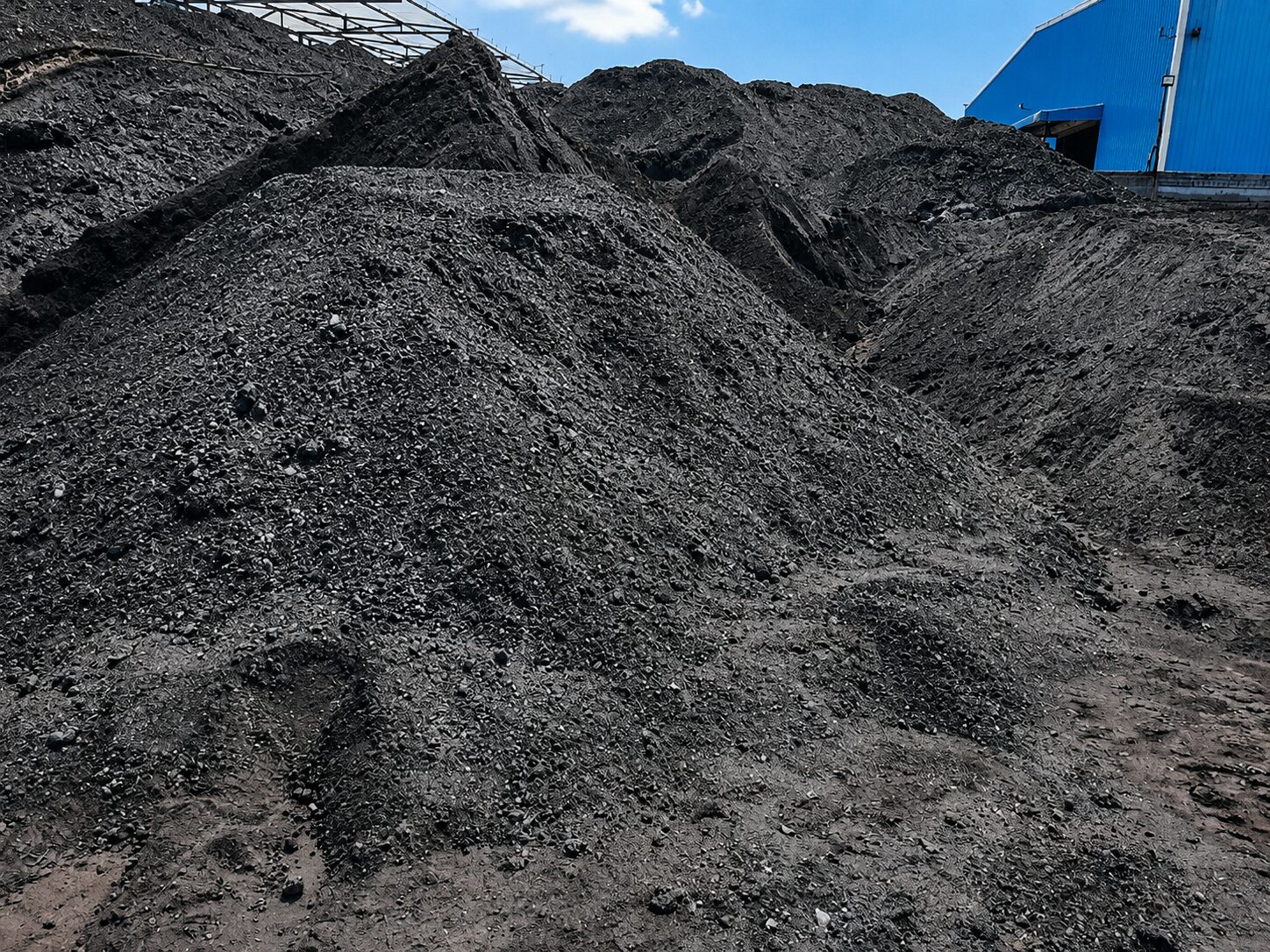
Mill scale is a layer of iron oxides that forms on the surface of steel during hot rolling, forging, and continuous casting operations. It primarily consists of:
- Iron Oxide (FeO)
- Magnetite (Fe₃O₄)
- Hematite (Fe₂O₃)
With an iron content that typically exceeds 68–72%, mill scale serves as an excellent source of recoverable iron for various metallurgical applications.
Rather than being treated as waste, mill scale is increasingly recognized as a valuable industrial raw material that contributes to efficient steel production.
Applications of Mill Scale in Steel Manufacturing
1. Sintering Process
Mill scale is widely used as an iron-bearing feed material in sinter plants. Its high iron content improves the quality of the sinter mix, enabling better furnace performance and supporting efficient iron production.
2. Pelletizing
Steel manufacturers incorporate mill scale into iron ore pellets to increase iron concentration and improve pellet quality. This helps produce stronger pellets that perform efficiently during reduction processes.
3. Electric Arc Furnace (EAF) Operations
Mill scale is used in Electric Arc Furnaces as a supplementary iron source. It contributes to the metallic charge, supporting efficient steelmaking while optimizing raw material utilization.
4. Blast Furnace Operations
In selected applications, mill scale is blended with other iron-bearing materials to support blast furnace productivity and maintain consistent feed quality.
Benefits of Using High-Quality Mill Scale
Choosing premium-grade mill scale offers several operational advantages:
- High iron oxide content for improved metal recovery
- Consistent chemical composition
- Better process efficiency in steelmaking
- Reliable performance in sintering and pelletizing
- Reduced dependence on primary iron-bearing materials
- Improved resource utilization across manufacturing operations
- Stable and predictable production performance
The Importance of Quality in Mill Scale Supply
The effectiveness of mill scale depends largely on its quality and consistency. Variations in iron content, moisture, particle size, or impurities can directly impact production efficiency.
Steel manufacturers therefore require suppliers who can consistently deliver material that meets industry specifications while ensuring dependable logistics and timely deliveries.
Reliable sourcing minimizes operational disruptions and supports uninterrupted manufacturing processes.
Gimpex Pvt. Ltd.: Your Trusted Mill Scale Partner
At Gimpex Pvt. Ltd., we understand the critical role that quality raw materials play in modern steel manufacturing.
With decades of expertise in industrial mineral trading, we supply high-quality mill scale backed by:
- Reliable sourcing
- Consistent material quality
- Efficient supply chain management
- Timely and dependable deliveries
- Customer-focused service
Our commitment is to help steel manufacturers maintain operational efficiency while meeting evolving industry requirements.
Supporting the Future of Steel Manufacturing
As steel production continues to advance, manufacturers are increasingly focused on maximizing resource utilization, improving process performance, and maintaining consistent product quality.
Mill scale has emerged as an important iron-bearing raw material that contributes to these objectives. Its versatility across sintering, pelletizing, and steelmaking processes makes it a valuable component in modern metallurgical operations.
By partnering with trusted suppliers, steel manufacturers can ensure a reliable supply of quality mill scale that supports efficient production and long-term operational success.
Conclusion
Mill scale is no longer viewed simply as a byproduct—it is a valuable industrial resource that enhances efficiency across modern steel manufacturing.
Its high iron content, broad application in metallurgical processes, and contribution to optimized production make it an indispensable raw material for today’s steel industry.
At Gimpex Pvt. Ltd., we remain committed to delivering premium-quality mill scale that helps manufacturers achieve consistent performance, reliable operations, and sustainable growth in an increasingly competitive market.
Latest Posts
- 2026 GBFS Market: New Price Benchmarks Signal a More Mature Global Trade
- India’s Steel Production Growth and What It Means for Iron Ore Demand
- Limestone: Supporting India’s Growing Cement and Infrastructure Sector
- Mill Scale: Turning Steelmaking By-Products into Valuable Industrial Resources
- India’s Quartz Processing Sector: Growing Demand, Applications and Opportunities