Unlocking Value from Zinc Ash in Steel Manufacturing
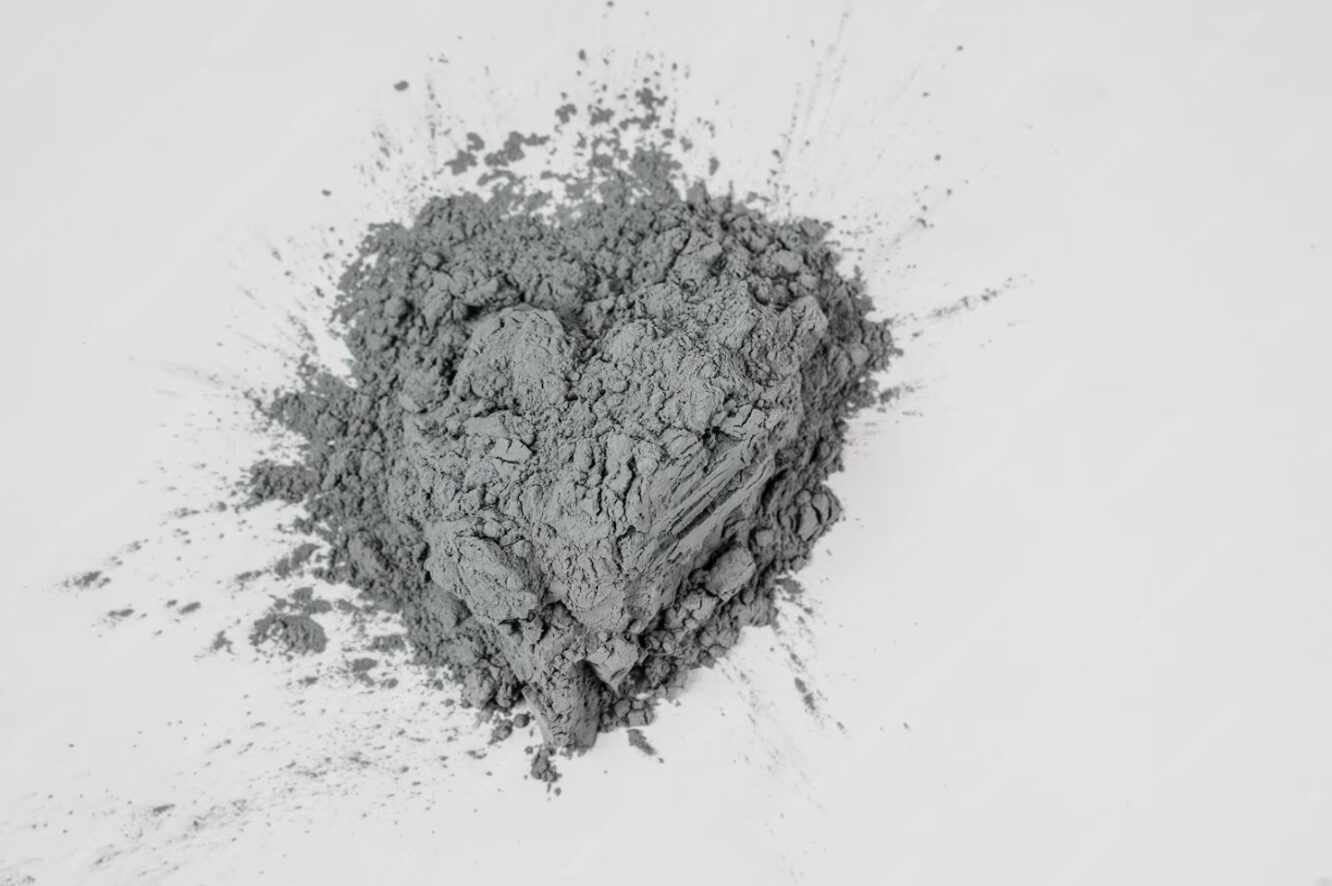
In today’s rapidly evolving steel industry, manufacturers are under increasing pressure to balance operational efficiency with sustainability. Rising raw material costs, stricter environmental regulations, and the need for resilient supply chains are pushing companies to rethink how they utilize resources. One material that is gaining significant strategic importance in this transformation is zinc ash—a byproduct of the galvanizing process that is now being redefined as a valuable industrial resource.
From Byproduct to Valuable Resource
Zinc ash is generated during the hot-dip galvanizing process, where steel is coated with molten zinc to protect it from corrosion. Traditionally, this material was often treated as waste or handled with limited recovery efforts. However, with advancements in processing technologies and a growing emphasis on circular manufacturing, zinc ash is now being recognized for its high zinc content and reuse potential.
Instead of discarding it, industries are increasingly processing zinc ash to recover zinc metal and other usable compounds. This shift is not just about waste reduction—it’s about unlocking economic value and enhancing operational efficiency.
Driving Cost Efficiency
One of the most compelling advantages of utilizing zinc ash is its ability to significantly reduce raw material costs. By recovering zinc from ash and reintroducing it into production cycles, manufacturers can cut down their dependence on primary zinc sources.
In many cases, companies have reported cost savings of up to 20–30%. This reduction directly impacts the bottom line, especially in large-scale steel and galvanizing operations where zinc consumption is substantial. As global metal prices fluctuate, having access to secondary sources like zinc ash provides a valuable buffer against market volatility.
Strengthening Supply Chain Resilience
Supply chain disruptions have become a major concern for industries worldwide. Relying solely on mined or imported raw materials can expose manufacturers to risks such as price instability, geopolitical issues, and logistical challenges.
Zinc ash offers a practical solution by acting as a locally available secondary resource. By integrating zinc recovery processes into their operations, companies can reduce their reliance on external suppliers and create a more stable and self-sufficient supply chain. This resilience is especially crucial in today’s uncertain economic environment.
Supporting Sustainable Manufacturing
Sustainability is no longer optional—it is a core business priority. Utilizing zinc ash aligns perfectly with the principles of a circular economy, where waste is minimized, and resources are continuously reused.
Recycling zinc ash reduces the need for mining new zinc ore, which in turn lowers energy consumption, greenhouse gas emissions, and environmental degradation. Additionally, it helps industries comply with environmental regulations and improve their overall sustainability metrics.
By transforming what was once considered waste into a reusable input, manufacturers can significantly reduce their environmental footprint while maintaining high production standards.
Expanding Industrial Applications
Beyond steel manufacturing and galvanizing, zinc ash has diverse applications across multiple industries. It is widely used in:
- Zinc recovery processes for metal reuse
- Chemical production, including zinc oxide and other compounds
- Alloy manufacturing and metallurgical operations
These applications further enhance its value, making zinc ash a versatile material that contributes to both economic and industrial growth.
The Role of Reliable Sourcing and Quality
While the benefits of zinc ash are clear, unlocking its full potential depends on consistent quality and reliable sourcing. Variations in composition can impact recovery efficiency and end-product quality, making it essential to work with trusted suppliers.
This is where Gimpex Pvt Ltd plays a crucial role. With a strong focus on quality assurance, efficient logistics, and dependable sourcing, Gimpex ensures that industries receive zinc ash that meets stringent performance standards.
Their expertise in alternative raw materials helps manufacturers seamlessly integrate zinc ash into their operations, maximizing both economic and environmental benefits.
A Competitive Advantage for the Future
As the steel industry continues to evolve, the importance of resource optimization and sustainability will only grow. Zinc ash represents a powerful opportunity to achieve both. By reducing costs, enhancing supply chain stability, and supporting eco-friendly practices, it is no longer just a byproduct—it is a strategic asset.
Forward-thinking companies are already leveraging zinc ash to gain a competitive edge. Those who adopt this approach early will be better positioned to navigate future challenges and capitalize on emerging opportunities.
Conclusion
The transformation of zinc ash from waste to resource is a testament to the steel industry’s commitment to innovation and sustainability. By embracing its potential, manufacturers can unlock significant value while contributing to a more responsible and efficient industrial ecosystem.
Latest Posts
- 2026 GBFS Market: New Price Benchmarks Signal a More Mature Global Trade
- India’s Steel Production Growth and What It Means for Iron Ore Demand
- Limestone: Supporting India’s Growing Cement and Infrastructure Sector
- Mill Scale: Turning Steelmaking By-Products into Valuable Industrial Resources
- India’s Quartz Processing Sector: Growing Demand, Applications and Opportunities