
Zinc Byproducts Market Outlook 2026: The Expanding Role of Secondary Zinc Materials
Introduction
The growing demand for sustainable industrial practices and efficient resource utilization is creating new opportunities in the secondary zinc market. As industries focus on reducing raw material consumption and minimizing waste, zinc-bearing byproducts such as zinc ash and zinc dross are gaining importance in metal recovery and recycling.
In 2026, the secondary zinc materials market is expected to remain an important part of the global zinc industry. These materials provide opportunities to recover valuable zinc from industrial processes, reduce material wastage and support the circular economy. With increasing attention to recycling and responsible resource management, zinc byproducts are becoming valuable inputs for secondary zinc producers.
Growing Demand for Secondary Zinc Materials in 2026
Zinc is widely used in galvanizing, die casting, alloys, chemicals and other industrial applications. However, zinc processing and galvanizing operations also generate byproducts containing recoverable zinc.
Instead of treating these materials as industrial waste, manufacturers are increasingly exploring ways to recover and reuse their zinc content. This shift is supporting demand for secondary zinc materials across different industrial sectors.
The growing emphasis on resource efficiency, fluctuating raw material costs and sustainability goals is encouraging industries to consider recycled zinc as an alternative source of metal. As a result, zinc-bearing byproducts are gaining attention in the global recycling and metal recovery industry.
Understanding Zinc Ash and Zinc Dross
Zinc ash and zinc dross are two important byproducts generated during zinc processing and hot-dip galvanizing operations. Both contain recoverable zinc, making them valuable materials for secondary zinc production.
Zinc Ash
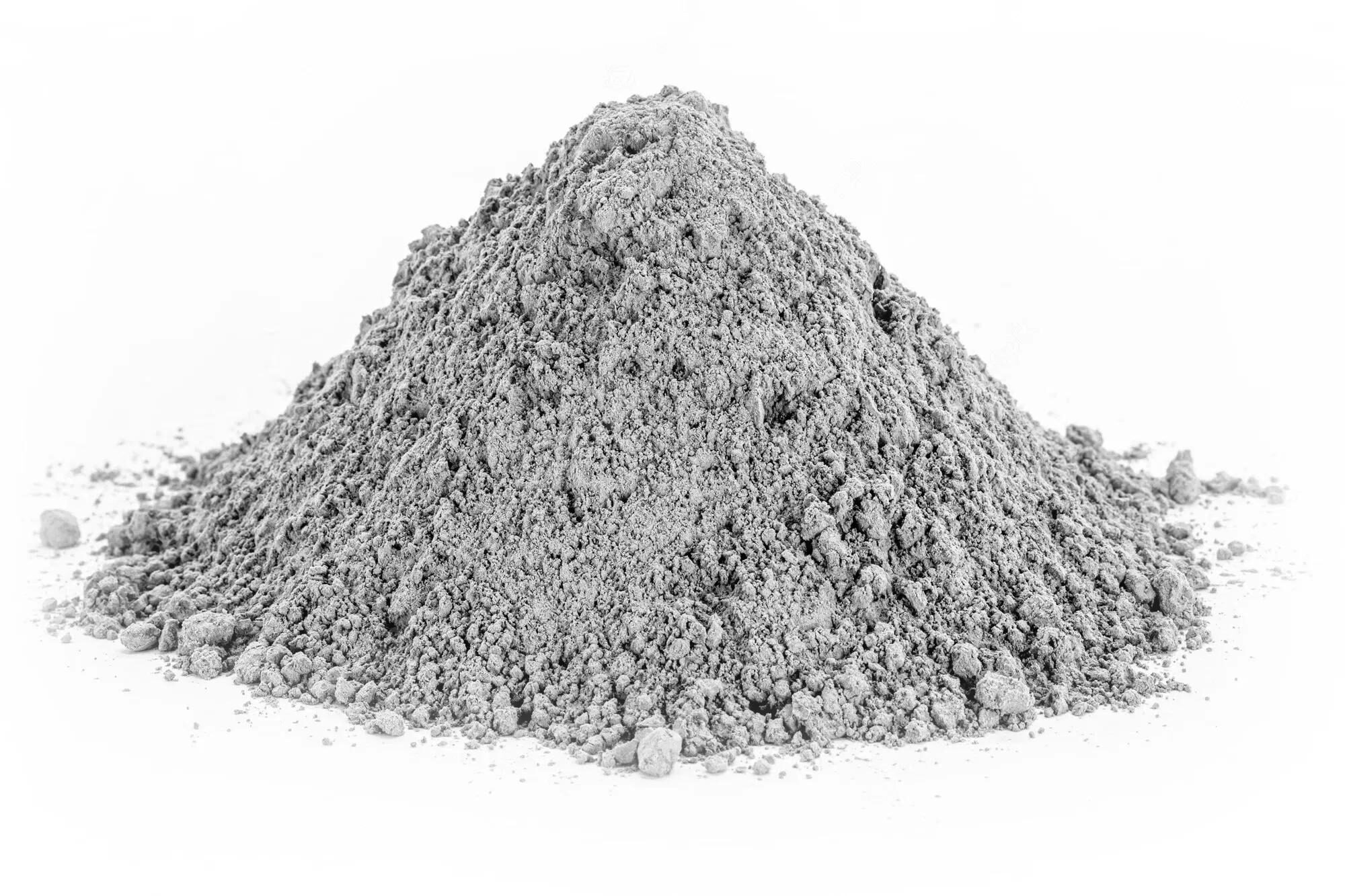
Zinc ash is generated when molten zinc reacts with oxygen during galvanizing and other zinc-processing activities. It contains zinc in different forms, including metallic zinc and zinc oxide. Through suitable processing and recovery methods, valuable zinc can be extracted and reused in industrial applications.
Zinc Dross
Zinc dross forms during hot-dip galvanizing when impurities and iron react with molten zinc. It generally contains zinc along with iron and other compounds. Depending on its composition and grade, zinc dross can be processed to recover zinc for further industrial use.
Both materials play an important role in improving zinc recovery rates and reducing the loss of valuable metal during industrial operations.
Key Factors Driving the Zinc Byproducts Market
1. Increasing Focus on Zinc Recycling
Recycling is becoming an important strategy for industries looking to improve resource efficiency. Zinc-bearing byproducts provide an opportunity to recover valuable metal that would otherwise be lost during manufacturing.
The recovery of zinc from ash and dross helps reduce industrial waste while supporting the availability of secondary zinc materials for manufacturers.
2. Rising Demand for Resource Efficiency
Industrial manufacturers are increasingly focusing on optimizing raw material consumption and improving production efficiency. Recovering zinc from industrial byproducts helps businesses make better use of available resources.
This approach can also reduce dependence on primary zinc resources and support more efficient material management.
3. Industrial Sustainability Initiatives
Sustainability has become an important consideration across the metal and manufacturing industries. Companies are exploring recycling solutions that reduce waste generation and improve material utilization.
Secondary zinc recovery supports these objectives by converting zinc-bearing industrial residues into useful raw materials.
4. Importance of Consistent Material Quality
The quality and composition of zinc byproducts directly influence their suitability for recovery processes. Variations in zinc content, iron levels, moisture and impurities can affect processing efficiency.
Therefore, consistent material quality, proper segregation and reliable sourcing are important for secondary zinc manufacturers. Suppliers who maintain quality standards help buyers achieve better operational consistency.
Applications and Opportunities for Secondary Zinc Materials
Secondary zinc materials support several industrial recovery and recycling activities. Zinc recovered from ash and dross can be used in different applications depending on its purity and processing method.
These include secondary zinc production, zinc oxide manufacturing, zinc-based chemical production and other metal recovery operations.
As recycling technologies continue to improve, industries may identify additional opportunities to recover zinc from different industrial residues. This creates potential for stronger cooperation between byproduct generators, recyclers and secondary zinc manufacturers.
Challenges in the Zinc Byproducts Industry
Despite the growing opportunities, the zinc byproducts market faces certain challenges.
The composition of zinc ash and dross can vary depending on the manufacturing process and operating conditions. This variation makes material testing and quality assessment essential before processing.
Transportation, storage and proper handling are also important considerations. Businesses need dependable supply chains to ensure the timely availability of suitable materials.
Additionally, efficient recovery requires appropriate processing technology and careful management of impurities. Addressing these challenges will help improve recycling efficiency and strengthen the secondary zinc value chain.
The Role of Zinc Byproducts in the Circular Economy
The circular economy focuses on keeping valuable materials in use for as long as possible while minimizing waste. Zinc recycling directly supports this approach by recovering metal from industrial residues and returning it to the manufacturing cycle.
Zinc ash and zinc dross demonstrate how industrial byproducts can become valuable resources when supported by effective recovery systems.
By improving collection, segregation, processing and material utilization, the zinc industry can reduce resource losses and promote more responsible production practices.
In 2026, the growing importance of circular manufacturing is expected to create further opportunities for businesses involved in zinc recovery and secondary metal supply.
Gimpex Pvt Ltd: Supporting the Secondary Zinc Supply Chain
Reliable sourcing and consistent material quality are essential for businesses involved in zinc recovery and recycling. Gimpex Pvt Ltd focuses on supplying quality industrial minerals and metal-bearing materials to support various industrial requirements.
Through dependable sourcing and supply practices, Gimpex aims to support businesses seeking zinc-bearing byproducts such as zinc ash and zinc dross for secondary zinc recovery.
With a focus on quality, reliability and timely delivery, Gimpex Pvt Ltd contributes to a more efficient industrial supply chain and supports the growing importance of resource utilization in the metal recycling sector.
Conclusion
The zinc byproducts market is gaining importance as industries increasingly prioritize recycling, resource efficiency and sustainable manufacturing. Zinc ash and zinc dross offer valuable opportunities for recovering zinc and improving industrial material utilization.
Latest Posts
- Zinc Byproducts Market Outlook 2026: The Expanding Role of Secondary Zinc Materials

- Ferrosilicon in 2026: Driving Steelmaking, Foundry Applications and Industrial Growth

- Global Stainless Steel Industry Growth: Creating New Opportunities for Ferrochrome
- Silico Manganese Market Growth: Rising Steel Production and Infrastructure Demand
- Ferro Manganese in Modern Steel Manufacturing: Enhancing Strength, Toughness and Durability