Why Zinc Still Dominates Anti-Corrosion Coatings in 2026
In today’s rapidly evolving industrial landscape, advanced materials and innovative coating technologies continue to emerge across sectors. Yet despite these developments, zinc remains the undisputed leader in anti-corrosion protection for steel structures worldwide. From heavy infrastructure and automotive manufacturing to marine and energy applications, zinc-based coatings continue to deliver unmatched reliability, durability, and long-term value.
The reason behind zinc’s continued dominance is simple but powerful: sacrificial protection.
Unlike ordinary protective coatings that function only as a physical barrier between steel and the environment, zinc offers active electrochemical protection. When steel coated with zinc is exposed to moisture or corrosive conditions, the zinc corrodes first, sacrificing itself to protect the underlying steel. Even if the coating is scratched, chipped, or damaged, zinc continues to shield the exposed steel surface from rust formation.
This unique behavior makes zinc far more than just a coating material—it becomes a continuous defense system for steel assets.
The Science Behind Zinc Protection
Corrosion occurs when steel reacts with oxygen and moisture, leading to rust formation and structural degradation. Zinc works differently because it is more electrochemically active than steel. This means zinc naturally corrodes before steel does, preventing damage to the base metal.
This sacrificial mechanism is especially valuable in harsh operating environments where coatings can experience wear, abrasion, or accidental damage. While conventional coatings may fail once the barrier is broken, zinc continues protecting exposed areas through galvanic action.
This reliability is why galvanized steel and zinc-rich coatings remain trusted solutions across industries that demand long service life and minimal maintenance.
Why Industries Continue Choosing Zinc in 2026
As industries increasingly prioritize asset longevity, operational efficiency, and sustainability, zinc-based anti-corrosion systems continue to outperform many alternatives.
Proven Performance in Harsh Environments
Zinc coatings have demonstrated decades of successful performance in coastal regions, industrial zones, chemical plants, marine environments, and high-humidity conditions. Their ability to withstand aggressive exposure makes them ideal for critical infrastructure and industrial assets.
Extended Lifecycle of Steel Structures
Steel structures protected with zinc coatings typically achieve significantly longer service life compared to unprotected steel. This reduces the frequency of repairs, replacements, and shutdowns, ultimately lowering lifecycle costs for businesses.
Cost-Effective Corrosion Control
Corrosion-related failures can result in major financial losses due to maintenance, downtime, and structural damage. Zinc coatings provide one of the most economical long-term solutions by reducing maintenance requirements and preserving structural integrity over time.
Sustainability and Recyclability
Sustainability has become a major focus across manufacturing and construction sectors in 2026. Zinc aligns strongly with these goals because it is recyclable and supports longer-lasting infrastructure, reducing material waste and resource consumption.
Its role in extending the lifespan of steel also contributes to lower environmental impact by minimizing the need for premature replacement and repeated manufacturing processes.
Zinc’s Role Across Key Industries
Infrastructure and Construction
Bridges, transmission towers, rail infrastructure, airports, and commercial buildings rely heavily on galvanized steel for long-term corrosion resistance. Zinc coatings help infrastructure assets withstand decades of environmental exposure.
Automotive Industry
The automotive sector continues to depend on zinc-coated steel to improve vehicle durability and prevent rust-related damage. Zinc protection is essential for extending vehicle lifespan and maintaining structural safety.
Energy and Power Sector
Power plants, renewable energy installations, pipelines, and industrial equipment require dependable corrosion protection due to continuous exposure to moisture, chemicals, and fluctuating temperatures. Zinc coatings provide critical reliability in these demanding applications.
Marine and Offshore Applications
Marine environments are among the most corrosive conditions for steel. Zinc-rich coatings remain a preferred solution for ships, ports, offshore platforms, and coastal infrastructure because of their superior protective performance.
The Continued Importance of Zinc Raw Materials
As global demand for anti-corrosion coatings continues to rise, the importance of high-quality zinc raw materials becomes even more significant. Coating manufacturers depend on consistent and reliable zinc products to ensure optimal performance in galvanizing and zinc-rich coating formulations.
At Gimpex Pvt Ltd, we play a vital role in supporting this industrial value chain through the supply of premium-quality zinc products, including:
- Zinc Dust
- Zinc Ash
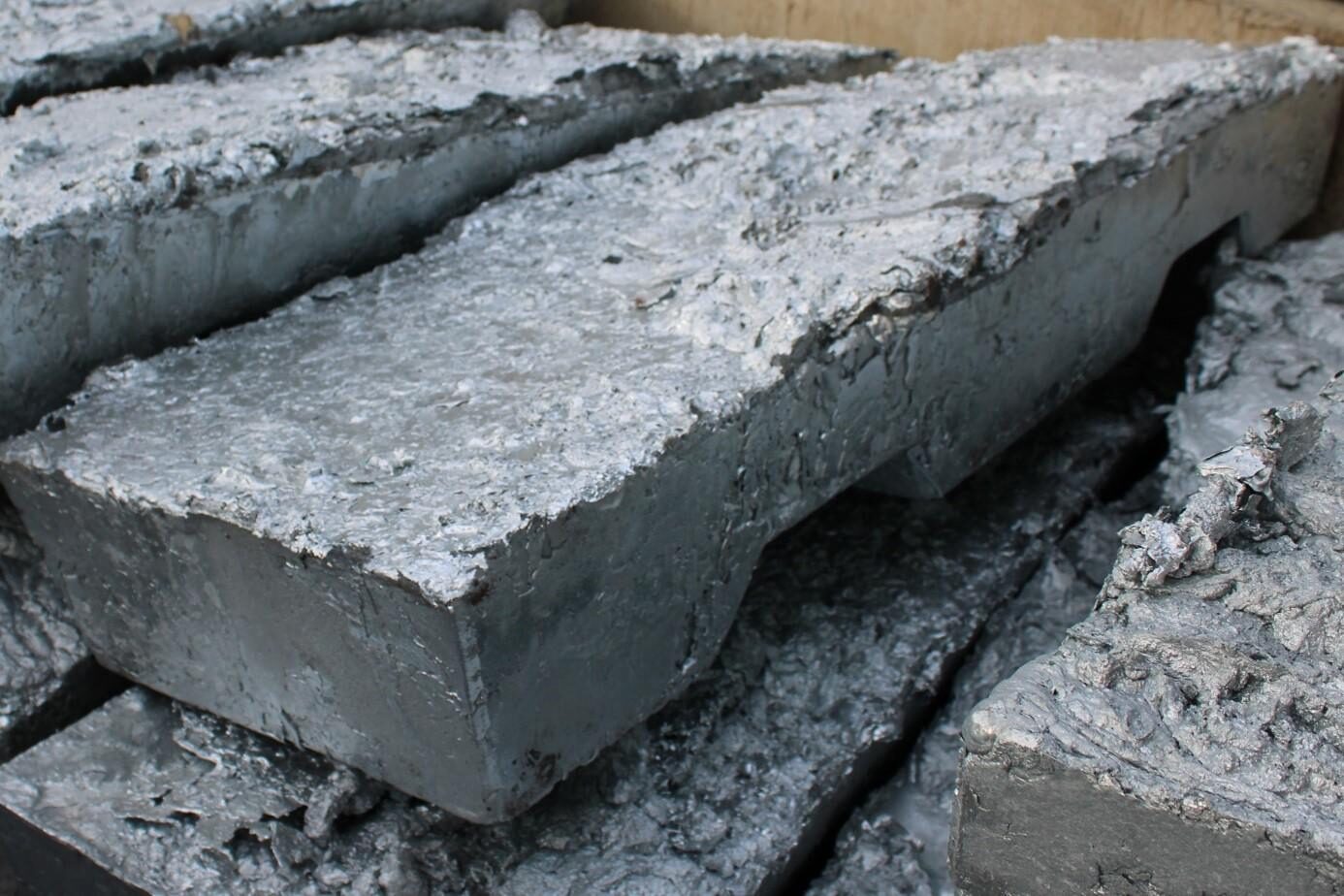
- Zinc Dross
These materials are widely used across coating, galvanizing, and industrial manufacturing applications, helping customers achieve dependable corrosion protection and consistent production quality.
Zinc Remains Essential in 2026
Despite the emergence of advanced coating technologies, zinc continues to prove its unmatched value through durability, cost-efficiency, and active corrosion protection. Its ability to safeguard steel even after physical damage sets it apart from traditional barrier coatings.
In an industrial world focused on resilience, sustainability, and long-term performance, zinc is not simply maintaining relevance—it remains essential.
As industries continue building for the future, zinc-based coatings will remain the backbone of global anti-corrosion strategies for years to come.
Latest Posts
- 2026 GBFS Market: New Price Benchmarks Signal a More Mature Global Trade

- India’s Steel Production Growth and What It Means for Iron Ore Demand

- Limestone: Supporting India’s Growing Cement and Infrastructure Sector

- Mill Scale: Turning Steelmaking By-Products into Valuable Industrial Resources

- India’s Quartz Processing Sector: Growing Demand, Applications and Opportunities