
Indian Feldspar in Global Markets: Emerging Opportunities
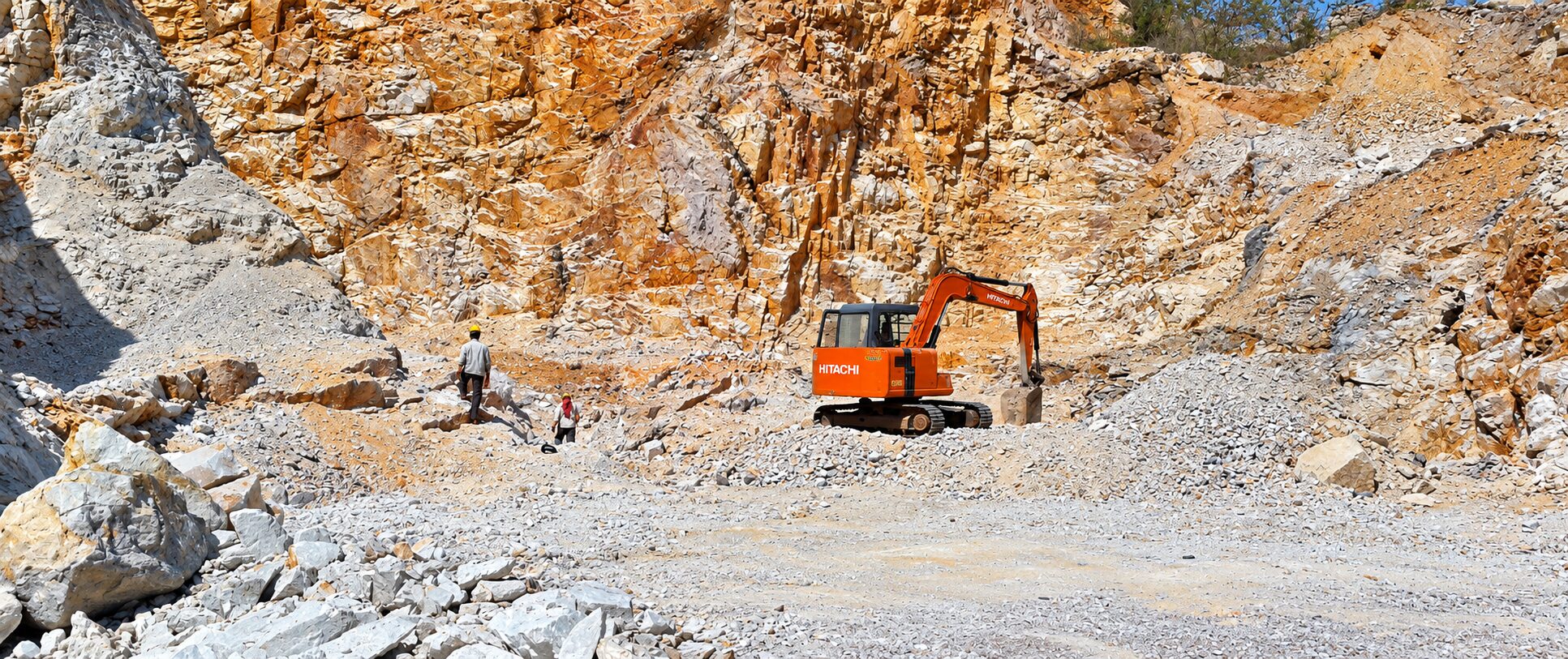
Indian feldspar is gaining increasing attention in global mineral markets as manufacturers look for reliable sources of quality industrial minerals. With its wide range of applications across ceramics, glass, tiles, sanitaryware and other industries, feldspar continues to play an important role in modern manufacturing. India’s established mineral resources, processing capabilities and growing export infrastructure are creating new opportunities for Indian feldspar suppliers to serve international buyers.
As global industries focus on material efficiency, product quality and dependable supply chains, the demand for consistent and suitable feldspar is expected to remain important. For manufacturers, the right mineral characteristics can directly influence melting behaviour, surface finish, strength and overall product performance.
Understanding the Importance of Feldspar
Feldspar is a group of rock-forming minerals that contains important quantities of alkali and alumina. The mineral is widely used as a fluxing agent because it helps reduce the melting temperature of raw materials during manufacturing processes.
In the ceramics industry, feldspar is an important component in the production of tiles, tableware, sanitaryware and other ceramic products. It contributes to vitrification, helping manufacturers achieve the required strength, durability and surface characteristics.
Glass manufacturing is another major application. Feldspar can provide alumina and alkali content, supporting the production of glass with desirable chemical and physical properties. Its role across multiple industrial applications makes it an important mineral for manufacturers seeking dependable raw material supplies.
Growing Export Opportunities for Indian Feldspar
India has significant potential to strengthen its position in the international feldspar market. Growing industrial production in Asia, the Middle East, Europe and other regions is creating opportunities for suppliers that can provide consistent mineral quality and dependable deliveries.
Indian feldspar suppliers can benefit from increasing international demand by focusing on quality-controlled sourcing, appropriate processing and efficient logistics. Export opportunities are particularly relevant for manufacturers that require feldspar with specific chemical compositions, particle sizes and performance characteristics.
As global buyers diversify their supply chains, Indian mineral suppliers can become valuable partners by offering reliable availability and responsive supply solutions.
Consistent Quality and Purity Matter
For industrial buyers, feldspar quality is not determined simply by availability. Consistency in chemical composition, purity and particle size is equally important.
Variations in mineral composition can affect manufacturing parameters and the performance of the final product. For this reason, manufacturers often require raw materials that meet defined specifications and maintain consistency from shipment to shipment.
Quality feldspar can help manufacturers maintain stable production processes and achieve more predictable results. Parameters such as alkali content, alumina levels, iron content, moisture and particle-size distribution may be considered depending on the intended application.
This growing focus on quality provides an opportunity for Indian suppliers to strengthen their position by implementing effective sourcing, processing and quality-control practices.
Feldspar and the Global Ceramics Industry
The ceramics industry remains one of the most important markets for feldspar. Global demand for ceramic tiles, sanitaryware, tableware and technical ceramics continues to support the need for suitable mineral raw materials.
Feldspar contributes to the vitrification process in ceramic manufacturing. By acting as a flux, it helps promote the formation of a glassy phase during firing. This can support important properties such as density, strength, durability and surface quality.
For ceramic manufacturers, access to consistent feldspar can therefore contribute to better process control and product quality. As construction, housing, infrastructure and interior-design markets expand in different regions, the broader ceramics supply chain can create additional opportunities for feldspar suppliers.
Opportunities Beyond Traditional Applications
Although ceramics and glass remain major applications, feldspar’s industrial potential extends further. Advances in material processing and manufacturing technologies are encouraging industries to evaluate minerals based on their specific chemical and physical properties.
The growing use of engineered mineral inputs means suppliers with reliable sourcing and processing capabilities can serve a wider range of industrial requirements. This creates opportunities for Indian feldspar to move beyond traditional markets and participate in specialized applications where consistent mineral specifications are important.
Understanding customer requirements and providing application-specific material solutions can help suppliers build stronger relationships with international buyers.
India’s Role in Diversifying Global Mineral Supply Chains
Global manufacturers are increasingly paying attention to supply-chain resilience. Dependence on limited sources of raw materials can expose industries to transportation disruptions, changing trade conditions and fluctuations in availability.
India can play an important role in diversifying global mineral supply chains by providing access to industrial minerals such as feldspar. Its mineral resources, processing ecosystem and established international trade connections provide a foundation for serving overseas markets.
For international buyers, working with experienced Indian suppliers can provide an additional sourcing option while supporting long-term supply planning.
The Road Ahead for Indian Feldspar
The future of Indian feldspar in global markets will depend on more than increasing export volumes. Quality consistency, technical specifications, responsible sourcing, efficient logistics and customer-focused supply solutions will increasingly influence purchasing decisions.
Suppliers that understand the requirements of different industries can create greater value by providing minerals suited to specific manufacturing processes. Investment in processing, testing and quality management can further strengthen India’s competitiveness in international markets.
At the same time, increasing attention to sustainable supply chains is encouraging manufacturers to evaluate the broader environmental and operational aspects of raw-material sourcing. Responsible mineral sourcing and efficient supply practices can therefore become increasingly important in building long-term international partnerships.
Latest Posts
- Indian Feldspar in Global Markets: Emerging Opportunities
- Mill Scale: Turning a Steelmaking By-Product into a Valuable Industrial Resource

- 2026 GBFS Market: New Price Benchmarks Signal a More Mature Global Trade
- India’s Steel Production Growth and What It Means for Iron Ore Demand
- Limestone: Supporting India’s Growing Cement and Infrastructure Sector