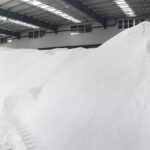
Why Smelters Pay More for Low-Silica Bauxite
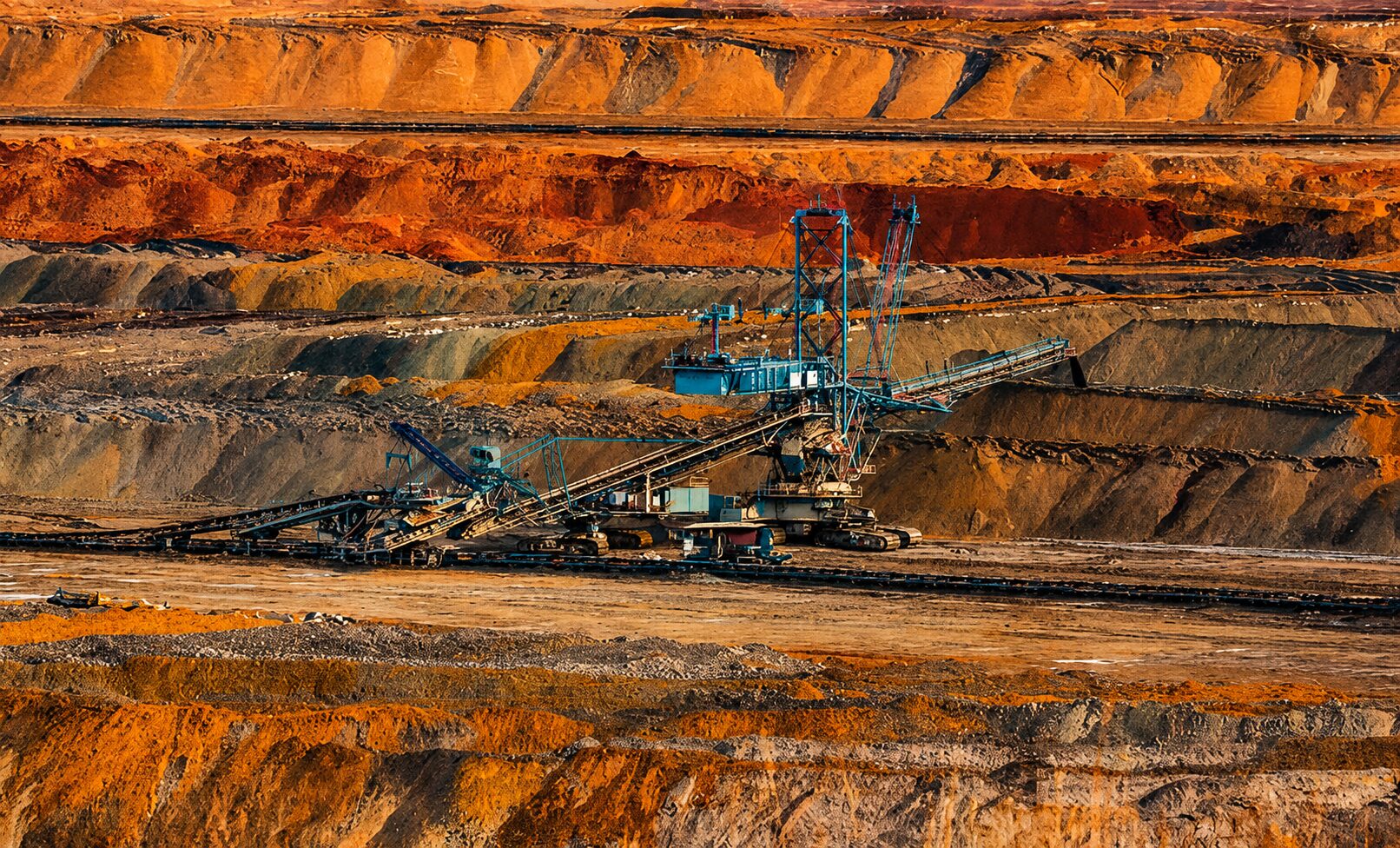
In the global aluminum industry, not all bauxite is valued equally. While alumina content often receives the most attention, one specification quietly determines operational efficiency, recovery rates, and overall profitability for refineries and smelters: reactive silica.
For buyers sourcing smelter-grade bauxite, low silica is not merely a quality advantage — it is a direct economic necessity.
At Gimpex Pvt Ltd, we understand how critical low-silica bauxite is to efficient alumina refining and consistent plant performance. That is why we focus on supplying bauxite with reliable chemistry, shipment-level traceability, and specifications aligned with the needs of modern smelters and alumina refineries.
Understanding the Role of Reactive Silica in the Bayer Process
The majority of the world’s alumina is produced through the Bayer process, where bauxite is digested in caustic soda under high temperature and pressure to extract alumina.
However, reactive silica present in bauxite creates a major operational challenge.
During refining, silica reacts with caustic soda and dissolved alumina to form unwanted compounds such as sodalite. This reaction leads to:
- Higher caustic soda consumption
- Loss of available alumina
- Increased red mud generation
- Reduced refinery efficiency
- Higher processing costs
In simple terms, the higher the reactive silica content, the lower the profitability of alumina production.
Even a small increase in reactive silica can significantly affect operational economics. Industry experience consistently shows that every 1% increase in reactive silica can meaningfully erode alumina recovery and increase reagent costs across large-scale operations.
Why Low-Silica Bauxite Commands Premium Pricing
Smelters and alumina refineries are willing to pay more for low-silica bauxite because it delivers measurable financial and operational benefits.
1. Improved Alumina Recovery
Low reactive silica ensures that more alumina remains available for extraction instead of being lost through secondary reactions.
This improves:
- Refinery yield
- Extraction efficiency
- Overall alumina output per tonne of ore
Higher recovery directly translates into better margins for refinery operators.
2. Reduced Caustic Soda Consumption
Caustic soda is one of the major operating costs in alumina refining.
When silica levels are high, more caustic soda is consumed in unwanted side reactions. Low-silica bauxite helps reduce reagent consumption, lowering operating expenses and improving cost efficiency.
3. Lower Red Mud Generation
Excess silica contributes to greater waste generation during refining. Lower silica content reduces residue formation and supports more sustainable waste management practices.
This is increasingly important as environmental regulations and ESG expectations continue to rise across the mining and metals sector.
4. Stable Refinery Operations
Consistency matters as much as chemistry.
Smelters and refineries require predictable feedstock performance to maintain process stability. Variations in silica content between shipments can disrupt refining conditions and impact production planning.
That is why leading buyers prioritize suppliers capable of maintaining uniform chemistry across shipments.
What Smelter-Grade Bauxite Buyers Look For
Procurement teams and refinery operators typically evaluate bauxite based on several key quality parameters:
- Available Alumina ≥ 45%
- Reactive Silica ≤ 3%
- Consistent chemical composition
- Reliable particle sizing
- Moisture control
- Shipment-level sampling and assay documentation
- Supply reliability and traceability
These specifications help ensure efficient refining performance and predictable production outcomes.
The Importance of Traceability and Assay Reliability
In today’s industrial minerals market, quality alone is not enough. Buyers also expect transparency and documentation.
Shipment-level traceability enables procurement teams to:
- Verify ore consistency
- Monitor quality trends
- Reduce operational risk
- Improve supplier accountability
- Ensure compliance with procurement standards
Documented sampling and assay protocols provide confidence that the supplied material matches agreed specifications.
Gimpex Pvt Ltd: Supplying Reliable Low-Silica Bauxite
At Gimpex Pvt Ltd, we supply bauxite tailored to the demanding requirements of alumina refineries and smelter-grade applications.
Our focus includes:
- Low reactive silica content
- High available alumina
- Consistent shipment chemistry
- Quality-controlled sourcing
- Documented assay and sampling procedures
- Reliable supply chain management
By delivering cleaner bauxite with dependable quality, we help customers improve alumina recovery, reduce reagent consumption, and optimize overall refining economics.
Conclusion
In alumina refining, reactive silica is far more than a laboratory number on a specification sheet. It is one of the most important drivers of operational efficiency and production cost.
That is why low-silica bauxite continues to command premium demand in the global aluminum industry.
For smelters and refineries, the equation is simple:
- Cleaner bauxite
- Higher recovery
- Lower cost per tonne of alumina
With reliable quality, traceable supply, and customer-focused mineral solutions, Gimpex Pvt Ltd remains committed to supporting the evolving needs of the aluminum and industrial minerals sector.
Latest Posts
- 2026 GBFS Market: New Price Benchmarks Signal a More Mature Global Trade
- India’s Steel Production Growth and What It Means for Iron Ore Demand
- Limestone: Supporting India’s Growing Cement and Infrastructure Sector
- Mill Scale: Turning Steelmaking By-Products into Valuable Industrial Resources
- India’s Quartz Processing Sector: Growing Demand, Applications and Opportunities