Why Iron Ore Pellets Continue to Gain Global Attention
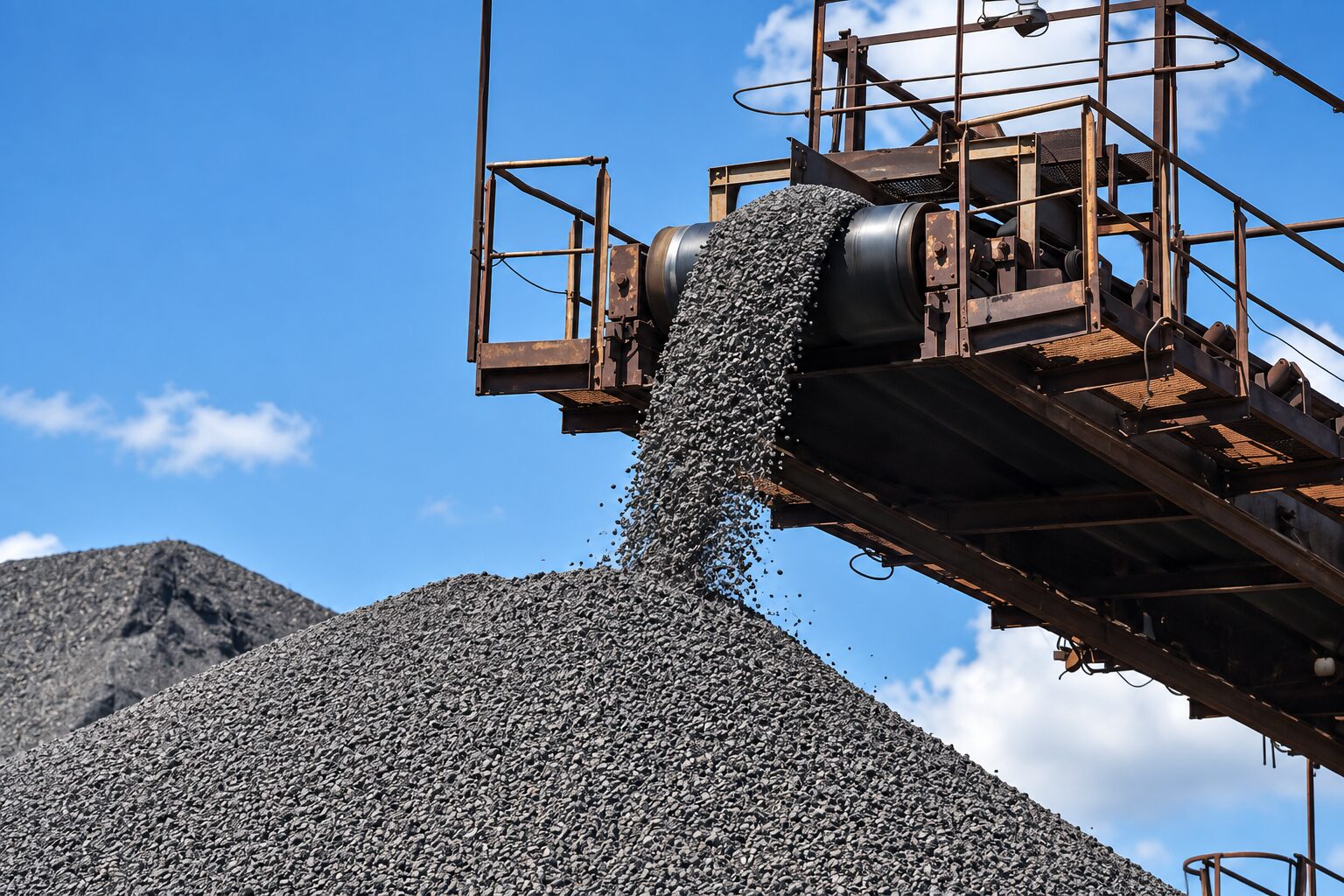
Iron ore pellets are becoming increasingly important in the global steel industry as steel producers look for raw materials that can support consistent, efficient, and quality-focused production. Made by processing and agglomerating fine iron ore into uniform spherical pieces, pellets offer several advantages compared with untreated iron ore fines.
As steelmaking technologies continue to evolve, the demand for reliable and suitable iron-bearing materials is gaining attention across major steel-producing markets. Iron ore pellets are particularly relevant because of their consistent quality, uniform size, efficient handling characteristics, and suitability for modern ironmaking processes.
Consistent Quality and Uniform Size
One of the key advantages of iron ore pellets is their relatively consistent physical characteristics. Their uniform size and composition can help create more predictable conditions during ironmaking.
Consistency is important for steel producers because variations in raw material quality can affect process performance and operational efficiency. Pellets can provide a more controlled feed material, supporting stable furnace operations and helping producers manage their raw material requirements more effectively.
Efficient Handling and Processing
Iron ore pellets are designed to provide good handling characteristics throughout transportation, storage, and processing. Their uniform shape and size can make them easier to manage compared with very fine iron ore materials.
During steel production, raw material handling and preparation are important parts of maintaining efficient operations. Pellets can support streamlined material flow and can be used in established ironmaking processes, depending on the technology and plant configuration.
Their physical properties also make pellets suitable for long-distance transportation, helping connect iron ore supply sources with steelmaking facilities across different regions.
Lower Impurity Levels
The quality of iron ore plays an important role in steel production. Pellets can be produced through beneficiation and processing steps designed to improve iron concentration and manage unwanted impurities.
Lower levels of certain impurities can be valuable to steelmakers because raw material quality influences furnace performance, slag generation, energy requirements, and overall process efficiency. For this reason, producers continue to pay close attention to iron content, gangue levels, and other quality parameters when selecting iron ore pellet supplies.
The ability to produce pellets with controlled specifications makes them an important option for steel producers seeking greater consistency in their raw material mix.
Growing Role in Efficient Steel Production
Global steel demand continues to create a need for efficient ironmaking practices. At the same time, steel producers are evaluating ways to improve productivity, optimize raw material consumption, and manage operating costs.
Iron ore pellets can contribute to these objectives because of their consistent physical and chemical characteristics. Their use can support efficient burden management in suitable ironmaking operations and help steel producers maintain more controlled production conditions.
Pellets are also relevant to different ironmaking technologies, including blast furnace operations and direct reduction processes. Their suitability for direct reduction is particularly significant as the steel industry explores alternative production routes with the potential to reduce carbon emissions.
Potential for Lower-Emission Steelmaking
Reducing emissions has become an important area of focus for the global steel industry. Traditional steelmaking routes can have significant carbon emissions, encouraging producers to explore technologies and raw materials that can support lower-emission production.
High-quality iron ore pellets can play a role in some of these emerging pathways. In particular, direct reduced iron (DRI) production can use suitable iron ore pellets as a feedstock. When combined with lower-carbon energy sources and technologies such as hydrogen-based direct reduction, these processes have the potential to support the development of lower-emission steel production.
However, the overall environmental impact depends on the complete production route, energy source, technology, pellet quality, and operating conditions. Pellets themselves are therefore one part of a broader transition toward more efficient and lower-carbon steelmaking.
Global Demand and Supply Considerations
As steel producers evaluate their raw material strategies, reliable access to suitable iron ore pellets remains important. Quality specifications, availability, transportation infrastructure, freight costs, and delivery schedules can all influence procurement decisions.
For industrial buyers, working with dependable mineral suppliers can help improve supply planning and reduce uncertainty. Consistent sourcing becomes particularly important when steel producers require specific grades or quality parameters for their operations.
The global iron ore market is also influenced by changes in steel production, infrastructure development, industrial activity, logistics, and regional supply conditions. These factors continue to shape how buyers evaluate iron ore products and suppliers.
Why Quality Matters to Industrial Buyers
For buyers, selecting iron ore pellets is not simply about availability. Important considerations can include iron content, impurity levels, pellet size, physical strength, reducibility, consistency, packaging, transportation, and delivery reliability.
A supplier that understands these requirements can help industrial customers identify suitable mineral products for their specific applications. Reliable communication and consistent quality are equally important for maintaining long-term supply relationships.
At Gimpex Pvt Ltd, we support industrial buyers with reliable sourcing and supply of quality mineral products. Our approach focuses on understanding customer requirements and supporting dependable mineral supply for industrial applications.
Looking Ahead
The importance of iron ore pellets is expected to remain closely connected with the future development of the global steel industry. As producers seek greater process efficiency, consistent raw material quality, and pathways toward lower-emission steelmaking, pellets can continue to serve as an important iron-bearing feedstock.
From conventional ironmaking to emerging direct reduction technologies, the role of high-quality iron ore pellets is evolving alongside the needs of the steel sector. For industrial buyers, reliable sourcing and consistent product specifications will remain essential as global steelmaking continues to develop.
Latest Posts
- 2026 GBFS Market: New Price Benchmarks Signal a More Mature Global Trade
- India’s Steel Production Growth and What It Means for Iron Ore Demand
- Limestone: Supporting India’s Growing Cement and Infrastructure Sector
- Mill Scale: Turning Steelmaking By-Products into Valuable Industrial Resources
- India’s Quartz Processing Sector: Growing Demand, Applications and Opportunities