Why GBFS Demand Is Rising in Modern Construction
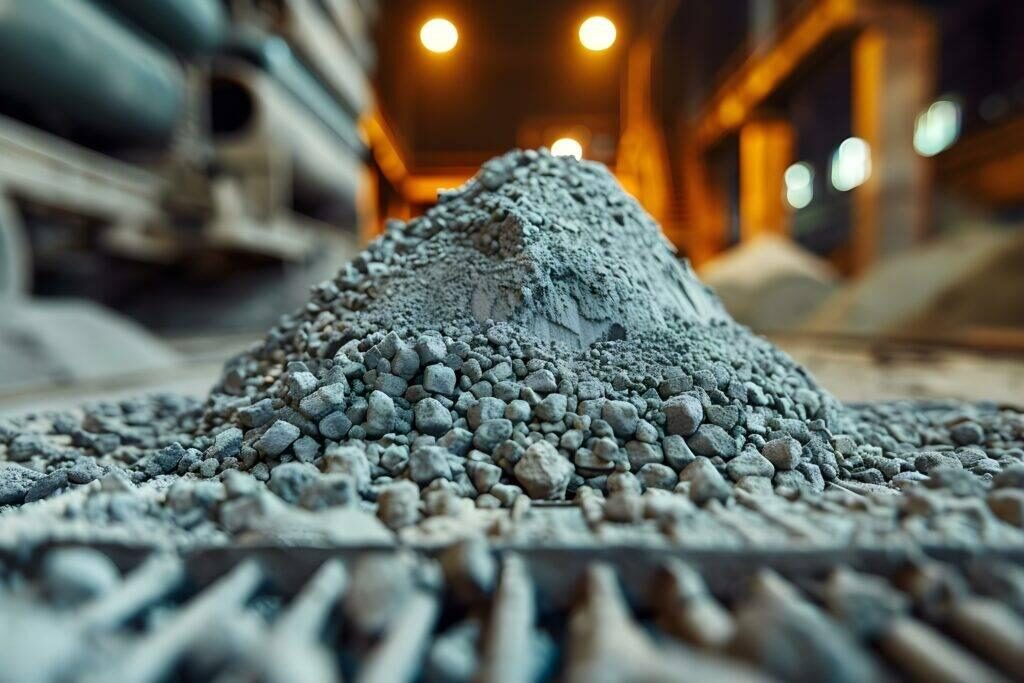
Modern infrastructure projects demand construction materials that deliver superior strength, long-term durability, and consistent performance. As the construction industry continues to focus on building structures that can withstand challenging environments while maintaining structural integrity for decades, Ground Granulated Blast Furnace Slag (GBFS) has become an increasingly important material in cement and concrete production.
From highways and bridges to ports, industrial facilities, and high-rise buildings, GBFS is helping engineers and contractors achieve higher performance standards while improving the quality of concrete. Its unique properties make it one of the most preferred supplementary materials in modern construction, contributing to stronger, more durable, and reliable infrastructure.
What Is GBFS?
Ground Granulated Blast Furnace Slag (GBFS) is a finely ground material produced by processing blast furnace slag generated during iron manufacturing. After suitable processing, it becomes a valuable industrial mineral that enhances the performance of cement and concrete.
Rather than serving as just another raw material, GBFS plays a significant role in improving the mechanical and durability characteristics of concrete, making it suitable for demanding construction applications.
Increasing Performance Requirements in Construction
Today’s construction industry is no longer focused solely on completing projects quickly. Infrastructure must now withstand heavy traffic loads, harsh weather conditions, aggressive chemical exposure, and decades of continuous use.
Government infrastructure projects, industrial developments, commercial complexes, and urban expansion require materials that offer:
- Higher structural strength
- Longer service life
- Better resistance to environmental damage
- Consistent manufacturing quality
- Improved construction efficiency
GBFS addresses these evolving requirements, which explains its growing adoption across the cement and construction industries.
Improved Long-Term Strength
One of the biggest reasons for the rising demand for GBFS is its ability to improve the long-term compressive strength of concrete.
Concrete containing GBFS continues to gain strength over time, making it particularly valuable for large infrastructure projects where durability is critical. This enhanced strength contributes to structures that maintain their performance over extended service periods while reducing maintenance requirements.
Whether used in bridges, marine structures, industrial flooring, or commercial buildings, GBFS helps produce concrete capable of handling demanding structural loads.
Superior Durability in Harsh Environments
Modern infrastructure is frequently exposed to aggressive environmental conditions. Coastal regions, industrial zones, wastewater facilities, and transportation infrastructure often face continuous exposure to sulphates, chlorides, moisture, and chemicals.
GBFS significantly improves concrete’s resistance to:
- Sulphate attack
- Chloride penetration
- Chemical exposure
- Corrosion risks
- Aggressive environmental conditions
This enhanced durability extends the lifespan of structures while reducing repair and maintenance costs throughout their operational life.
Better Workability During Construction
Construction efficiency depends not only on the final strength of concrete but also on how easily it can be placed, compacted, and finished during construction.
GBFS contributes to improved workability by producing a smoother concrete mix that is easier to handle. Contractors benefit from:
- Easier concrete placement
- Improved finishing quality
- Better surface appearance
- Reduced segregation
- Enhanced consistency during pouring
These advantages help improve productivity while maintaining high construction quality standards.
Reduced Heat of Hydration
Large concrete structures generate significant heat during cement hydration. Excessive temperature buildup can lead to thermal cracking, which compromises structural performance.
GBFS helps reduce the heat generated during hydration, making it particularly valuable for:
- Dams
- Large foundations
- Bridges
- Mass concrete structures
- Industrial infrastructure
Lower heat generation minimizes thermal stress and significantly reduces the risk of cracking during curing, resulting in stronger and more reliable concrete.
Consistent Quality for Reliable Performance
Construction projects require predictable material performance to meet engineering specifications and quality standards.
GBFS offers consistent physical and chemical characteristics, allowing manufacturers to produce reliable cement and concrete with uniform performance. This consistency helps contractors, engineers, and project owners maintain strict quality control throughout the construction process.
Reliable material quality is especially important for large-scale infrastructure projects where even minor variations can affect overall structural performance.
Supporting the Future of Infrastructure
As governments and private developers invest heavily in transportation networks, industrial corridors, smart cities, ports, renewable energy projects, and commercial developments, the demand for high-performance construction materials continues to rise.
GBFS has become an essential component in meeting these evolving infrastructure requirements by helping manufacturers produce concrete that offers greater strength, improved durability, and dependable long-term performance.
Its growing use reflects the industry’s shift toward materials that enhance construction quality while supporting efficient project execution.
Gimpex Pvt. Ltd.: Supporting the Cement and Construction Industry
At Gimpex Pvt. Ltd., we understand the evolving needs of the cement, construction, and manufacturing sectors. We supply quality industrial minerals and raw materials through dependable sourcing, consistent quality control, and reliable supply chains that help manufacturers maintain efficient production and superior product performance.
Our commitment to quality enables customers to meet modern construction standards while supporting projects that demand durable, high-performance building materials.
As infrastructure development accelerates across India and global markets, Gimpex Pvt. Ltd. continues to be a trusted partner in delivering industrial mineral solutions that contribute to stronger, more resilient construction.
Conclusion
The growing demand for Ground Granulated Blast Furnace Slag reflects the construction industry’s increasing emphasis on strength, durability, consistency, and long-term performance. By improving concrete quality, enhancing resistance to harsh environments, reducing thermal cracking, and providing better workability, GBFS has become an indispensable material for modern infrastructure.
As construction standards continue to evolve, quality industrial minerals will remain at the heart of durable engineering solutions. With dependable sourcing and consistent quality, Gimpex Pvt. Ltd. is committed to supporting the cement and construction industries with materials that help build stronger, longer-lasting infrastructure for the future.
Latest Posts
- 2026 GBFS Market: New Price Benchmarks Signal a More Mature Global Trade
- India’s Steel Production Growth and What It Means for Iron Ore Demand
- Limestone: Supporting India’s Growing Cement and Infrastructure Sector
- Mill Scale: Turning Steelmaking By-Products into Valuable Industrial Resources
- India’s Quartz Processing Sector: Growing Demand, Applications and Opportunities