
Why Cenospheres Are Becoming Essential in High-Performance Ceramics
As industries continue to demand stronger, lighter, and more thermally efficient materials, the ceramics sector is evolving rapidly. From aerospace insulation systems to advanced industrial refractories, manufacturers are constantly seeking innovative materials that can improve performance while optimizing production efficiency. One material gaining significant attention in this transformation is the cenosphere.
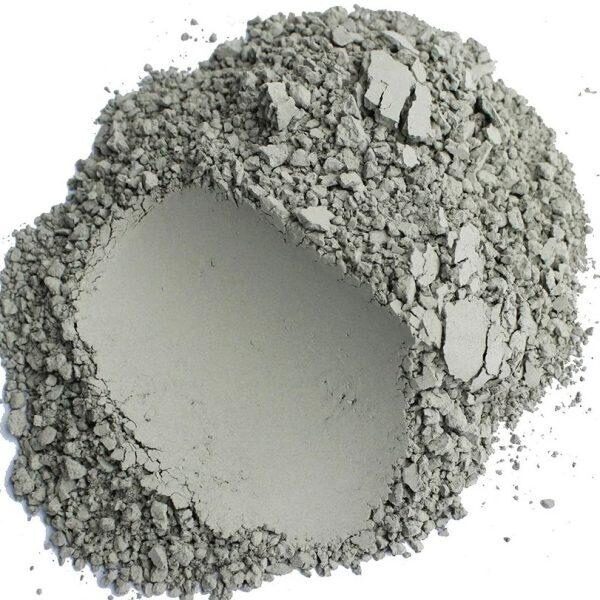
Derived from fly ash generated during coal combustion, cenospheres are lightweight, hollow ceramic microspheres known for their unique combination of low density, thermal resistance, and mechanical stability. Once considered an industrial byproduct, cenospheres are now becoming an essential component in high-performance ceramic applications across multiple industries.
At Gimpex Pvt Ltd, high-quality cenospheres are helping manufacturers develop advanced ceramic solutions that deliver durability, efficiency, and sustainability at scale.
What Are Cenospheres?
Cenospheres are inert, hollow spheres primarily composed of silica and alumina. These microscopic particles are formed naturally during the combustion of coal in thermal power plants. Because of their hollow structure and ceramic composition, cenospheres possess exceptional thermal and mechanical properties that make them highly suitable for advanced engineering applications.
Their smooth spherical shape, low bulk density, and high strength-to-weight ratio allow them to function as performance-enhancing fillers in ceramic formulations.
The Growing Role of Cenospheres in Advanced Ceramics
Modern ceramic applications require materials that can withstand extreme environments without compromising structural integrity or energy efficiency. Cenospheres address several critical challenges faced by ceramic manufacturers today.
Lightweight Advantage
One of the most significant benefits of cenospheres is their ability to reduce the overall weight of ceramic components.
Traditional ceramic materials are often dense and heavy, which can increase transportation costs and limit their use in weight-sensitive industries. By incorporating cenospheres into ceramic formulations, manufacturers can achieve lighter products while maintaining excellent structural performance.
This lightweight characteristic is particularly valuable in industries such as:
- Aerospace components
- Automotive thermal systems
- Industrial insulation products
- Lightweight refractory materials
Reduced weight not only improves handling and installation but also contributes to better energy efficiency in end-use applications.
Superior Thermal Stability
High-performance ceramics are frequently exposed to extreme temperatures and thermal cycling conditions. Cenospheres offer excellent thermal resistance due to their ceramic composition and hollow structure.
Their ability to withstand elevated temperatures enhances:
- Thermal shock resistance
- Insulation performance
- Heat retention efficiency
- Durability under fluctuating temperatures
This makes cenospheres highly effective in refractory linings, kiln furniture, thermal insulation panels, and other heat-intensive industrial applications.
Manufacturers using cenospheres in ceramic systems can achieve greater reliability and longer operational life in demanding environments.
Enhanced Mechanical Properties
The spherical geometry of cenospheres plays a critical role in improving the mechanical behavior of ceramic products.
Unlike irregular fillers, the uniform shape of cenospheres improves particle packing efficiency within ceramic matrices. This results in:
- Reduced shrinkage during firing
- Improved dimensional stability
- Better crack resistance
- Enhanced surface finish
- Consistent product quality
The hollow microspheres also help distribute stress more evenly throughout the material, improving overall structural performance.
These advantages are especially important in precision-engineered ceramic products where dimensional accuracy and stability are essential.
Cost and Energy Efficiency
Efficiency has become a major focus for ceramic manufacturers aiming to reduce production costs and improve sustainability.
Because cenospheres are lightweight, they help lower the overall mass of ceramic products, which directly impacts energy consumption during:
- Material handling
- Processing
- Firing operations
- Transportation
Reduced energy requirements can significantly improve operational efficiency while lowering manufacturing costs over time.
In addition, cenospheres can help optimize raw material consumption without compromising product performance, making them an economically attractive solution for large-scale ceramic production.
Supporting Sustainable Manufacturing
Sustainability is becoming increasingly important across industrial sectors, including advanced ceramics.
Cenospheres represent an excellent example of value-added waste utilization. As a byproduct of coal combustion, their recovery and use in ceramic manufacturing help convert industrial waste into high-value functional materials.
This contributes to:
- Efficient resource utilization
- Reduced landfill waste
- Lower environmental impact
- Sustainable material innovation
By integrating cenospheres into ceramic applications, manufacturers can align performance goals with environmental responsibility.
Applications of Cenospheres in High-Performance Ceramics
Due to their versatile properties, cenospheres are now widely used in various ceramic and refractory applications, including:
- Lightweight refractory bricks
- Thermal insulation ceramics
- Ceramic coatings
- Kiln linings
- Fire-resistant materials
- Advanced industrial ceramics
- Aerospace insulation systems
- Automotive ceramic components
As industries continue to demand materials that combine durability, thermal efficiency, and lightweight performance, the role of cenospheres is expected to expand even further.
Gimpex Pvt Ltd: Enabling Next-Generation Ceramic Innovation
At Gimpex Pvt Ltd, we supply premium-quality cenospheres designed to meet the evolving requirements of advanced ceramic manufacturers.
With a focus on quality consistency, performance reliability, and application-specific solutions, our cenospheres support manufacturers in developing innovative ceramic products that deliver:
- Superior thermal performance
- Reduced product weight
- Improved processing efficiency
- Enhanced durability
- Sustainable manufacturing advantages
As high-performance ceramics continue to shape the future of industrial innovation, cenospheres are becoming an indispensable material for manufacturers seeking competitive advantage and long-term efficiency.
By leveraging the unique properties of cenospheres, industries can create ceramic solutions that are lighter, stronger, and better equipped for the demands of modern engineering applications.
Latest Posts
- 2026 GBFS Market: New Price Benchmarks Signal a More Mature Global Trade

- India’s Steel Production Growth and What It Means for Iron Ore Demand

- Limestone: Supporting India’s Growing Cement and Infrastructure Sector

- Mill Scale: Turning Steelmaking By-Products into Valuable Industrial Resources

- India’s Quartz Processing Sector: Growing Demand, Applications and Opportunities