Water Treatment & Environmental Applications of Limestone
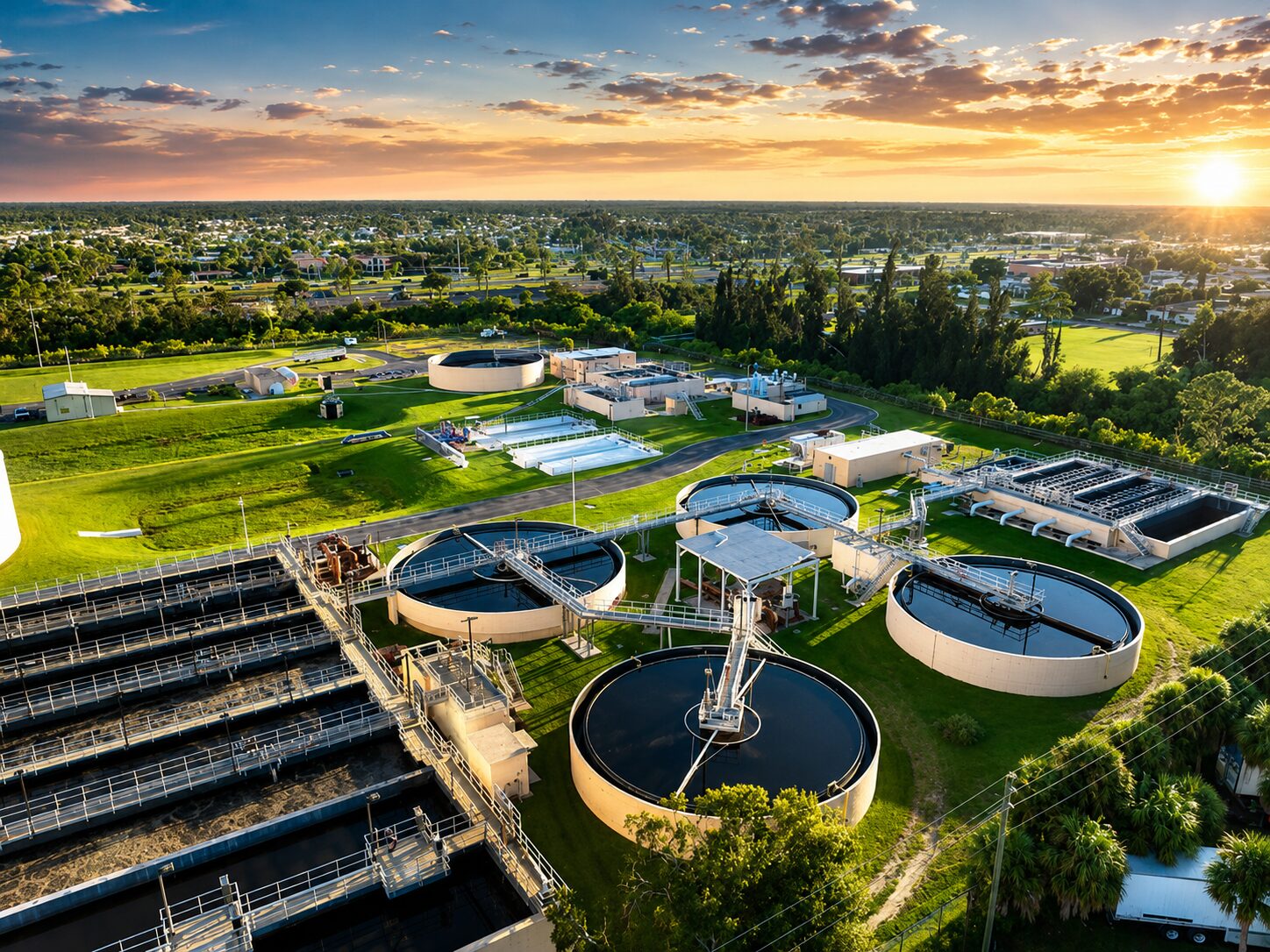
As industries across the globe face increasing pressure to comply with stricter environmental regulations, the importance of sustainable and effective pollution control solutions has never been greater. Among the many industrial minerals used for environmental management, limestone has emerged as one of the most reliable, versatile, and cost-effective materials for water treatment and pollution control applications.
From neutralizing acidic wastewater to supporting cleaner industrial emissions, limestone plays a crucial role in helping industries meet environmental compliance standards while promoting long-term sustainability.
Why Limestone Matters in Environmental Applications
Limestone is a naturally occurring sedimentary rock primarily composed of calcium carbonate (CaCO₃). Due to its chemical properties, it is highly effective in treating contaminated water, balancing pH levels, and reducing harmful emissions generated by industrial operations.
Industries such as power generation, steel manufacturing, mining, chemical processing, paper production, and wastewater treatment heavily rely on high-purity limestone for various environmental applications.
Its affordability, availability, and efficiency make limestone one of the most widely used minerals in modern environmental management systems.
Limestone in Water Treatment
Neutralizing Acidic Wastewater
Many industrial processes generate acidic wastewater that can severely damage ecosystems if discharged untreated. Limestone is extensively used to neutralize acidic effluents by increasing the pH level of wastewater before disposal or reuse.
When limestone reacts with acidic water, it helps stabilize pH levels, making the water safer for discharge into the environment. This process is especially critical in industries such as mining, metal processing, and chemical manufacturing where acid generation is common.
Maintaining proper pH balance also protects pipelines, treatment infrastructure, and downstream equipment from corrosion and operational damage.
Removal of Heavy Metals and Impurities
Industrial wastewater often contains dissolved heavy metals and suspended impurities that pose serious environmental and health risks. Limestone helps precipitate harmful metals such as iron, aluminum, and manganese, enabling easier removal during treatment processes.
Its application improves water clarity, reduces contamination levels, and enhances the overall efficiency of water treatment systems. As environmental discharge standards become more stringent, industries increasingly depend on reliable mineral solutions like limestone to achieve compliance.
Role of Limestone in Flue Gas Desulfurization (FGD)
One of the most significant environmental applications of limestone is in Flue Gas Desulfurization (FGD) systems used by thermal power plants and industrial facilities.
FGD systems are designed to remove sulfur dioxide (SO₂) emissions from exhaust gases before they are released into the atmosphere. Sulfur dioxide is a major contributor to air pollution, acid rain, and respiratory health issues.
In wet FGD systems, finely ground high-purity limestone reacts with sulfur dioxide to form gypsum, effectively reducing harmful emissions. This process enables industries to meet stringent air quality regulations while minimizing environmental impact.
As governments worldwide tighten emission norms and focus on cleaner industrial operations, the demand for FGD-grade limestone continues to rise significantly.
Supporting Environmental Compliance
Environmental accountability is becoming a top priority for industries globally. Regulatory authorities are enforcing stricter guidelines related to wastewater discharge, air emissions, and pollution control practices.
To comply with these regulations, industries require dependable raw materials that ensure process efficiency, operational consistency, and environmental safety. High-quality limestone provides the reliability needed for effective environmental management systems.
By improving treatment efficiency and reducing pollution levels, limestone contributes directly to sustainable industrial operations and ESG (Environmental, Social, and Governance) goals.
Sustainable Industrial Growth with Limestone
Sustainability is no longer optional for modern industries. Businesses are increasingly adopting eco-conscious operational practices to reduce environmental impact and strengthen long-term resilience.
Limestone supports this transition by offering a natural and environmentally responsible solution for pollution control and water treatment. Its ability to enable cleaner production processes makes it an essential mineral for industries focused on sustainable growth.
In addition, limestone-based treatment systems are often more economical compared to chemical-intensive alternatives, helping industries optimize operational costs while maintaining compliance.
Gimpex Pvt Ltd – Reliable Limestone Solutions for Environmental Applications
At Gimpex Pvt Ltd, we provide high-purity limestone solutions designed to meet the evolving needs of water treatment and environmental compliance applications.
Our limestone products are carefully processed to ensure consistent quality, optimal chemical composition, and reliable performance across industrial applications including:
- Water treatment plants
- Industrial effluent treatment
- Flue Gas Desulfurization (FGD)
- Pollution control systems
- Environmental remediation projects
With a strong commitment to quality, sustainability, and customer-focused solutions, Gimpex Pvt Ltd supports industries in achieving cleaner operations and regulatory compliance while minimizing environmental impact.
Conclusion
As industries continue to prioritize sustainability and environmental responsibility, limestone will remain a critical component in water treatment and pollution control systems. Its effectiveness in neutralizing acidic wastewater, removing impurities, and reducing harmful emissions makes it indispensable for modern industrial operations.
By choosing high-quality limestone solutions, industries can improve operational efficiency, meet environmental standards, and contribute to a cleaner and more sustainable future.
Sustainable solutions truly begin with the right materials.
Latest Posts
- 2026 GBFS Market: New Price Benchmarks Signal a More Mature Global Trade
- India’s Steel Production Growth and What It Means for Iron Ore Demand
- Limestone: Supporting India’s Growing Cement and Infrastructure Sector
- Mill Scale: Turning Steelmaking By-Products into Valuable Industrial Resources
- India’s Quartz Processing Sector: Growing Demand, Applications and Opportunities