
The Role of Specialized Minerals in Safe & Efficient Oil Exploration
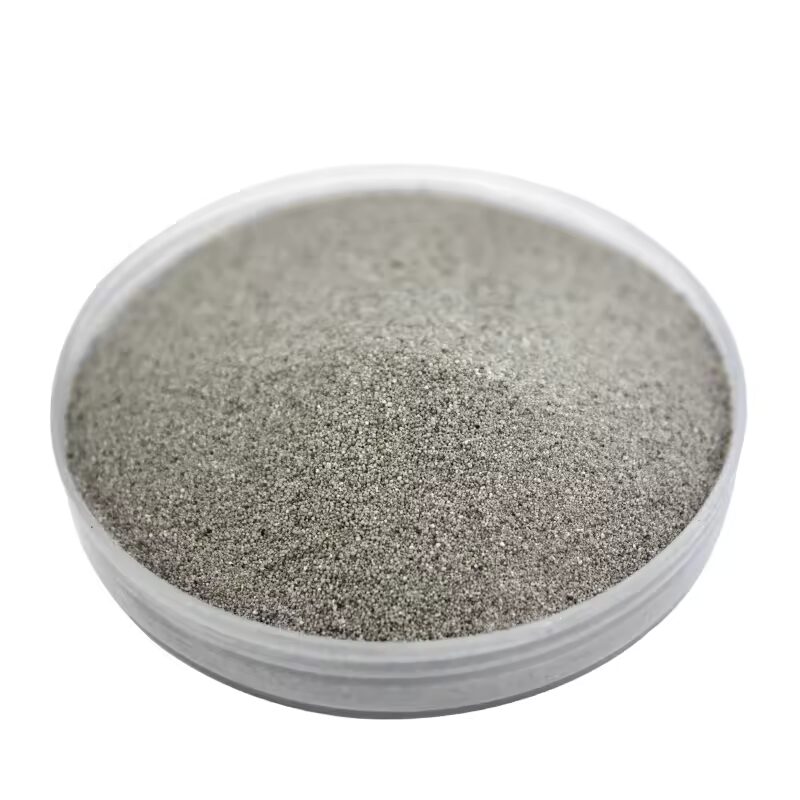
The global cenospheres market is gaining strong momentum as industries increasingly shift toward lightweight, high-performance, and sustainable materials. As modern manufacturing evolves, the demand for innovative mineral-based solutions continues to rise — and cenospheres are emerging as a key enabler in this transformation.
What Are Cenospheres?
Cenospheres are hollow, lightweight microspheres derived as a byproduct of coal combustion in thermal power plants. Despite being an industrial byproduct, they offer exceptional value due to their unique combination of properties:
- Low density
- High compressive strength
- Superior thermal insulation
- Chemical inertness
These characteristics make cenospheres highly versatile across a wide range of industries including construction, automotive, oil & gas, and advanced composites.
Market Outlook
The global cenospheres market is projected to reach $1.98 billion by 2030, growing at a CAGR of 9.8%. This impressive growth trajectory is fueled by multiple industrial and environmental factors:
- Increasing demand for recycled and eco-friendly raw materials
- Rising need for lightweight components in automotive manufacturing
- Continuous advancements in composite material technologies
As industries prioritize efficiency and sustainability, cenospheres are becoming an indispensable material solution.
Key Growth Drivers
Several factors are accelerating the adoption of cenospheres globally:
1. Sustainability & Circular Economy
Industries are actively moving toward sustainable practices, and cenospheres — being recycled materials — align perfectly with circular economy goals.
2. Lightweight Automotive Components
Automotive manufacturers are focusing on weight reduction to improve fuel efficiency and reduce emissions, making cenospheres a preferred filler material.
3. Specialty Cement & Syntactic Foams
Cenospheres enhance performance in specialty cement and syntactic foam applications by improving strength while reducing overall weight.
4. Aerospace & Defense Investments
High-performance materials with low density are critical in aerospace and defense, driving demand for cenospheres in advanced composites.
Emerging Industry Trends
The cenospheres market is also being shaped by several key trends:
- Increased use of lightweight fillers in construction materials
- Growing applications in oil & gas cementing operations
- Rising demand for high-strength, low-density composites
- Expanded usage in:
- Paints and coatings
- Thermal insulation systems
- Acoustic insulation solutions
These trends highlight the versatility and expanding role of cenospheres across industries.
The Role of Cenospheres in Modern Industry
Cenospheres are no longer just an industrial byproduct — they are a strategic material that enhances performance while reducing environmental impact. Their ability to improve durability, reduce weight, and provide insulation makes them critical in next-generation material design.
Gimpex Pvt Ltd: Powering Advanced Material Solutions
At Gimpex Pvt Ltd, we recognize the growing importance of advanced mineral-based materials like cenospheres in enabling high-performance and efficient industrial solutions.
With a strong commitment to quality, innovation, and sustainability, we support industries in leveraging cenospheres to:
- Improve product performance
- Reduce material weight
- Enhance energy efficiency
- Promote responsible resource utilization
Conclusion
As industries continue to innovate and adopt sustainable practices, cenospheres are set to play an increasingly vital role in shaping the future of materials engineering. Their unique properties and eco-friendly origin position them as a key component in achieving both performance excellence and environmental responsibility.
The future is lightweight, efficient, and sustainable — and cenospheres are leading the way.