
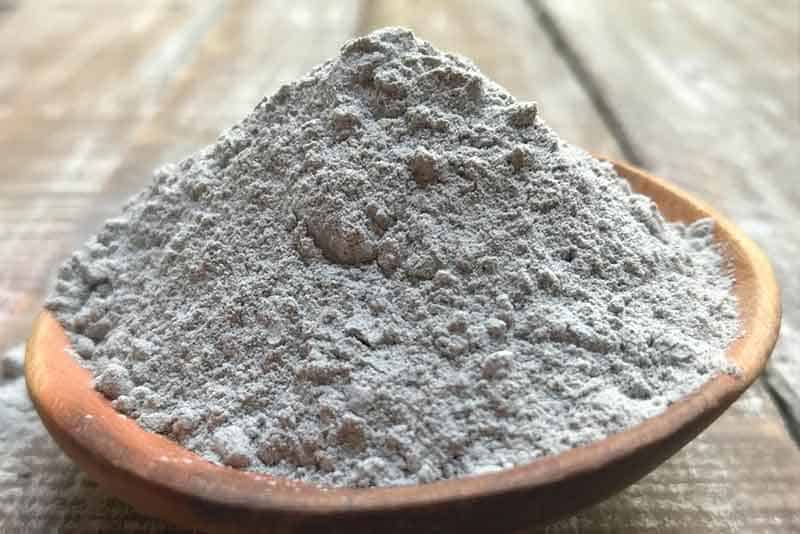
Myth vs Fact: Bentonite — Choosing the Right Grade Makes All the Difference
In the world of industrial minerals, bentonite is often treated as a one-size-fits-all solution. But that assumption can lead to costly mistakes. Let’s break down a common misconception and get to the facts that truly matter for performance and efficiency.
Myth:
All bentonite is the same, so one grade works for every application.
Fact:
Bentonite varies widely based on its type, composition, and properties, and each grade is designed for specific applications.
Sodium Bentonite
Known for its high swelling capacity and strong binding properties, sodium bentonite is ideal for applications such as drilling muds, sealants, and geotechnical uses, where viscosity and impermeability are critical.Calcium Bentonite
Valued for its stability and superior absorbency, calcium bentonite is commonly used in cosmetics, detox products, animal feed, and select industrial processes where controlled absorption is required.
Choosing the right grade directly affects performance, efficiency, and overall cost.
Why This Matters
Using the wrong type of bentonite can result in:
Poor or inconsistent performance
Higher material consumption
Increased operational challenges and costs
Understanding bentonite specifications isn’t just technical knowledge—it’s a strategic advantage for achieving reliable and consistent outcomes.
Our Approach at Gimpex Pvt Ltd
At Gimpex Pvt Ltd, bentonite is never supplied based on assumptions. Each grade is carefully selected and processed according to specific application requirements, ensuring customers get the right material for the right purpose—every time.
Because in industrial minerals, the right choice makes all the difference.
Latest Posts
- From Ore to Alumina: Understanding Bauxite’s Growing Importance

- Quality Minerals: The Foundation of High-Performing Industries

- The Growing Global Demand for Feldspar: Powering the Future of Ceramics and Glass Manufacturing

- Why GBFS Demand Is Rising in Modern Construction

- Iron Ore Market Outlook 2026: Demand Trends and Opportunities