Mill scale is a valuable byproduct generated during the hot rolling process—one of the most critical stages in steel production. Though often overlooked, mill scale plays an important role in industrial recycling and resource efficiency. Understanding how it forms not only highlights its significance but also its potential for sustainable reuse.
Heating: Preparing Steel for Transformation
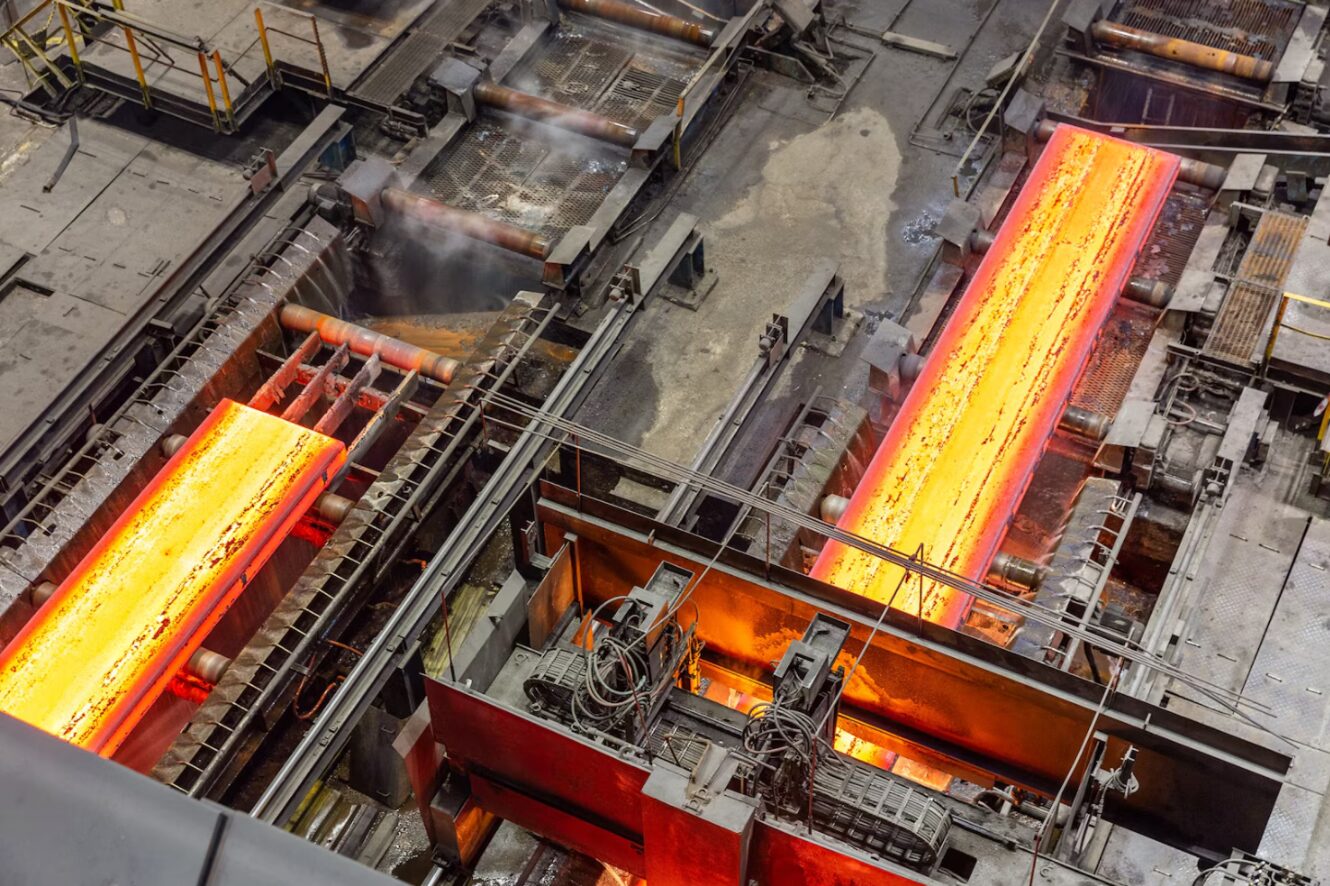
The process begins with heating steel billets, blooms, or slabs in high-temperature furnaces. These materials are heated to approximately 2,000°F (1,100°C), making them soft and malleable. This step is essential to ensure the steel can be shaped efficiently during rolling.
Rolling: Shaping the Steel
Once heated, the steel is passed through rolling mills where it is compressed and stretched into the desired thickness and shape. This stage defines the final dimensions and mechanical properties of the steel product.
Oxidation: Formation of Iron Oxides
At such elevated temperatures, the steel surface reacts with oxygen present in the atmosphere. This chemical reaction leads to the formation of iron oxide layers on the surface. These layers are commonly referred to as scale.
Shedding: Creation of Mill Scale
As the rolling process continues, the brittle oxide layers begin to crack and detach from the steel surface. These flakes fall away during processing, resulting in what is known as mill scale—a dense, iron-rich material.
Water Sprays and Moisture Content
Modern steel mills often use water sprays to control surface temperature and reduce excessive scale formation. While this improves product quality, it also introduces moisture into the collected mill scale, which recyclers must manage effectively to maintain material value.
Collection Methods
Mill scale is typically collected through two primary methods:
Mechanical Collection – Directly gathered from rolling stands, conveyors, and production areas
Sludge Collection – Retrieved from cooling water systems where fine scale particles settle over time
Industrial Value and Sustainability
Mill scale is far from waste—it is a recyclable resource rich in iron content. It can be reused in various industries, including steelmaking, cement production, and sintering processes. Efficient collection and processing of mill scale contribute to reducing raw material consumption and minimizing industrial waste.
At Gimpex Pvt Ltd, we recognize the true value of mill scale as a sustainable and reusable material. By promoting efficient recycling practices, we contribute to environmentally responsible manufacturing and optimal resource utilization.
If you’d like, I can also optimize this blog for SEO (keywords, meta description, headings) or tailor it for your website or LinkedIn post.