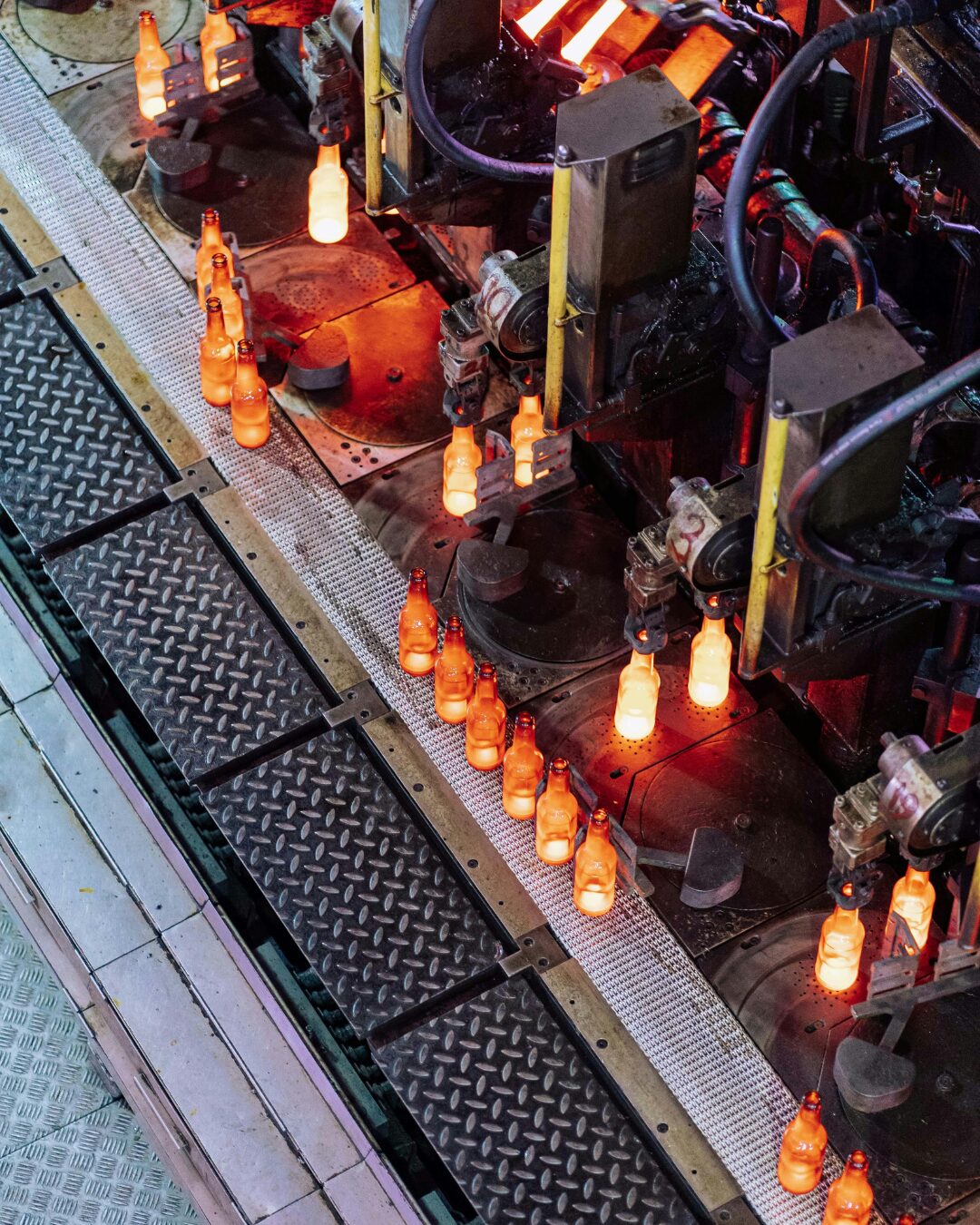
Feldspar has long been a cornerstone raw material in glass manufacturing. For decades, it has played a critical role in improving the durability, strength, and workability of glass products. Today, however, innovation in feldspar processing is transforming the industry in ways that go far beyond its traditional use—unlocking new levels of efficiency, performance, and sustainability.
The Evolving Role of Feldspar in Glass Manufacturing
Feldspar acts as a fluxing agent in glass production, helping to lower the melting temperature of raw materials. This not only improves manufacturing efficiency but also enhances the final product’s strength and chemical durability. As the demand for high-performance glass grows across industries—from construction to electronics—the need for superior-quality feldspar has become more important than ever.
Advanced Processing Techniques Driving Change
Modern advancements in feldspar processing are redefining quality standards in the glass industry. Techniques such as advanced beneficiation, precision grinding, and controlled particle size distribution are enabling manufacturers to achieve consistent and reliable results.
Improved particle size control ensures better melting behavior, reducing defects and enhancing the clarity of glass. At the same time, advanced separation technologies are helping eliminate unwanted minerals and contaminants, resulting in higher purity levels.
These improvements directly translate into:
- Better optical clarity
- Increased mechanical strength
- Greater consistency in production
Reducing Impurities for High-Performance Glass
One of the most significant breakthroughs in feldspar processing is the ability to minimize impurities—especially iron content. Even trace amounts of iron can impact the color and transparency of glass, making impurity control essential for high-end applications.
Low-iron feldspar is particularly crucial for:
- Solar glass panels
- Electronic displays
- Premium architectural glass
By reducing impurities, manufacturers can produce ultra-clear, color-sensitive glass that meets the stringent demands of modern applications.
Enhancing Energy Efficiency and Sustainability
Innovation in feldspar processing is also contributing to more sustainable glass manufacturing. By optimizing the chemical composition and particle size, feldspar helps lower furnace temperatures, reducing energy consumption during melting.
This leads to:
- Lower production costs
- Reduced carbon emissions
- Improved overall efficiency
As sustainability becomes a key focus across industries, such advancements are helping glass manufacturers align with environmental goals without compromising on quality.
Meeting the Demand for Precision-Grade Raw Materials
The glass industry is evolving rapidly, with increasing demand for specialized and high-performance products. As a result, the expectations from raw materials like feldspar have also risen.
Consistency, reliability, and precision are no longer optional—they are essential. Manufacturers now require feldspar that meets exact specifications to ensure seamless production and superior end products.
Gimpex Pvt Ltd: Supporting the Future of Glass
At Gimpex Pvt Ltd, we understand the critical role feldspar plays in shaping the glass industry. Our focus is on delivering high-quality feldspar that meets the evolving needs of modern manufacturing.
Through stringent quality control, advanced processing methods, and a commitment to consistency, we ensure that our products support enhanced performance and efficiency in glass production.
Conclusion
Innovation in feldspar processing is not just improving raw material quality—it is redefining the future of the glass industry. From enhanced clarity and strength to improved energy efficiency and sustainability, these advancements are enabling manufacturers to push the boundaries of what glass can achieve.
As the industry continues to evolve, one thing is clear: innovation in raw materials like feldspar is not just supporting progress—it is shaping it.