How Bentonite Supports High-Quality Iron Ore Pellet Production
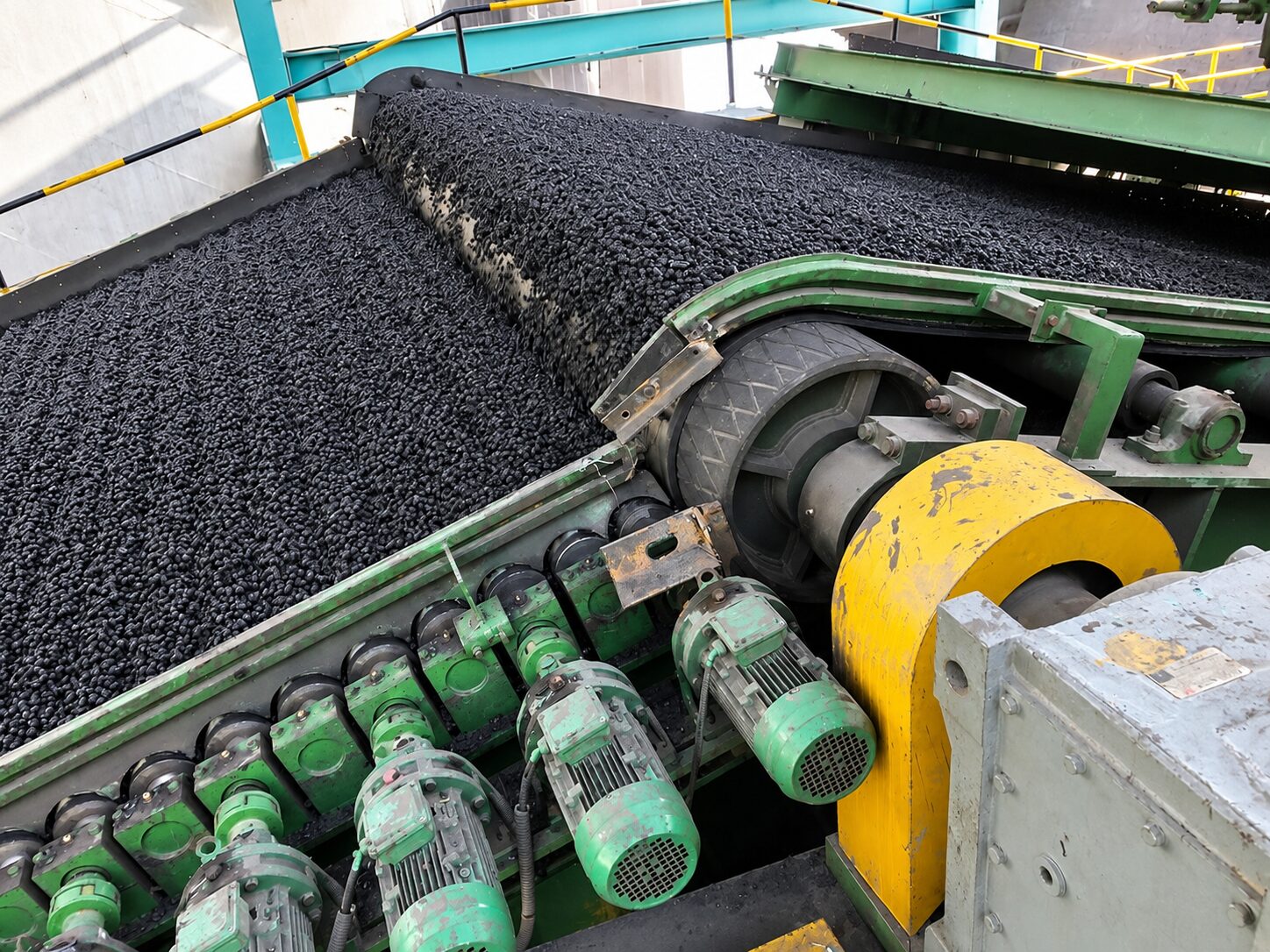
The quality of iron ore pellets plays an important role in the efficiency and productivity of modern steel manufacturing. As steel producers increasingly focus on improving raw material utilization, reducing material losses, and maintaining consistent furnace performance, the pelletizing process has become an important part of iron ore preparation. One mineral that plays a critical role in this process is bentonite.
Bentonite is widely used as a binder in iron ore pelletizing because of its excellent binding properties. When blended with iron ore concentrate and water, bentonite helps the fine particles come together to form stable green pellets. These pellets can then withstand handling and transportation before undergoing induration at high temperatures.
For steel manufacturers, the right bentonite quality can contribute to better pellet formation, improved green pellet strength, consistent pellet size, and reduced generation of fines. This makes bentonite an important industrial mineral for efficient iron ore pellet production.
What Is Bentonite?
Bentonite is a naturally occurring clay mineral that contains a high proportion of smectite minerals, particularly montmorillonite. It has strong swelling, water absorption, plasticity, and binding characteristics.
These properties make bentonite suitable for a wide range of industrial applications, including foundry operations, drilling fluids, construction, civil engineering, and iron ore pelletizing.
In pellet production, only a relatively small quantity of binder is required compared with the overall quantity of iron ore concentrate. However, its influence on pellet quality can be significant. Bentonite helps improve the interaction between fine iron ore particles and water, allowing them to form stronger and more stable pellets.
Why Is Bentonite Used in Iron Ore Pelletizing?
Iron ore concentrates used for pellet production contain very fine particles. These particles need to be agglomerated into larger, mechanically stable pellets before they can be efficiently processed in many steelmaking operations.
Without an effective binder, the fine particles may have difficulty forming stable pellets. Bentonite helps overcome this challenge by improving the bonding between particles.
During pelletizing, iron ore concentrate, water, and a controlled quantity of bentonite are mixed before being processed into pellets. The binder helps the particles adhere to one another and supports the formation of pellets with the required size and strength.
The resulting green pellets need sufficient strength to survive screening, transfer, storage, and transportation before induration. Bentonite therefore contributes to the overall stability and consistency of the pelletizing process.
Better Pellet Formation
One of the primary benefits of bentonite in iron ore pelletizing is improved pellet formation.
Iron ore concentrates consist largely of fine particles, which can be difficult to agglomerate efficiently on their own. Bentonite provides binding action that helps these particles come together during pellet formation.
The interaction between bentonite, water, and iron ore particles supports the formation of compact and stable green pellets. Consistent mixing and appropriate binder dosage can help pellet producers achieve more predictable pellet formation and reduce variations during production.
Better pellet formation also supports smoother downstream handling and processing.
Higher Green Pellet Strength
Green pellet strength is an important quality parameter in iron ore pelletizing. Green pellets must remain intact as they move through different stages of the production process.
If pellets have insufficient green strength, they may break during screening, transfer, or transportation. This can increase the generation of fines and reduce material recovery.
Bentonite improves the binding of iron ore particles, helping green pellets maintain their structural integrity. Higher green pellet strength allows pellets to withstand mechanical handling before they undergo the high-temperature induration process.
For steel producers, maintaining adequate green pellet strength can therefore contribute to improved process stability and lower material losses.
Uniform Pellet Size and Shape
Consistent pellet size and shape are also important for efficient iron ore processing. Variations in pellet dimensions can affect handling, screening, permeability, and the performance of downstream operations.
Bentonite supports the agglomeration of fine iron ore particles, helping producers form pellets with more consistent characteristics when the overall pelletizing process is properly controlled.
Uniform pellets can contribute to predictable material movement and more consistent processing conditions. This is particularly valuable for large-scale steel plants where stable raw material quality is essential for continuous production.
Reduced Fines and Material Loss
The generation of excessive fines can create challenges throughout the iron ore pelletizing process. Fines may be produced when pellets lack sufficient strength and break during handling, screening, storage, or transportation.
By improving the bonding between iron ore particles, bentonite can help reduce pellet degradation and support better material retention.
Lower fines generation can contribute to improved material utilization and help minimize losses during handling. It can also support more efficient use of iron ore concentrate, which is particularly important as steel producers seek greater operational efficiency.
Bentonite and Efficient Steel Production
The quality of raw materials used in steelmaking can influence production efficiency, operating stability, and overall resource utilization. Iron ore pelletizing is an important step in preparing iron-bearing materials for efficient use in steel production.
Bentonite acts as a supporting mineral in this process by improving the physical properties of green pellets. Its binding characteristics help transform fine iron ore concentrate into pellets that can be handled and processed more effectively.
The performance of bentonite depends on factors such as mineral composition, swelling characteristics, moisture content, particle size, and dosage. Therefore, selecting a suitable grade and maintaining consistent quality are important considerations for pellet manufacturers.
Choosing the Right Bentonite for Pelletizing
Not all bentonite performs identically in every pelletizing operation. The appropriate material needs to meet the specific requirements of the iron ore concentrate, pelletizing equipment, production conditions, and desired pellet quality.
Important considerations can include binding performance, swelling capacity, moisture interaction, particle size, and compatibility with the overall pelletizing process.
Consistent mineral quality is particularly important for large-scale operations. Variations in binder characteristics can influence pellet formation and may require adjustments to the production process.
For this reason, reliable sourcing and quality control are essential when selecting bentonite for industrial applications.
The Importance of Reliable Industrial Mineral Supply
Steel manufacturers depend on a steady supply of raw materials and industrial minerals to maintain continuous operations. Delays or variations in material quality can affect production planning and process performance.
A reliable industrial mineral supplier can support manufacturers by providing consistent material quality and dependable supply solutions according to application requirements.
At Gimpex Pvt Ltd, we support industrial customers with quality mineral sourcing and supply solutions for demanding applications. Our focus on reliable supply and material quality helps industries access the minerals they require for their production processes.
Bentonite: A Small Addition with an Important Role
Although bentonite is used in relatively small quantities during iron ore pelletizing, its role is significant. By helping bind fine iron ore particles together, it supports better pellet formation and contributes to the strength and consistency required during handling and processing.
From improving green pellet strength to supporting uniform pellet size and reducing fines, bentonite can contribute to a more stable and efficient pelletizing operation.
As steel production continues to evolve, the demand for consistent and efficient raw material preparation remains important. High-quality industrial minerals such as bentonite will continue to support the performance requirements of modern iron ore pelletizing operations.
Latest Posts
- Zinc Ash and Zinc Dross: Driving Sustainable Zinc Recovery Through Secondary Resources
- Mill Scale in Steel Production: A Valuable Secondary Raw Material for Sustainable Ironmaking
- India’s Infrastructure Growth: Driving Long-Term Demand for Industrial Limestone
- India’s Steel Capacity Expansion: What It Means for Iron Ore and Pellet Suppliers
- Building Lighter, More Efficient and High-Performance Concrete