
Global Market Trends Driving Cenosphere Consumption
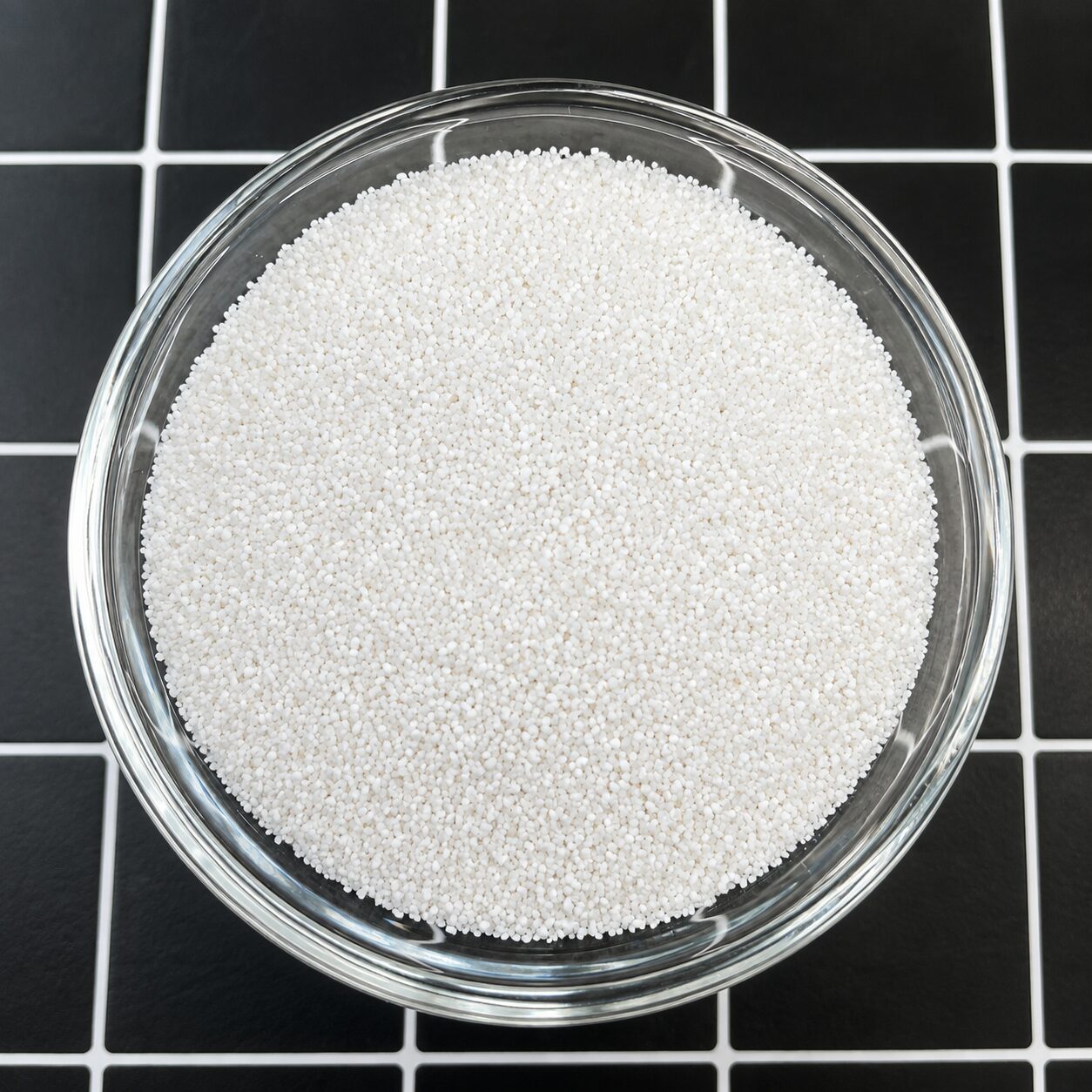
Cenospheres are gaining increasing attention across global industries as manufacturers look for materials that combine lightweight performance, durability, insulation, and sustainability. These hollow, spherical particles are obtained as a by-product of coal combustion and offer a distinctive combination of low density, strength, thermal resistance, and acoustic insulation.
As industries continue to improve material efficiency and develop high-performance products, the demand for cenospheres is expanding across construction, composites, oil and gas, automotive, paints and coatings, and other industrial applications. Global market trends indicate that their unique properties are supporting their adoption in both traditional and emerging applications.
Growing Use in Lightweight Construction
One of the key factors supporting cenosphere consumption is the growing demand for lightweight construction materials. Construction companies and material manufacturers are increasingly looking for ways to reduce overall structural weight without compromising performance.
Cenospheres can be incorporated into lightweight concrete, cement-based products, mortars, flooring materials, and other construction systems. Their low density can help reduce material weight, while their spherical shape can contribute to improved workability in selected formulations.
The increasing development of energy-efficient buildings and infrastructure is also encouraging manufacturers to explore lightweight materials that can provide functional and performance benefits.
Rising Demand for Advanced Composites
Advanced composites are another important area contributing to the growing use of cenospheres. Industries such as automotive, aerospace, marine, and industrial manufacturing are increasingly focused on materials that deliver strength while reducing weight.
Cenospheres can be used as lightweight fillers in polymer composites, plastics, and other engineered materials. Their incorporation can help manufacturers develop materials with lower density while maintaining useful mechanical and thermal characteristics.
As manufacturers continue to develop lighter components and improve material efficiency, cenospheres can offer a practical option for specific composite formulations.
Excellent Thermal and Acoustic Insulation
Thermal and acoustic performance is becoming increasingly important across construction and industrial applications. Cenospheres have hollow structures that can provide useful insulation characteristics, making them suitable for applications where thermal resistance and sound reduction are important considerations.
In construction materials, cenospheres can be incorporated into selected products to support thermal insulation requirements. Their lightweight structure and insulating properties can also make them useful in specialized industrial formulations.
The growing emphasis on energy efficiency and improved indoor environments is creating additional opportunities for materials that contribute to thermal and acoustic performance.
Increasing Focus on Sustainable Materials
Sustainability has become an important consideration for manufacturers worldwide. Industries are increasingly evaluating ways to reduce waste, improve resource efficiency, and incorporate recovered or recycled materials into their production processes.
Cenospheres are recovered from fly ash generated during coal combustion. Utilizing this material in suitable applications provides an opportunity to convert an industrial by-product into a value-added material.
This circular approach aligns with the broader industrial movement toward resource optimization and waste utilization. As manufacturers continue to explore more sustainable material solutions, cenospheres can play a role in applications where their technical properties meet specific formulation requirements.
Expanding Applications Across Industries
The versatility of cenospheres is supporting their use across a broad range of industries. In addition to construction and composites, they are used in areas such as paints and coatings, plastics, rubber, oil and gas, automotive components, and specialized industrial products.
In paints and coatings, cenospheres can function as lightweight fillers and may contribute to selected performance characteristics. In oil and gas applications, their properties can support specialized cementing and material formulations. In plastics and rubber, they can be considered for applications where weight reduction and filler performance are important.
This diversification is significant because demand is not dependent on a single industry. As new applications emerge, manufacturers and material suppliers continue to investigate how cenospheres can be incorporated into different product formulations.
Global Industrial Trends Supporting Cenosphere Consumption
Several broader industrial trends are contributing to the growing interest in cenospheres. Lightweighting is becoming increasingly important as manufacturers seek to reduce material consumption and improve product efficiency. At the same time, advanced manufacturing is creating demand for fillers and additives that can provide specific functional characteristics.
Energy efficiency is another major consideration. Materials that support thermal insulation can contribute to the development of products designed for improved energy performance. Meanwhile, sustainability initiatives are encouraging industries to consider recovered materials and more efficient approaches to resource utilization.
Together, these trends are creating a favorable environment for the continued exploration and adoption of cenospheres across global markets.
Quality and Consistency Matter
As cenosphere applications become more specialized, consistent material quality is increasingly important for industrial buyers. Factors such as particle size, density, chemical composition, strength, and moisture content can influence how cenospheres perform in different formulations.
For manufacturers, selecting a reliable supply partner is therefore an important part of maintaining consistent production and product performance. Proper sourcing, quality assessment, packaging, and logistics can help industrial users receive cenospheres that meet their application requirements.
Gimpex Pvt Ltd – Supporting Industrial Mineral Requirements
At Gimpex Pvt Ltd, we understand the importance of reliable industrial mineral sourcing for manufacturers across different sectors. Our approach focuses on quality, consistency, dependable supply, and customer-oriented solutions.
As global industries continue to search for lightweight, durable, and resource-efficient materials, cenospheres are becoming an increasingly relevant component for various industrial applications. Their combination of low density, insulation characteristics, and versatility positions them as a useful material for evolving manufacturing requirements.
With continued innovation in construction, composites, coatings, and other industrial sectors, the application potential of cenospheres is expected to expand further. Reliable sourcing and consistent quality will remain important as manufacturers explore new ways to use this versatile material.
Latest Posts
- 2026 GBFS Market: New Price Benchmarks Signal a More Mature Global Trade

- India’s Steel Production Growth and What It Means for Iron Ore Demand

- Limestone: Supporting India’s Growing Cement and Infrastructure Sector

- Mill Scale: Turning Steelmaking By-Products into Valuable Industrial Resources

- India’s Quartz Processing Sector: Growing Demand, Applications and Opportunities