Global Limestone Trade & Supply Chain Resilience in 2026
In 2026, the global limestone market is undergoing a major transformation. What was once considered a stable and easily accessible industrial mineral supply chain is now being influenced by geopolitical uncertainty, fluctuating freight costs, environmental regulations, and evolving industrial demand. Across sectors such as steel manufacturing, construction, power generation, and environmental applications, businesses are increasingly prioritizing supply chain resilience over simple availability.
For industries that depend on consistent limestone supply, the conversation has shifted from “Can we source limestone?” to “Can we rely on uninterrupted, high-quality delivery in a rapidly changing market?”
As a trusted global mineral supplier, Gimpex Pvt Ltd understands that reliability, agility, and operational resilience are now the defining factors of long-term industrial success.
The Changing Dynamics of Global Limestone Trade
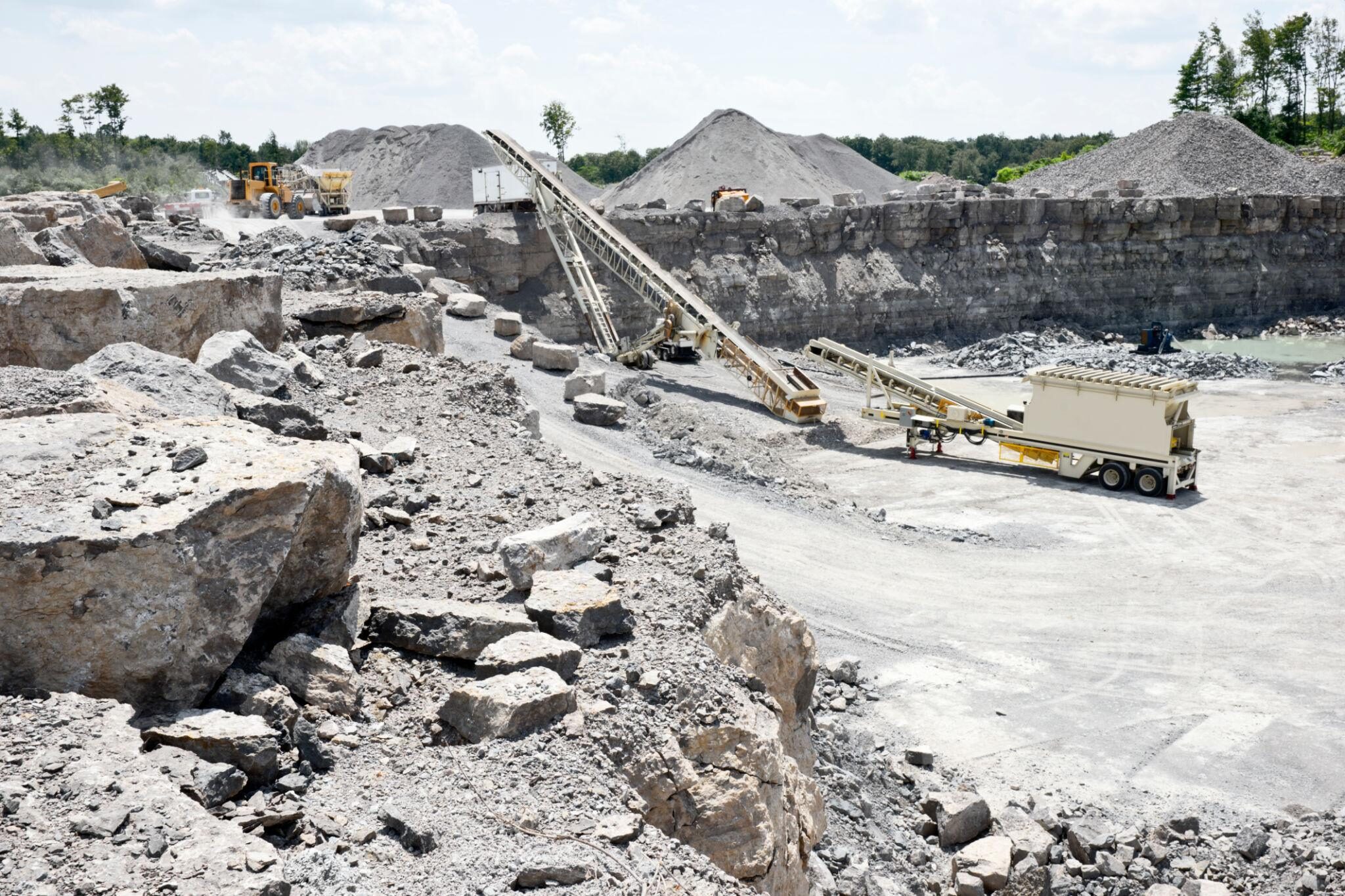
Limestone continues to play a critical role in modern industry. It is essential for steelmaking, cement manufacturing, flue gas desulfurization (FGD), construction materials, glass production, agriculture, and water treatment applications. However, the global trade environment surrounding limestone has become increasingly complex.
Several factors are reshaping international limestone supply chains in 2026:
Geopolitical Uncertainty and Trade Route Disruptions
Global trade routes are becoming less predictable due to geopolitical tensions, regional conflicts, sanctions, and changing trade alliances. Port congestion, customs delays, and shipping route diversions are creating uncertainty for industries that rely on just-in-time raw material delivery.
For bulk commodities like limestone, even minor disruptions can significantly impact production schedules and operational costs. Industries dependent on uninterrupted raw material flow are now seeking suppliers with diversified sourcing capabilities and adaptable logistics networks.
Freight and Logistics Cost Volatility
Freight markets continue to experience fluctuations across major export regions. Rising fuel prices, container shortages, vessel availability issues, and seasonal disruptions are affecting shipping timelines and transportation costs worldwide.
Bulk mineral logistics require careful coordination between mining operations, inland transportation, port handling, and international shipping. Inconsistent logistics performance can lead to production downtime, increased inventory costs, and delayed industrial operations.
As a result, companies are increasingly evaluating suppliers based not only on product quality, but also on logistics efficiency and supply reliability.
Environmental Regulations and Sustainable Sourcing
Environmental compliance is becoming a major factor in global mineral trade. Governments and industries are introducing stricter regulations around mining practices, emissions, waste management, and sustainability reporting.
Limestone used in environmental applications such as FGD systems for emission control must meet increasingly stringent quality and purity standards. Buyers are now prioritizing suppliers that demonstrate responsible sourcing practices, process transparency, and regulatory compliance.
This shift is encouraging greater investment in quality assurance systems, sustainable mining operations, and environmentally responsible supply chain management.
Why Supply Chain Resilience Matters More Than Ever
In today’s industrial environment, supply chain resilience is no longer optional. It has become a strategic necessity.
A resilient limestone supply chain enables industries to:
- Maintain uninterrupted production schedules
- Reduce operational risks
- Adapt quickly to market disruptions
- Ensure consistent product quality
- Meet environmental and regulatory standards
- Improve long-term cost stability
Industries such as steel, cement, and power generation operate on strict timelines where raw material delays can have substantial financial consequences. Businesses are therefore moving toward long-term partnerships with suppliers capable of ensuring continuity during uncertain market conditions.
Building Resilient Limestone Supply Chains
At Gimpex Pvt Ltd, supply chain resilience is built through a combination of strategic sourcing, quality control, logistics expertise, and market adaptability.
Diversified Sourcing Networks
One of the key strategies for mitigating supply risks is maintaining diversified sourcing channels. Depending on a single supply region or transport route increases vulnerability to geopolitical or operational disruptions.
By developing strong sourcing networks and maintaining supply flexibility, businesses can better manage uncertainties while ensuring uninterrupted limestone availability.
Consistent Quality Across Batches
Industrial applications require limestone with reliable chemical composition, particle size distribution, and purity levels. Variations in quality can directly affect manufacturing efficiency and product performance.
Strict quality control systems help ensure consistency across batches, enabling industries to maintain operational stability and meet technical specifications without interruption.
Strong Logistics Partnerships
Efficient logistics management plays a crucial role in modern mineral supply chains. Reliable transportation partners, optimized shipping coordination, and proactive inventory planning help minimize delays and improve delivery reliability.
Strong logistics partnerships allow suppliers to respond quickly to changing market conditions while maintaining timely delivery schedules across domestic and international markets.
Agility in Responding to Market Shifts
The ability to adapt quickly to changing trade conditions has become a significant competitive advantage. Whether responding to freight market fluctuations, regulatory updates, or sudden supply disruptions, agility enables businesses to maintain continuity and customer confidence.
Responsive supply chain strategies help industries remain competitive even during periods of global uncertainty.
The Future of Limestone Trade in 2026 and Beyond
The global limestone market is expected to continue evolving as industries scale operations, environmental standards tighten, and infrastructure demand grows worldwide.
Future supply chains will increasingly depend on:
- Strategic sourcing diversification
- Digital supply chain visibility
- Sustainable mining practices
- Reliable global logistics networks
- Long-term supplier partnerships
- Strong quality assurance systems
Companies that invest in resilient supply chain strategies today will be better positioned to navigate future market challenges and capitalize on growth opportunities.
Conclusion
In 2026, the limestone market is no longer defined solely by availability. Reliability, resilience, and adaptability have become essential pillars of successful industrial supply chains.
As geopolitical dynamics, freight volatility, and regulatory pressures continue to reshape global trade, businesses must work with dependable partners capable of delivering both quality and continuity.
At Gimpex Pvt Ltd, the focus remains on building resilient limestone supply chains through diversified sourcing, consistent quality standards, strong logistics coordination, and rapid market responsiveness.
Because in today’s industrial landscape, supply certainty is more than an operational benefit — it is a long-term competitive advantage.
Latest Posts
- 2026 GBFS Market: New Price Benchmarks Signal a More Mature Global Trade
- India’s Steel Production Growth and What It Means for Iron Ore Demand

- Limestone: Supporting India’s Growing Cement and Infrastructure Sector
- Mill Scale: Turning Steelmaking By-Products into Valuable Industrial Resources
- India’s Quartz Processing Sector: Growing Demand, Applications and Opportunities