Global Demand for Mill Scale Continues to Strengthen
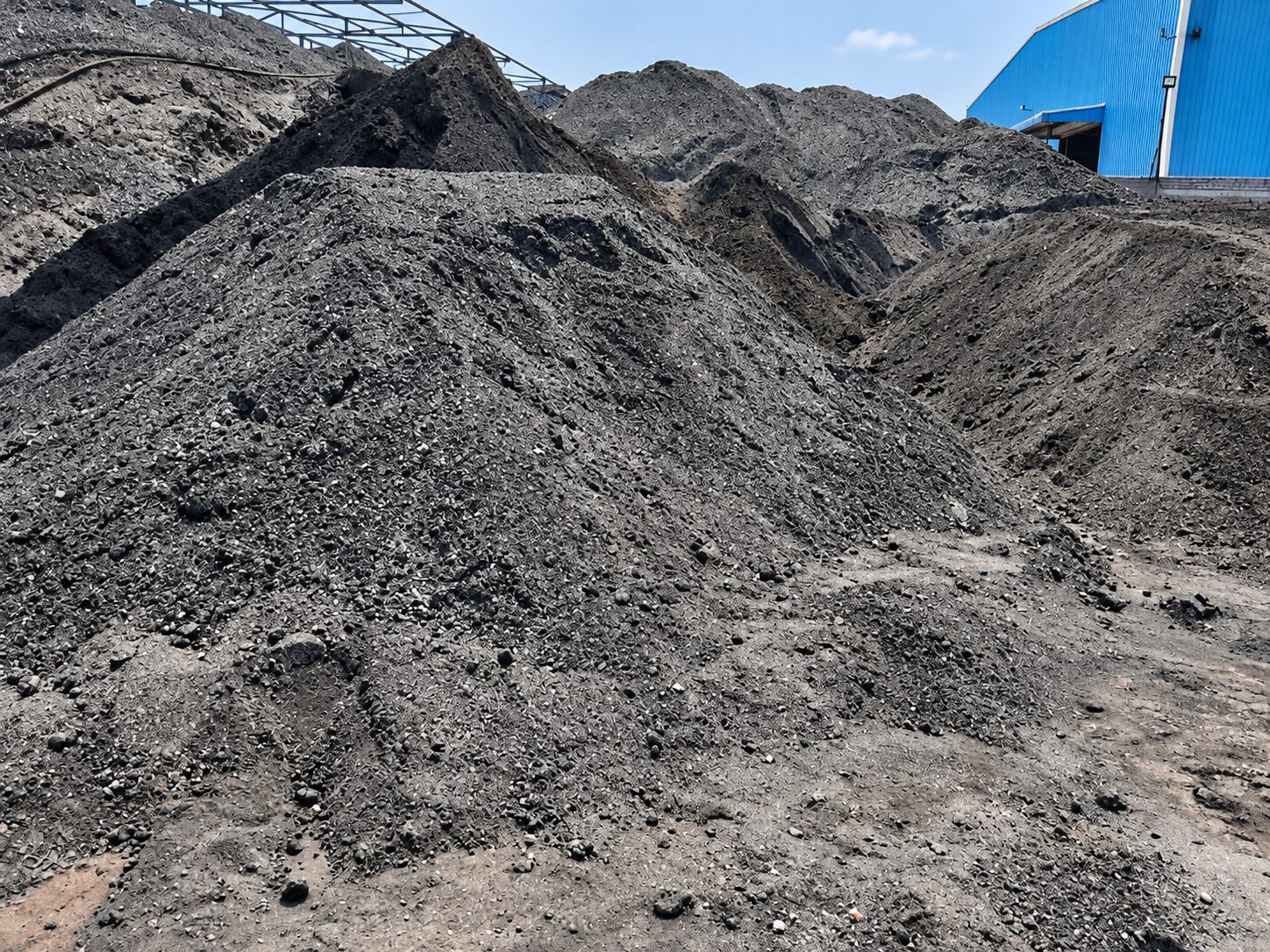
As industries continue to focus on efficient resource utilisation, cost optimisation, and sustainable manufacturing, the demand for iron-rich secondary materials is gaining attention across global markets. Mill scale remains an important industrial material, particularly for applications associated with steelmaking, metal recycling, and the recovery of valuable iron content.
Mill scale is formed on the surface of steel during high-temperature manufacturing and hot rolling processes. Because it contains a significant amount of iron oxides, it can be utilised as a secondary raw material in suitable industrial processes. Its availability as a by-product of steel production also makes it relevant to industries seeking to improve raw material utilisation and reduce material wastage.
Growing Role of Mill Scale in Steelmaking
The steel industry remains one of the key sectors associated with mill scale utilisation. Its iron-rich composition makes it suitable for selected applications where iron-bearing materials are required. Depending on its chemical composition, particle size, moisture content, and processing requirements, mill scale can be incorporated into different stages of metal production.
For manufacturers, using suitable secondary raw materials can help diversify input materials while making productive use of materials generated during industrial operations. This contributes to a more resource-efficient approach to steel and metal production.
Supporting Metal Recycling and Resource Utilisation
The growing focus on circular production models is encouraging industries to make better use of secondary materials. Instead of treating industrial by-products simply as waste, suitable materials can be recovered, processed, and redirected toward productive applications.
Mill scale represents one such material. Recovering its iron content can support better utilisation of resources already generated within the steel manufacturing cycle. This approach can contribute to reducing material losses and improving overall resource efficiency.
Cost-Effective Industrial Applications
Raw material costs are an important consideration for manufacturers across the steel and metal industries. Mill scale can provide an alternative source of iron units for suitable applications, depending on quality specifications and process requirements.
Its industrial value is influenced by factors such as iron content, chemical composition, consistency, moisture levels, and particle size. Reliable sourcing and quality control are therefore important when purchasing mill scale for industrial use.
For buyers, consistent material quality can help support predictable processing and efficient production planning.
Mill Scale and Sustainable Manufacturing
Sustainability is becoming increasingly important across industrial supply chains. Manufacturers are looking for ways to reduce waste, improve resource efficiency, and make better use of available raw materials.
The utilisation of mill scale supports this broader approach by giving an industrial by-product a productive purpose. Recovering and reusing iron-rich materials can help reduce unnecessary material disposal while contributing to more efficient resource management.
Although the environmental benefits depend on the specific application and processing method, the reuse of suitable secondary raw materials is an important component of the wider transition toward resource-efficient manufacturing.
Importance of Reliable Mill Scale Supply
For industrial buyers, sourcing is not only about availability. Consistent quality, dependable supply, appropriate material specifications, and timely delivery are equally important.
Mill scale can vary depending on its source and production process. Differences in iron content, oxide composition, moisture, and particle size can influence its suitability for specific applications. Working with an experienced industrial raw material supplier can help buyers identify materials that align with their technical and operational requirements.
A reliable supply chain also helps manufacturers maintain production continuity and plan their raw material requirements more effectively.
Global Market Outlook for Mill Scale
As steel production, metal recycling, and resource-efficient manufacturing continue to evolve, mill scale is expected to remain relevant as an iron-rich secondary material. Growing awareness of industrial resource recovery is also encouraging businesses to explore ways of converting suitable by-products into useful raw materials.
The continued emphasis on cost efficiency and sustainable production may further support interest in mill scale across relevant industrial markets. For buyers and manufacturers, understanding material quality and selecting dependable supply partners will remain important as demand develops.
Gimpex Pvt Ltd – Supporting Industrial Raw Material Requirements
At Gimpex Pvt Ltd, we focus on reliable sourcing and supply of quality industrial raw materials for diverse industry requirements. Our approach emphasises consistent material quality, dependable sourcing, and supply support to help industrial buyers meet their raw material needs.
Latest Posts
- 2026 GBFS Market: New Price Benchmarks Signal a More Mature Global Trade
- India’s Steel Production Growth and What It Means for Iron Ore Demand

- Limestone: Supporting India’s Growing Cement and Infrastructure Sector

- Mill Scale: Turning Steelmaking By-Products into Valuable Industrial Resources
- India’s Quartz Processing Sector: Growing Demand, Applications and Opportunities