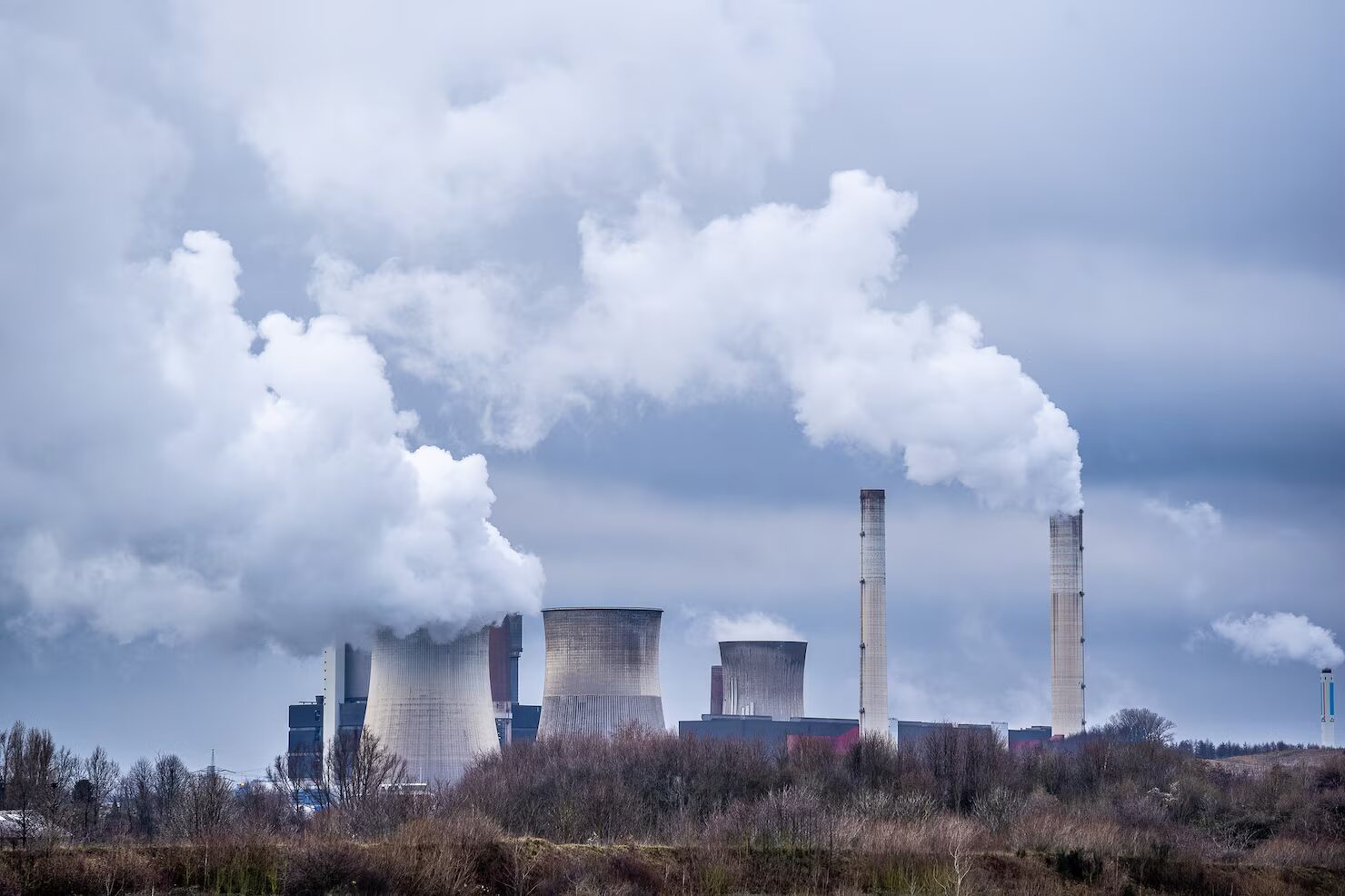
Struggling with high SO₂ emissions even though your Flue Gas Desulfurization (FGD) system is already in place? It’s a frustrating situation many power plants and industrial operators face. The assumption is often that the system isn’t performing—but in reality, the issue frequently lies with a less obvious factor: the quality of limestone being used.
The Hidden Factor Behind FGD Performance
FGD systems are designed to remove sulfur dioxide (SO₂) efficiently from flue gases. However, their effectiveness depends heavily on the chemical and physical properties of the limestone used in the process. Not all limestone is created equal, and using suboptimal material can significantly limit your system’s performance.
If your emission levels remain higher than expected, it may be time to look beyond the equipment—and focus on what’s inside it.
Why the Right Limestone Matters
1. Higher Purity = Better Absorption
Limestone with a high calcium carbonate (CaCO₃) content plays a crucial role in SO₂ capture. The higher the purity, the more reactive the material, allowing for better absorption efficiency within the FGD system.
Low-purity limestone, on the other hand, reduces reaction efficiency and leads to incomplete desulfurization—ultimately affecting your emission compliance.
2. Optimal Particle Size = Faster Reaction
Particle size directly impacts how quickly limestone reacts with sulfur dioxide. Uniform and well-controlled particle distribution ensures:
- Faster chemical reactions
- Improved slurry performance
- Enhanced overall system efficiency
Inconsistent sizing can slow down the reaction rate, reducing the effectiveness of the FGD process.
3. Low Impurities = Stable Operations
Impurities such as silica, magnesium, or other unwanted minerals can create operational challenges. These include:
- Scaling inside equipment
- Blockages in pipelines
- Increased wear and tear
Using high-quality, low-impurity limestone helps maintain smoother operations and minimizes maintenance downtime.
4. Consistent Quality = Predictable Results
One of the biggest challenges in emission control is inconsistency. Variations in limestone quality can lead to fluctuating performance, making it difficult to maintain compliance with environmental standards.
Consistent limestone quality ensures:
- Reliable SO₂ removal
- Stable plant performance
- Better control over emissions
The Gimpex Advantage
At Gimpex Pvt Ltd, we understand that emission control is not just about systems—it’s about the materials that power them. Our FGD-grade limestone is specifically engineered to deliver:
- High reactivity for efficient SO₂ absorption
- Consistent particle distribution for optimal performance
- Low impurity levels for reduced maintenance issues
- Reliable long-term results for sustained compliance
We work closely with power plants and industrial facilities to help them optimize their FGD systems and meet emission norms effectively and sustainably.
Time to Rethink Your Raw Material
If your FGD system isn’t delivering the results you expected, the solution may not require a system overhaul. Instead, a simple but impactful change—switching to the right limestone—can significantly improve performance.
Better material leads to better reactions. Better reactions lead to lower emissions.