The Role of Specialized Minerals in Safe & Efficient Oil Exploration
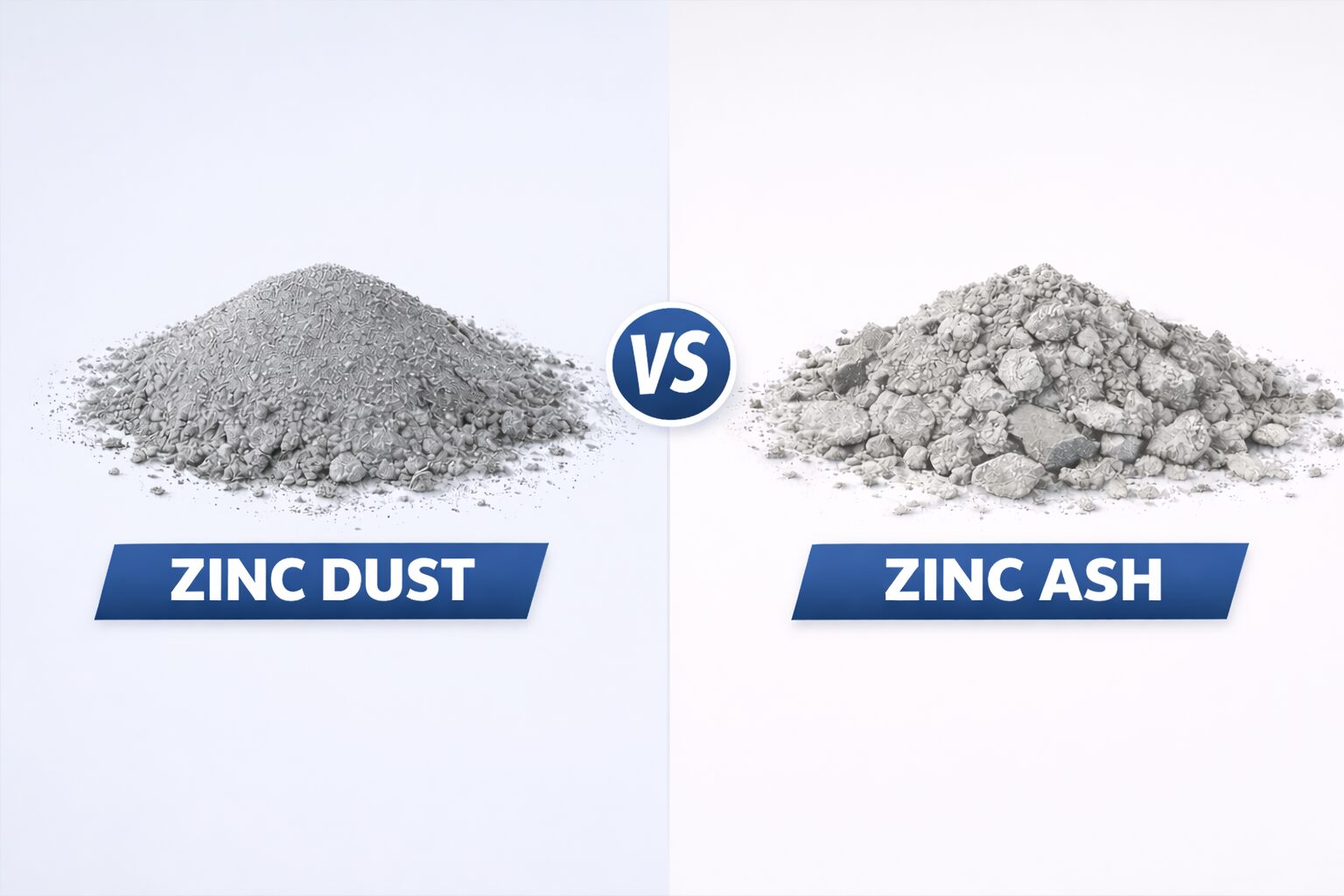
In the zinc processing and galvanizing industry, Zinc Ash and Zinc Dust are two materials that may sound similar but differ significantly in composition, production, and industrial applications. Understanding these differences is essential for industries aiming to optimize material usage, improve cost efficiency, and support sustainable practices.
What is Zinc Dust?
Zinc Dust is a fine, highly purified metallic powder produced by condensing zinc vapors. Due to its high metallic zinc content and excellent conductivity, it plays a critical role in protective applications.
Key Characteristics:
- High purity and metallic zinc content
- Fine particle size
- Excellent electrical conductivity
- Strong anticorrosive properties
Common Applications:
- Anticorrosive paints and coatings
- Galvanic protection for steel structures
- Chemical and pharmaceutical uses
- Battery and metallurgical applications
Zinc dust is especially valued in protective coatings, where it acts as a sacrificial layer to prevent rust and corrosion on steel surfaces, making it ideal for infrastructure, marine, and industrial environments.
What is Zinc Ash?
Zinc Ash is a byproduct generated during the hot-dip galvanizing process. It forms when molten zinc reacts with oxygen in the air, resulting in a mixture of zinc oxide and metallic zinc.
Key Characteristics:
- Contains both zinc oxide and metallic zinc
- Lower purity compared to zinc dust
- Byproduct of galvanizing operations
Common Applications:
- Raw material for zinc recovery processes
- Production of zinc-based chemicals
- Manufacturing of active zinc oxide
- Use in rubber, ceramics, and chemical industries
Rather than being used directly in coatings, zinc ash is typically reprocessed and refined to extract valuable zinc content, contributing to resource efficiency and recycling within the industry.
Key Differences Between Zinc Ash and Zinc Dust
| Feature | Zinc Dust | Zinc Ash |
|---|---|---|
| Origin | Manufactured from zinc vapor | Byproduct of galvanizing |
| Purity | High metallic purity | Mixed composition (oxide + metal) |
| Form | Fine powder | Coarse/irregular particles |
| Primary Use | Anticorrosive coatings | Raw material for zinc recovery |
| Value | High-performance industrial material | Recyclable intermediate material |
Why This Difference Matters
Recognizing the distinction between zinc dust and zinc ash helps industries:
- Select the right material for specific applications
- Reduce costs through efficient material usage
- Enhance sustainability by promoting recycling and recovery
- Improve product performance, especially in corrosion protection
Gimpex Pvt. Ltd.’s Approach
At Gimpex Pvt. Ltd., we emphasize responsible sourcing, efficient utilization, and sustainable processing of zinc-based materials. By leveraging industry expertise and advanced practices, we support diverse industrial applications while ensuring optimal value recovery across the zinc supply chain.
Conclusion
While Zinc Dust and Zinc Ash may originate from the same metal, their properties, uses, and industrial roles are entirely different. Zinc dust serves as a high-performance material for protection and conductivity, whereas zinc ash plays a crucial role in resource recovery and chemical production.
Understanding these differences allows businesses to make informed decisions, improve operational efficiency, and contribute to a more sustainable industrial ecosystem.