The Role of Specialized Minerals in Safe & Efficient Oil Exploration
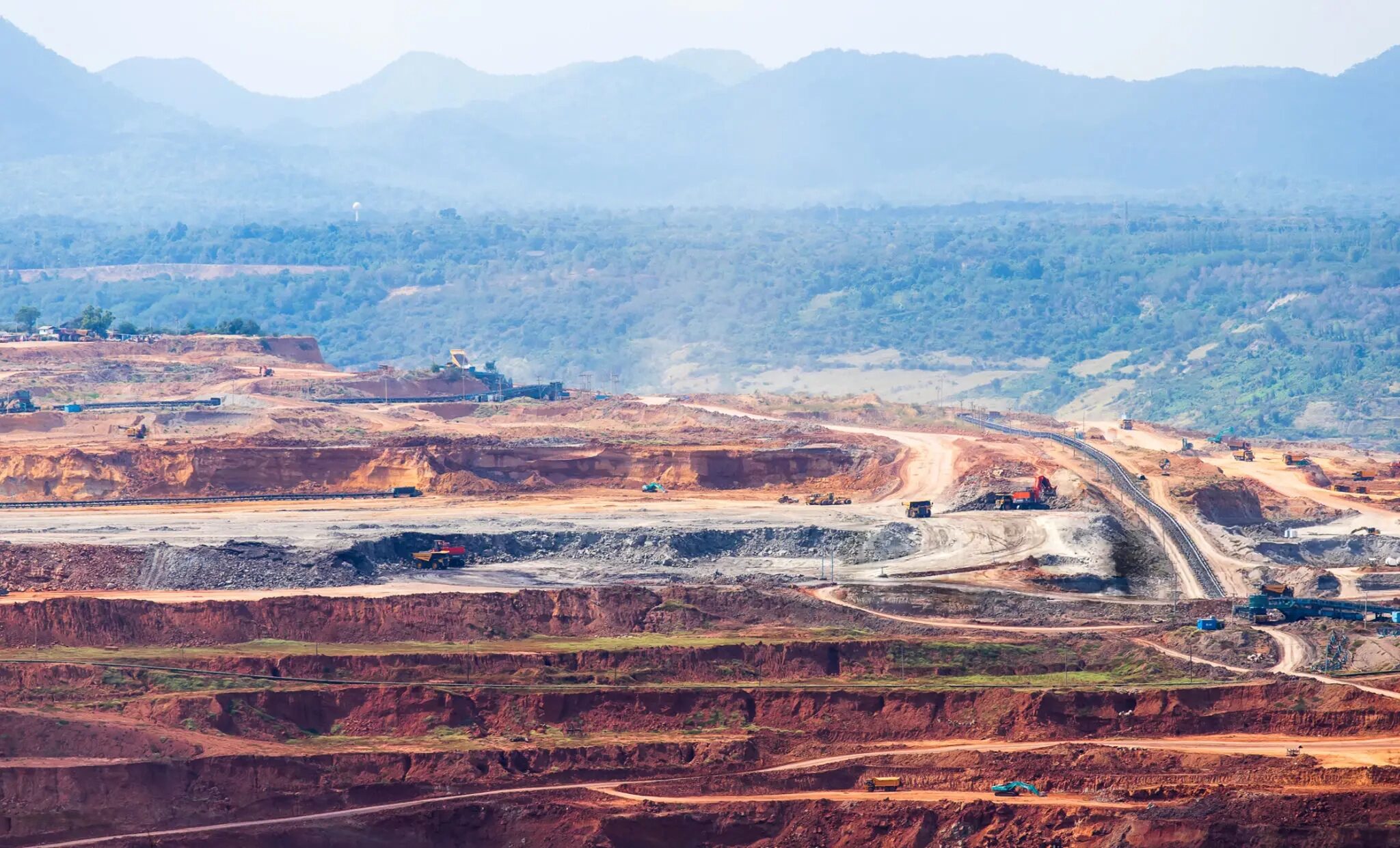
Mining plays a vital role in supporting modern infrastructure, industry, and economic growth. However, it also comes with a responsibility to manage environmental and social impacts carefully. At Gimpex Pvt. Ltd., we believe that sustainable mining is not just an obligation—it is a commitment to future generations.
The extraction of lateritic ores, while essential, presents a range of environmental and operational challenges. Addressing these effectively requires a balance between resource utilization, ecological preservation, and community well-being.
Key Challenges in Lateritic Ore Extraction
Erosion & Sedimentation
The removal of vegetation and topsoil during mining operations exposes the land to natural elements such as wind and rain. This can accelerate soil erosion, leading to sediment buildup in nearby rivers, lakes, and streams. Over time, sedimentation can disrupt aquatic ecosystems, reduce water quality, and affect biodiversity.
Water Contamination
Mining processes, particularly leaching, can result in the release of acidic and metal-rich water. If not properly managed, this runoff may contaminate surrounding water bodies, posing risks to both ecosystems and human populations that depend on these water sources.
Biodiversity Impact
Large-scale land clearing can significantly alter natural habitats. This often leads to the displacement of wildlife, loss of plant species, and fragmentation of ecosystems. Protecting biodiversity requires careful planning and mitigation strategies throughout the mining lifecycle.
Deforestation
Open-pit mining frequently involves clearing forested areas, which contributes to deforestation. This not only affects carbon sequestration but also disrupts ecological balance, impacting flora, fauna, and local climate conditions.
Airborne Dust
Mining and transportation activities generate dust particles that can affect air quality. Prolonged exposure to dust may have health implications for workers and nearby communities, making dust control measures a critical aspect of responsible operations.
Rehabilitation Challenges
Restoring mined land to its original or a usable state is a complex process. It involves soil stabilization, contouring, and reintroducing native vegetation. Successful rehabilitation requires long-term planning and continuous monitoring.
Social Impacts
Mining activities can influence the lives of local communities. Issues such as displacement, changes in land use, and disruption of traditional livelihoods must be addressed with sensitivity and inclusivity. Building trust and ensuring community participation are essential for sustainable development.
Our Commitment to Responsible Mining
At Gimpex Pvt. Ltd., sustainability is at the core of our operations. We are committed to:
- Minimizing environmental impact through efficient resource management
- Implementing advanced technologies for pollution control and monitoring
- Promoting land rehabilitation and ecological restoration
- Ensuring safe and healthy working conditions
- Engaging with local communities to support their development and well-being
- Upholding ESG (Environmental, Social, and Governance) principles in every aspect of our business
Moving Toward a Sustainable Future
Responsible mining is a continuous journey that demands innovation, accountability, and collaboration. By integrating environmental care with operational excellence, Gimpex strives to create a model where economic progress and ecological preservation go hand in hand.
Together, we can build a future where mining supports growth while safeguarding the planet.