
Barite Demand in 2026: Supporting the Evolving Global Oil and Gas Exploration Industry
Global oil and gas exploration continues to evolve in 2026, with exploration companies expanding activity across established producing regions as well as emerging opportunities. As drilling activity develops, the demand for essential drilling minerals remains closely connected to the performance of the oil and gas industry. Among these minerals, barite continues to play an important role because of its use in drilling fluids and its ability to support safe and controlled drilling operations.
For drilling contractors, exploration companies and oilfield service providers, the availability of consistent-quality drilling minerals is an important part of maintaining operational efficiency. With drilling projects becoming increasingly complex, reliable mineral sourcing can contribute to smoother supply chains and dependable well-development operations.
What Is Barite?
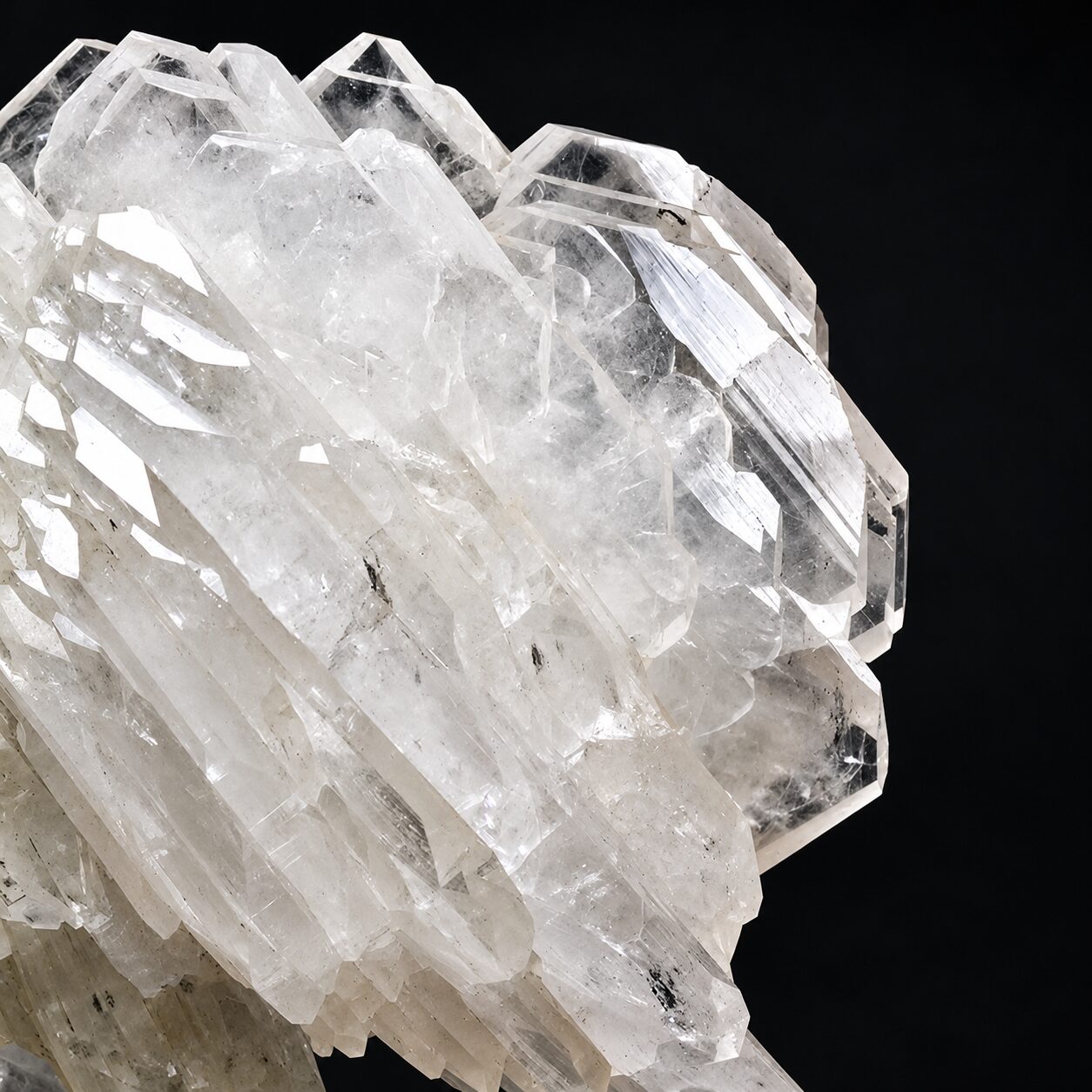
Barite is a naturally occurring mineral primarily composed of barium sulfate (BaSO₄). It is valued across several industrial applications, but one of its most important uses is in the oil and gas sector.
The mineral has a high specific gravity, making it particularly suitable for use as a weighting agent in drilling fluids. By increasing the density of drilling mud, barite helps drilling teams manage pressure conditions encountered during the drilling process.
Its physical properties and relatively high density make barite an essential mineral for many drilling operations worldwide.
Why Is Barite Important in Drilling Fluids?
Drilling fluids perform several critical functions during oil and gas well construction. They help remove rock cuttings, cool and lubricate drilling equipment and maintain pressure within the wellbore.
One of the most important roles of barite is to increase drilling-fluid density. Proper fluid density helps counteract formation pressures encountered while drilling. Maintaining the right pressure balance is essential for well control and operational safety.
As exploration moves into deeper formations and technically challenging environments, effective drilling-fluid management becomes increasingly important. This keeps barite closely connected to drilling activity and oilfield development.
Barite as a Weighting Agent
The high density of barite makes it one of the most widely used weighting materials in drilling fluids.
When added to drilling mud, barite increases its density without requiring excessive quantities of other materials. This allows drilling operators to adjust fluid properties according to the geological and pressure conditions encountered during well construction.
Maintaining suitable drilling-fluid density can help reduce the risk of unwanted formation-fluid influx and support controlled drilling operations. For this reason, consistent-quality barite remains an important input for oilfield drilling applications.
Supporting Formation Pressure Control
Formation pressure can vary significantly depending on geological conditions and drilling depth. If drilling-fluid pressure is not appropriately managed, drilling operations can face challenges related to well control and stability.
Barite helps operators increase drilling-fluid weight to achieve the required hydrostatic pressure within the wellbore. This makes it an important component of drilling-fluid systems used across oil and gas exploration and production activities.
The ability to manage drilling-fluid density effectively becomes particularly important as operators pursue increasingly complex wells and challenging geological formations.
Growing Oil and Gas Exploration and Barite Demand
Barite demand is closely associated with drilling activity because of its central role in drilling-fluid formulations. When exploration and well-development activity increases, the requirement for drilling fluids and their constituent materials can also rise.
In 2026, oil and gas companies continue to balance production requirements, exploration opportunities, energy security considerations and technological developments. Exploration is taking place across both mature producing regions and emerging areas, creating varying requirements for drilling materials.
Offshore exploration, unconventional resources, redevelopment of existing fields and new well construction can all contribute to demand for drilling-related minerals.
This relationship means that changes in global drilling activity can influence the requirements for barite across different markets.
Importance of Consistent-Quality Barite
For oilfield applications, quality consistency is an important consideration. Drilling operations require materials that meet appropriate technical specifications and perform reliably within drilling-fluid systems.
Factors such as specific gravity, particle characteristics, chemical composition and overall consistency can influence the suitability of barite for particular applications. Reliable sourcing helps buyers maintain predictable material performance and manage operational requirements.
For companies involved in global drilling supply chains, dependable access to suitable barite can therefore be an important part of procurement planning.
Barite and Efficient Well Operations
The role of barite extends beyond simply increasing drilling-fluid density. By supporting appropriate mud-weight management, it contributes to the broader objective of maintaining controlled and efficient drilling operations.
Well construction involves multiple technical and operational challenges, including changing formation pressures, geological variability and equipment requirements. Drilling-fluid properties must be carefully managed throughout the process.
A dependable supply of suitable barite allows drilling-fluid manufacturers and oilfield service companies to maintain the materials required for these applications.
Opportunities Across Global Markets
The global oil and gas industry operates across a wide range of geological environments and regional markets. Established oil-producing countries continue to develop existing fields, while emerging regions may create new exploration and drilling opportunities.
This geographic diversity creates opportunities for suppliers of essential industrial minerals. However, serving international markets also requires attention to sourcing, quality consistency, logistics and supply reliability.
For mineral suppliers, understanding the requirements of downstream industries is therefore essential to building dependable long-term supply relationships.
The Role of Reliable Mineral Supply
As oil and gas exploration evolves, supply-chain reliability is becoming increasingly important. Delays in the availability of essential drilling materials can affect procurement schedules and operational planning.
Reliable sourcing can help businesses manage their inventory requirements and maintain continuity across their supply chains. For minerals such as barite, suppliers that can provide consistent material quality and dependable delivery support can become valuable partners for industrial customers.
This is particularly relevant when drilling activity expands across multiple regions and projects require coordinated mineral supply.
Barite Demand Outlook in 2026
The outlook for barite remains closely connected to global drilling and well-development activity. While oil and gas markets continue to experience structural changes, exploration and production operations remain important consumers of drilling minerals.
The development of new wells, expansion of exploration programs and continued activity in established oil and gas regions can support ongoing demand for barite.
At the same time, buyers are increasingly focused on dependable sourcing, consistent quality and supply-chain efficiency. These factors can shape procurement decisions alongside price and availability.
As the oil and gas industry continues to evolve, barite is expected to remain an important mineral for drilling-fluid applications.
Gimpex Pvt Ltd: Supporting Industrial Mineral Supply
At Gimpex Pvt Ltd, we focus on reliable sourcing and supply of industrial minerals to support the evolving requirements of global industries.
For applications connected to oil and gas exploration, dependable access to suitable minerals is an important part of maintaining efficient supply chains. Our approach focuses on supporting customers with reliable mineral sourcing and supply solutions aligned with their industrial requirements.
As exploration and drilling activities continue to evolve in 2026, the importance of dependable industrial mineral supply remains clear. Barite, with its established role in drilling fluids and formation-pressure management, continues to be an important mineral supporting oil and gas well operations.
Conclusion
The connection between barite and oil and gas exploration is built around the mineral’s essential role in drilling-fluid systems. Its high density makes it valuable as a weighting agent, helping operators manage formation pressure and support controlled drilling operations.
As exploration expands across established and emerging regions, the demand for reliable drilling materials will remain closely linked to well-development activity. Consistent-quality barite and dependable supply chains can therefore play an important role in supporting the global oil and gas industry.
Latest Posts
- Zinc Ash and Zinc Dross: Driving Sustainable Zinc Recovery Through Secondary Resources
- Mill Scale in Steel Production: A Valuable Secondary Raw Material for Sustainable Ironmaking
- India’s Infrastructure Growth: Driving Long-Term Demand for Industrial Limestone
- India’s Steel Capacity Expansion: What It Means for Iron Ore and Pellet Suppliers
- Building Lighter, More Efficient and High-Performance Concrete