Why High-Calcium Limestone Matters for Manufacturing
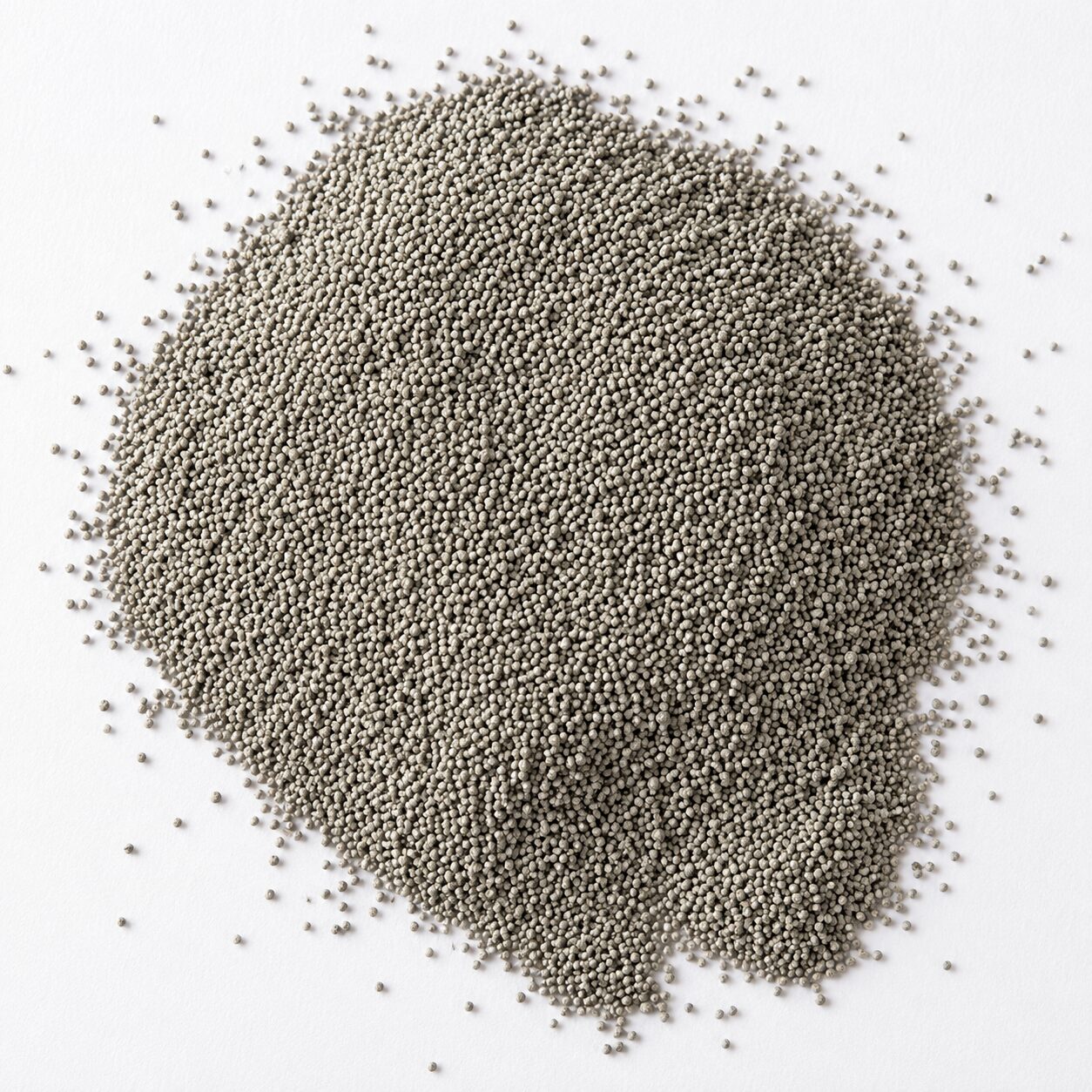
High-calcium limestone is one of the most important industrial minerals used across manufacturing and processing industries. With its high calcium carbonate content and versatile properties, limestone plays a critical role in applications ranging from steel and cement production to glass manufacturing, chemicals, and environmental protection.
As industries continue to focus on product quality, operational efficiency, and sustainable manufacturing, the demand for consistent and reliable industrial minerals is increasing. High-calcium limestone is particularly valuable because it provides a dependable source of calcium and performs essential functions in several industrial processes.
For manufacturers, selecting the right quality of limestone is not simply a matter of raw-material procurement. Chemical composition, calcium carbonate content, purity, particle size, moisture, and consistency can all influence process efficiency and final product quality.
What Is High-Calcium Limestone?
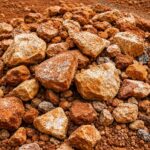
High-calcium limestone is a naturally occurring carbonate rock primarily composed of calcium carbonate (CaCO₃). Compared with other limestone varieties, it contains a higher proportion of calcium carbonate and relatively lower levels of impurities such as magnesium, silica, iron, and other minerals.
This composition makes high-calcium limestone particularly suitable for industries where calcium content and chemical consistency are important.
Depending on the application, limestone may be crushed, screened, ground, or processed into different particle sizes. Manufacturers select the appropriate grade according to their production requirements and processing conditions.
Why Quality Matters in Industrial Applications
In large-scale manufacturing, raw materials directly influence production performance. Inconsistent limestone quality can affect chemical reactions, energy consumption, furnace performance, and the quality of the finished product.
High-quality high-calcium limestone offers greater consistency in calcium content and helps manufacturers maintain stable production conditions. Reliable specifications also make it easier for industrial users to control their processes and meet required product standards.
For industries operating continuously, dependable sourcing is equally important. A consistent supply of suitable limestone helps reduce procurement risks and supports uninterrupted production.
High-Calcium Limestone in the Steel Industry
The steel industry is one of the major consumers of limestone. In steelmaking, limestone is primarily used as a flux during the production process.
When heated, limestone decomposes to form lime, which reacts with impurities present in the raw materials. The resulting slag helps separate unwanted components from molten iron and steel.
This fluxing function makes limestone an important part of efficient steel production. High-quality limestone can contribute to effective slag formation and help support the removal of impurities.
The quality and chemical composition of the limestone are important because steelmaking processes require controlled raw-material inputs. Consistent calcium content can help manufacturers maintain predictable process conditions.
As global demand for steel continues across construction, infrastructure, automotive, engineering, and manufacturing sectors, the requirement for dependable industrial minerals such as high-calcium limestone remains significant.
Importance of Limestone in Cement Manufacturing
Cement production is another major application for limestone. Limestone serves as the primary source of calcium needed to manufacture clinker, the key intermediate material used in cement production.
During cement manufacturing, limestone is crushed and blended with other raw materials before being heated at high temperatures in a kiln. The calcium-containing material participates in the chemical reactions that produce clinker.
Because limestone forms such a significant part of the cement raw mix, its chemical characteristics are important for maintaining consistent clinker quality. Appropriate calcium content and controlled levels of impurities can support efficient production and help manufacturers achieve the desired cement composition.
With continuing investment in infrastructure, housing, roads, bridges, and commercial construction, cement manufacturing remains an important market for industrial limestone.
Role in Glass Manufacturing
Limestone also contributes to glass manufacturing. Calcium carbonate can be used as a source of calcium oxide in glass formulations.
Calcium oxide helps improve the stability and durability of certain types of glass. By supporting the chemical balance of the glass batch, limestone can contribute to consistent manufacturing performance.
For glass producers, raw-material consistency is essential because variations in composition can affect melting behavior, product quality, and overall process control.
The use of suitable high-calcium limestone therefore helps manufacturers maintain the required formulation and performance characteristics of their glass products.
Applications in the Chemical Industry
High-calcium limestone is also an important raw material for several calcium-based chemical products and industrial processes.
Calcium carbonate and calcium oxide derived from limestone are used in a range of applications, including chemical processing, water treatment, construction materials, and other industrial formulations.
The purity of limestone becomes particularly important in applications where the presence of unwanted minerals can affect chemical reactions or the properties of the final product.
For chemical manufacturers, sourcing limestone with consistent specifications can therefore help support better process control and dependable product quality.
Environmental Applications: Flue Gas Desulfurization
One of the important environmental applications of limestone is flue gas desulfurization (FGD).
FGD systems are used to reduce sulfur dioxide (SO₂) emissions from industrial flue gases, particularly in certain power-generation and industrial facilities. Limestone can be used as a reagent in wet scrubber systems, where it reacts with sulfur dioxide and helps convert it into calcium-based compounds.
This application demonstrates how an industrial mineral can support both manufacturing operations and environmental management.
As industries continue to focus on emissions reduction and regulatory compliance, limestone-based environmental applications remain relevant in facilities where flue gas treatment systems are required.
Factors to Consider When Sourcing High-Calcium Limestone
Choosing the right limestone supplier requires more than simply comparing prices. Manufacturers should consider the chemical composition and physical characteristics of the material to ensure that it matches their specific application.
Calcium carbonate content is one of the key parameters, while levels of silica, magnesium, iron, moisture, and other impurities may also be important depending on the industry.
Particle size and consistency can also influence handling and processing. A reliable supplier should be able to provide material according to agreed specifications and maintain consistency across shipments.
Supply reliability is another critical consideration. Delays in raw-material delivery can affect production schedules and increase operational costs. Working with an experienced mineral supplier can help manufacturers build a more dependable supply chain.
Supporting Efficient Manufacturing Through Reliable Mineral Supply
The importance of high-calcium limestone extends beyond its individual industrial applications. It is part of a broader manufacturing supply chain where raw-material quality, consistency, and availability directly influence operational performance.
Steel producers require limestone for effective fluxing. Cement manufacturers depend on it as a major source of calcium. Glass and chemical industries use calcium-based materials for specific formulations and processes, while environmental applications utilize limestone for emission-control systems.
Across these sectors, dependable access to suitable-quality limestone can help manufacturers maintain stable operations and meet production requirements.
Gimpex Pvt Ltd: Reliable Sourcing of Industrial Minerals
At Gimpex Pvt Ltd, we understand the importance of reliable industrial mineral supply for manufacturing industries. We focus on sourcing and supplying quality mineral materials that meet the requirements of industrial buyers.
Our approach emphasizes consistent quality, dependable sourcing, and supply-chain reliability. By understanding the requirements of different industries, we support customers in identifying suitable mineral solutions for their applications.
High-calcium limestone is an essential industrial mineral with applications spanning steel, cement, glass, chemicals, and environmental management. As manufacturing industries continue to evolve, the need for reliable, consistent, and application-specific mineral supplies will remain important.
For manufacturers looking to strengthen their raw-material supply chain, choosing the right limestone grade and a dependable supply partner can make a meaningful difference to production consistency and operational efficiency.
Conclusion
High-calcium limestone plays a fundamental role in modern manufacturing. Its ability to provide a reliable source of calcium makes it valuable across diverse industries, from steel and cement to glass, chemicals, and environmental applications.
As industries increasingly prioritize efficiency, consistency, and responsible production, the importance of high-quality industrial minerals continues to grow. Reliable sourcing of high-calcium limestone can help manufacturers maintain stable processes, support product quality, and strengthen their overall supply chains.
With dependable sourcing and a focus on quality, Gimpex Pvt Ltd supports industrial customers with mineral supply solutions designed to meet the demands of modern manufacturing.