Industrial Applications Driving Zinc By-Product Consumption
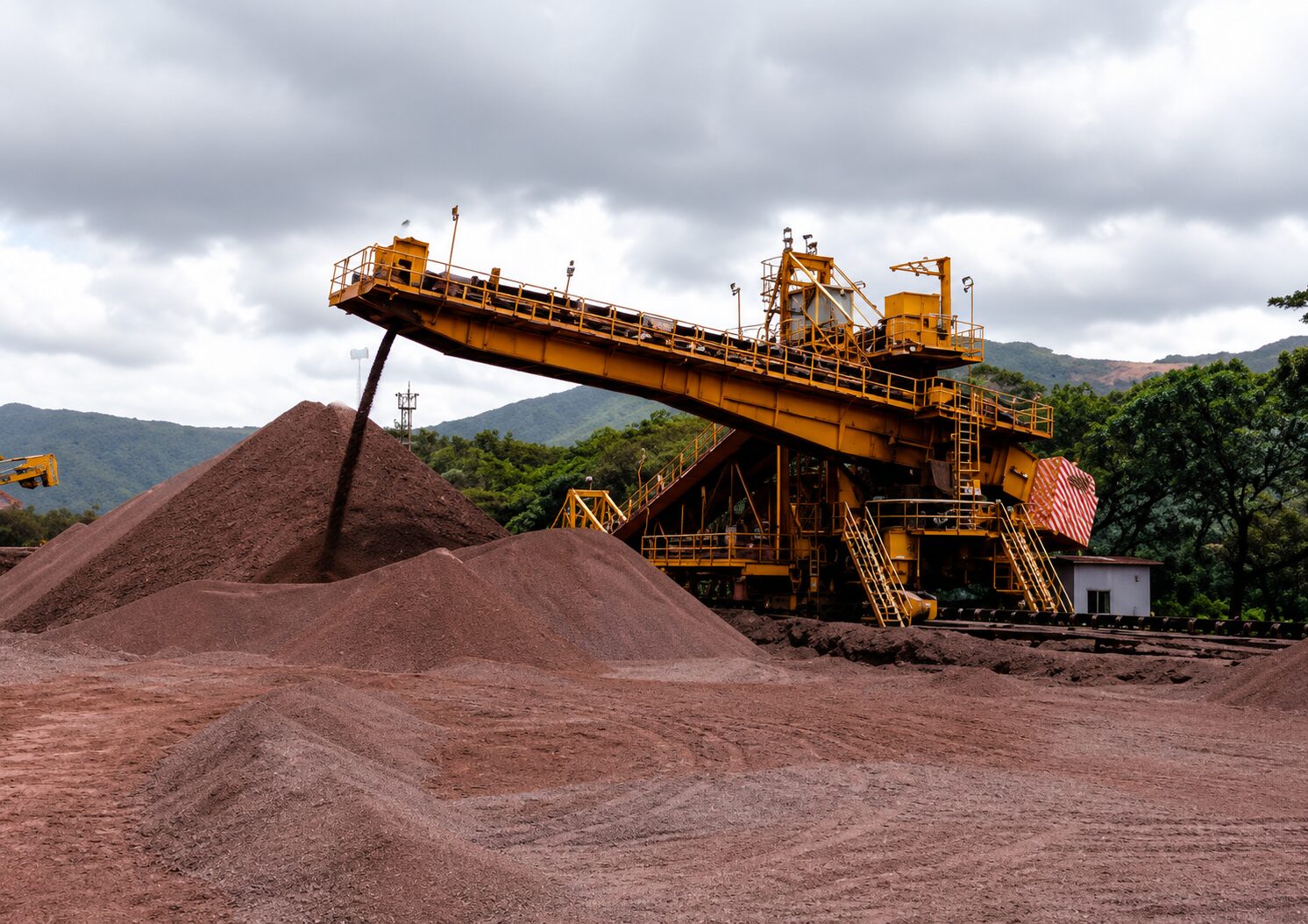
Zinc by-products are becoming increasingly valuable across modern industries as manufacturers look for ways to improve resource efficiency, reduce production costs, and support sustainable operations. Materials generated during zinc processing, metal production, galvanizing, and other industrial activities can often be recovered, processed, and reused instead of being treated as waste.
The growing emphasis on circular economy practices is creating new opportunities for zinc by-products in several industrial applications. From metal and steel manufacturing to chemical processing, fertilizers, and zinc recovery, these materials are finding applications that contribute to both economic and environmental efficiency.
Metal & Steel Industry
The metal and steel industry is one of the important areas where zinc-containing by-products can provide value. Zinc by-products generated during metal processing may contain useful levels of zinc and other recoverable materials, making them suitable for further processing and recovery.
Steel manufacturing and galvanizing operations generate zinc-bearing residues and secondary materials. Instead of disposing of these materials, industries can utilize suitable recovery processes to extract valuable zinc. This approach helps reduce dependence on primary zinc resources while improving material utilization.
For manufacturers, the use of secondary zinc sources can also contribute to more efficient raw material management and potentially lower input costs.
Chemical & Rubber Applications
Zinc compounds are widely used in chemical and rubber manufacturing because of their functional properties. Zinc-containing materials can serve as sources for producing specific zinc-based compounds used in industrial formulations.
In the rubber industry, zinc-based materials play an important role in vulcanization and manufacturing processes. Zinc oxide, for example, is widely used as an activator in rubber production. As manufacturers increasingly explore alternative and recycled raw material sources, suitable zinc by-products can create opportunities for recovering zinc for downstream applications.
The growing demand for cost-effective and resource-efficient production methods is encouraging industries to examine secondary raw materials as part of their sourcing strategies.
Fertilizer & Micronutrient Solutions
Zinc is an essential micronutrient required for healthy plant growth, making it an important component in agricultural and fertilizer applications. Zinc-based micronutrient products are used to address zinc deficiencies in soils and crops.
Recovered zinc from suitable industrial by-products can potentially serve as a raw material for producing micronutrient solutions, subject to appropriate processing and quality requirements. This creates an opportunity to connect industrial resource recovery with agricultural applications.
As agriculture increasingly focuses on improving nutrient efficiency and crop productivity, demand for zinc-based micronutrient products continues to support the importance of reliable zinc resources.
Zinc Recovery & Recycling
One of the most significant opportunities for zinc by-products lies in zinc recovery and recycling. Instead of allowing zinc-containing residues to enter waste streams, specialized processing technologies can recover valuable zinc for reuse.
Recycling zinc-containing materials supports the circular economy by keeping valuable resources in productive use for longer. It can also reduce the environmental impact associated with extracting and processing additional primary resources.
Efficient recovery depends on factors such as zinc concentration, material composition, contamination levels, particle size, and the intended end application. Therefore, proper identification, processing, and quality assessment are essential for maximizing the value of zinc by-products.
Sustainable Manufacturing
Sustainability is becoming an increasingly important factor in industrial procurement and manufacturing decisions. Companies are looking beyond traditional raw materials and exploring secondary resources that can help reduce waste and improve resource efficiency.
Zinc by-products align well with this approach. Their recovery and reuse can help industries reduce material wastage, improve resource utilization, and support more circular production systems.
For businesses, sustainable sourcing is not only an environmental consideration but can also provide economic benefits through improved material efficiency and alternative raw material opportunities.
Growing Opportunities for Zinc By-Product Utilization
The expanding use of zinc by-products reflects a broader shift toward resource-efficient industrial production. As industries seek reliable, cost-effective, and sustainable raw material solutions, secondary zinc resources are expected to attract increasing attention.
The opportunities extend beyond simple recycling. With suitable processing and quality control, zinc-containing by-products can become valuable inputs for metal recovery, chemical manufacturing, rubber production, fertilizer applications, and other industrial processes.
For suppliers and industrial buyers, understanding the composition, quality, availability, and potential applications of zinc by-products is essential for developing effective sourcing and utilization strategies.
Gimpex Pvt Ltd: Supporting Industrial Mineral Supply
At Gimpex Pvt Ltd, we understand the importance of reliable sourcing and consistent-quality industrial mineral products for modern industries. Our focus on responsible material supply helps industrial buyers explore practical raw material solutions aligned with their production and sustainability requirements.
As demand for secondary resources continues to grow, zinc by-products represent an important opportunity for industries looking to combine cost efficiency, resource recovery, and sustainable manufacturing.
The future of zinc by-products is closely connected to the growth of recycling, recovery technologies, and circular industrial practices. As these applications continue to expand, zinc by-products can play an increasingly important role in creating value from industrial resources that were previously considered waste.