Why Pelletizing Grade Bentonite Remains in High Demand
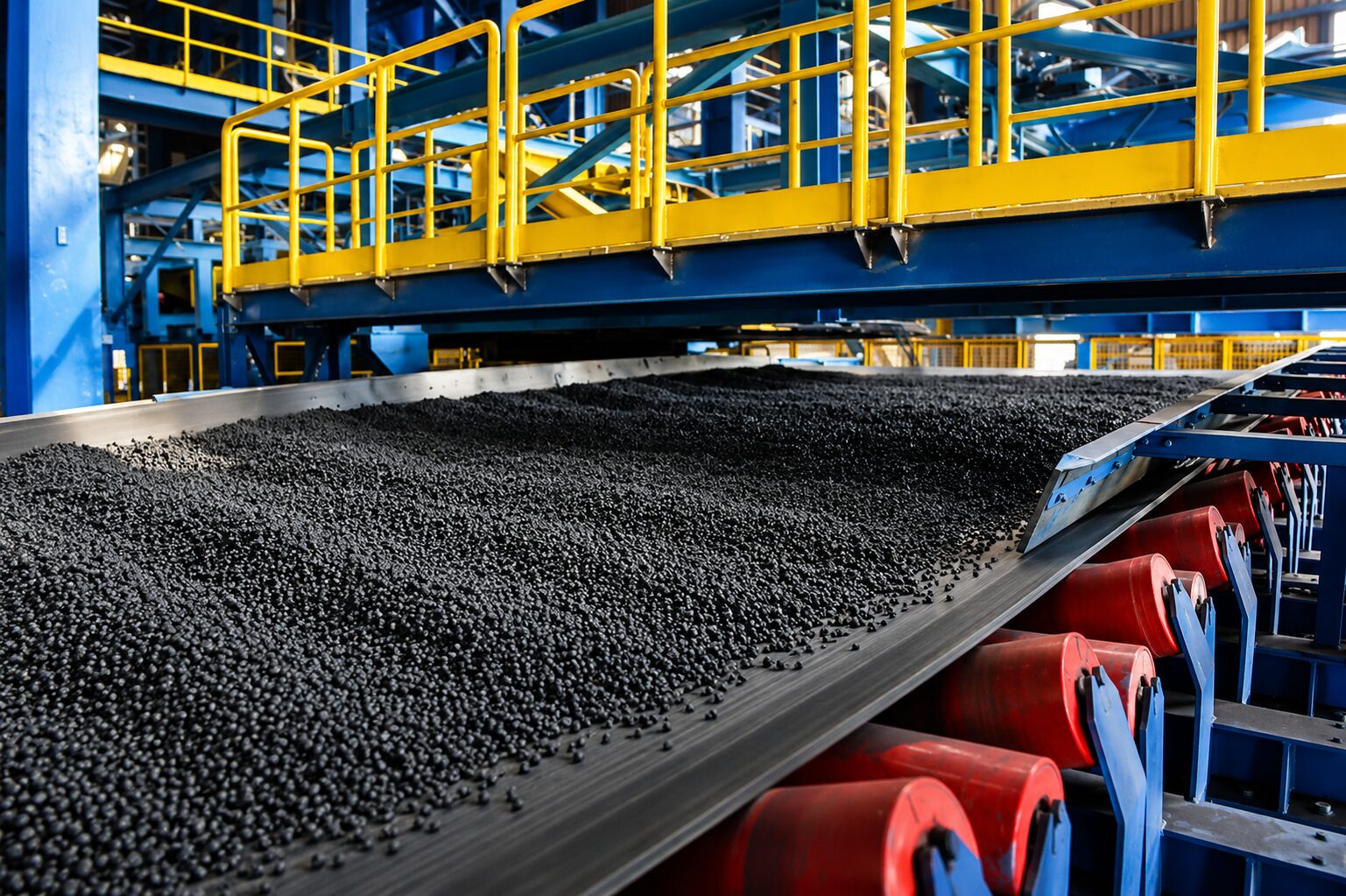
The global steel industry continues to depend on efficient and reliable raw material processing to meet the growing demand for high-quality steel products. Among the materials that play an important role in iron ore processing, pelletizing grade bentonite remains highly valuable. It acts as an effective binding agent during iron ore pellet production, helping transform fine iron ore particles into strong, stable pellets that can be efficiently handled, transported, and processed.
As steel manufacturers increasingly focus on improving productivity, reducing material losses, and maintaining consistent pellet quality, the demand for high-performance bentonite continues to grow. Its unique binding properties make it an essential industrial mineral for modern pelletizing operations.
What Is Pelletizing Grade Bentonite?
Bentonite is a naturally occurring clay mineral known for its excellent swelling, binding, and water-absorption properties. Pelletizing grade bentonite is specifically selected and processed for use in iron ore pellet production.
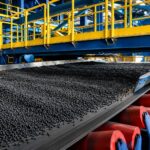
During the pelletizing process, finely ground iron ore concentrate is mixed with a small quantity of bentonite and moisture. The bentonite helps bind the fine particles together, allowing them to form green pellets. These pellets are subsequently dried and hardened through thermal treatment to produce strong iron ore pellets suitable for use in steelmaking.
The quality and performance of the bentonite used can directly influence pellet strength, durability, moisture control, and overall process efficiency.
Strong Binding Performance
One of the primary reasons pelletizing grade bentonite remains in high demand is its strong binding capability. Iron ore concentrates contain very fine particles that need an effective binder to form stable green pellets.
Bentonite helps hold these particles together during pellet formation, providing the necessary cohesion before the pellets undergo drying and firing. A reliable binder can contribute to better pellet formation and reduce the risk of pellets breaking apart during subsequent processing stages.
Consistent binding performance is particularly important for large-scale pelletizing plants where even small variations in raw material performance can affect production efficiency.
Improved Pellet Quality
High-quality iron ore pellets need to withstand handling, transportation, and processing without excessive breakage. Pelletizing grade bentonite contributes to the formation of stronger and more stable pellets.
When the appropriate grade and dosage are used, bentonite can improve green pellet strength and support the development of durable pellets during the hardening process. Better pellet quality can help steel manufacturers maintain smoother material handling and consistent feed characteristics for downstream operations.
For this reason, selecting the right bentonite is an important consideration for pellet producers seeking reliable production performance.
Reduced Pellet Breakdown
Pellet breakdown can result in material losses, increased fines, handling challenges, and reduced process efficiency. Weak pellets may break during screening, transportation, storage, or charging into furnaces.
Pelletizing grade bentonite helps improve the cohesion of iron ore particles, reducing the likelihood of excessive pellet breakdown. Stronger pellets are better able to withstand mechanical stresses throughout the supply and production chain.
By supporting pellet durability, bentonite can contribute to more efficient material utilization and help minimize unnecessary generation of fines.
Supporting Efficient Pelletizing Operations
Efficiency is a major priority for modern steel manufacturers. Pelletizing plants require raw materials that perform consistently under controlled production conditions.
Pelletizing grade bentonite supports the formation of uniform green pellets and contributes to stable pelletizing operations. Its interaction with moisture and iron ore particles makes it an important component of the pelletizing mix.
Consistent mineral quality is especially important because variations in properties such as swelling capacity, moisture content, and binding performance can influence pellet formation and plant performance.
Using a dependable source of pelletizing grade bentonite can therefore help manufacturers maintain greater consistency across production batches.
Growing Demand from the Steel Industry
The continued development of the global steel industry is an important factor supporting demand for pelletizing grade bentonite. As steel producers seek efficient methods for utilizing iron ore concentrates and improving the quality of furnace feed materials, iron ore pellet production remains an important part of the supply chain.
The increasing focus on process efficiency, resource utilization, and consistent raw material quality is creating continued opportunities for high-performance pelletizing additives.
At the same time, steel manufacturers are placing greater emphasis on reliable sourcing. A consistent supply of suitable bentonite is essential for maintaining uninterrupted pellet production and meeting production requirements.
Why Bentonite Quality Matters
Not all bentonite performs the same way in pelletizing applications. Mineral composition, swelling characteristics, particle size, moisture content, and binding properties can influence its effectiveness.
For pellet producers, the objective is not simply to use bentonite but to select a grade that provides the required performance at an appropriate dosage. Consistency from one shipment to another is equally important for maintaining predictable production conditions.
A reliable industrial mineral supplier can therefore become an important part of the pelletizing supply chain by providing materials that meet defined quality requirements and supporting dependable deliveries.
The Role of Reliable Mineral Supply
For steel and iron ore processing companies, supply reliability is just as important as product quality. Delays in raw material deliveries can disrupt production schedules and affect overall operational efficiency.
At Gimpex Pvt. Ltd., we understand the importance of dependable industrial mineral sourcing. We provide quality mineral solutions with a focus on consistent performance, reliable supply, and the requirements of industrial buyers.
Our approach is centered on helping customers source suitable mineral products for their applications while supporting their procurement and supply chain needs.
The Future of Pelletizing Grade Bentonite
As the steel industry continues to evolve, the demand for efficient iron ore processing solutions is expected to remain strong. Pelletizing grade bentonite will continue to play an important role in helping manufacturers convert fine iron ore concentrates into stable and durable pellets.
Its strong binding performance, contribution to pellet quality, ability to reduce breakdown, and role in efficient pelletizing make it an important mineral for modern iron ore processing.
For steel manufacturers and iron ore pellet producers, choosing the right grade of bentonite and working with a dependable supplier can help support consistent production and long-term operational efficiency.
Conclusion
Pelletizing grade bentonite remains in high demand because it addresses one of the fundamental requirements of iron ore pellet production: effectively binding fine particles into strong, stable pellets. From improving pellet quality and reducing breakdown to supporting efficient production, its role extends throughout the pelletizing process.
As steel production continues to grow and manufacturers focus increasingly on productivity and raw material efficiency, the importance of reliable, high-quality bentonite is likely to remain significant.