Why Demand for High-Purity Barite Is Rising in 2026
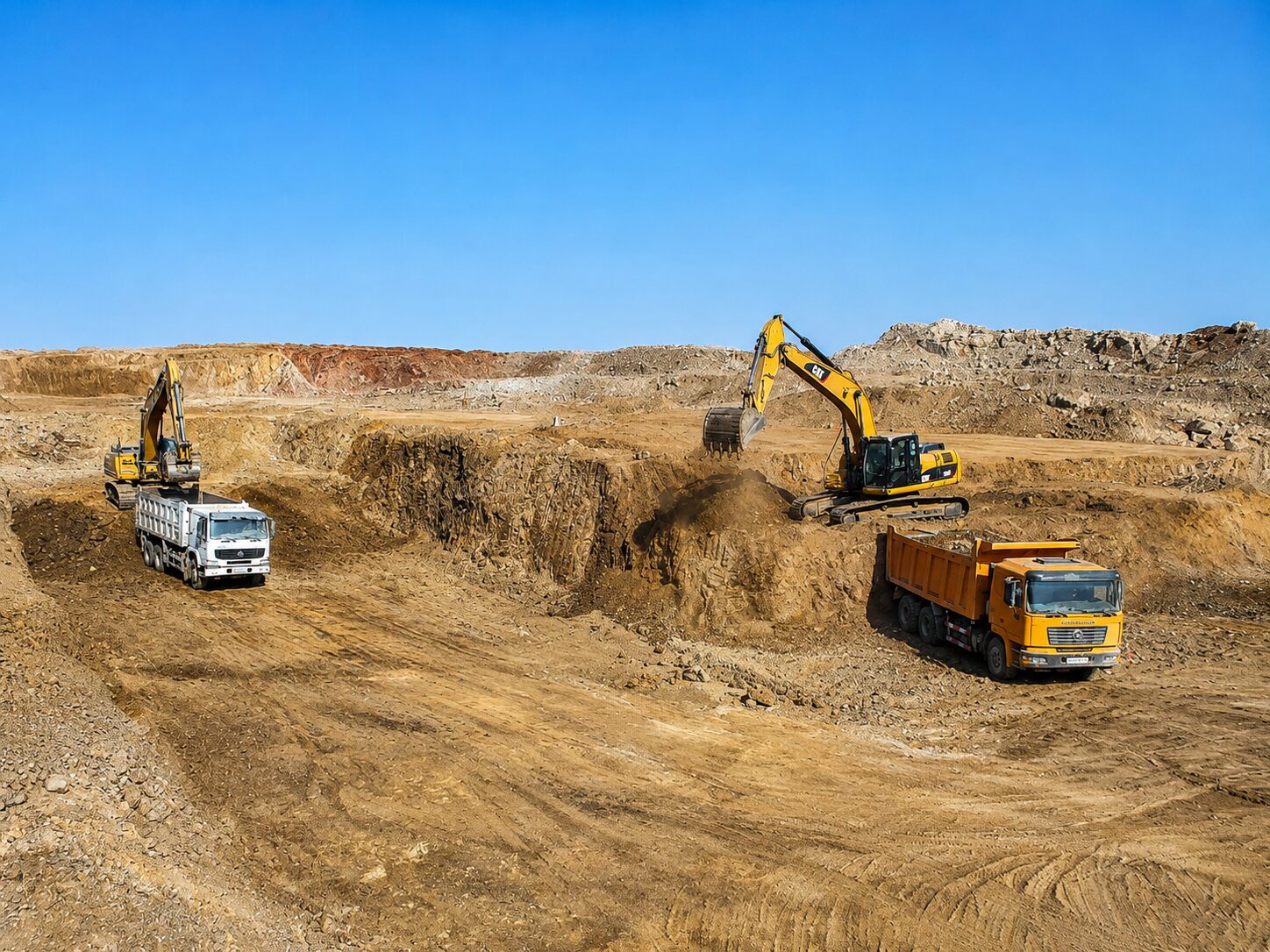
High-purity barite is becoming an increasingly important industrial mineral as industries worldwide place greater emphasis on quality, consistency, performance, and reliable raw material supply. With applications ranging from oil and gas exploration to paints, coatings, chemicals, plastics, rubber, and radiation shielding, barite continues to play a significant role across diverse industrial sectors.
In 2026, the demand for high-purity barite is being influenced not only by increasing industrial consumption but also by changing buyer expectations. Manufacturers and industrial users are looking for minerals with consistent chemical composition, controlled particle size, dependable performance, and reliable supply chains. This shift is creating new opportunities for suppliers capable of meeting stringent quality and delivery requirements.
Understanding High-Purity Barite
Barite is a naturally occurring mineral primarily composed of barium sulfate (BaSO₄). It is known for its high density, chemical stability, and resistance to heat and radiation, making it suitable for a wide range of industrial applications.
While standard-grade barite serves many conventional purposes, high-purity barite is particularly valuable in applications where impurities, particle size variation, or inconsistent material properties can affect the final product.
As industries become more quality-conscious, high-purity grades are gaining attention because they can provide greater consistency and help manufacturers maintain the required performance standards in their products and processes.
Oil & Gas Continues to Drive Barite Demand
The oil and gas industry remains one of the most important consumers of barite. Barite is widely used as a weighting agent in drilling fluids because of its high specific gravity.
During drilling operations, drilling fluids perform several critical functions, including helping control formation pressure, carrying drill cuttings to the surface, and supporting wellbore stability. Barite increases the density of drilling fluids, making it an essential material for many drilling operations.
As exploration and drilling activities continue across different regions, the requirement for reliable drilling-grade barite remains significant. Buyers are increasingly looking for material that meets required specifications consistently, making quality and dependable supply important considerations when sourcing barite.
Growing Use in Paints and Coatings
High-purity barite is also finding continued application in paints and coatings. Its density, chemical stability, and physical characteristics make it useful as a functional filler and extender in various formulations.
In coatings, mineral selection can influence properties such as durability, density, surface finish, and overall formulation performance. As manufacturers develop products for increasingly demanding industrial and commercial environments, consistent-quality mineral inputs become more important.
The growing focus on product performance and formulation consistency is therefore contributing to interest in high-quality barite among paints and coatings manufacturers.
Expanding Industrial Applications
Beyond oil and gas and paints, barite is used in several other industries. Its unique physical and chemical properties make it suitable for applications involving chemicals, plastics, rubber, construction-related products, and specialized materials.
In plastics and rubber manufacturing, barite can be used as a filler to modify density and other physical characteristics of finished products. The demand for specialized formulations and performance-oriented materials is creating opportunities for quality mineral suppliers.
Barite is also used in radiation-shielding applications because of its high density and barium content. This makes it useful in certain specialized construction and industrial environments where radiation attenuation is required.
As industrial applications become more specialized, the importance of selecting barite with suitable purity and particle-size characteristics continues to increase.
Why Quality Is Becoming a Bigger Priority
One of the most important trends shaping the barite market in 2026 is the growing emphasis on quality consistency.
Industrial manufacturers cannot always rely on raw materials that vary significantly from one shipment to another. Variations in purity, particle size, moisture, density, or other characteristics can affect processing conditions and finished-product performance.
For this reason, buyers are increasingly evaluating suppliers based on their ability to provide consistent material specifications over time. High-purity barite with controlled characteristics can help manufacturers maintain more predictable production processes and product quality.
This is particularly important for industries where raw material performance directly affects operational efficiency or final product specifications.
Particle Size and Material Consistency Matter
Purity is only one factor that determines the suitability of barite for an industrial application. Particle size distribution is also an important consideration.
Different applications may require different particle-size specifications depending on processing methods and end-use requirements. Consistent particle size can support better handling, mixing, dispersion, and formulation performance.
As a result, industrial buyers are increasingly seeking suppliers who can provide barite according to defined technical specifications rather than simply purchasing based on mineral name or general grade.
Reliable Supply Chains Are Essential in 2026
The global minerals industry continues to operate within complex supply chains influenced by production capacity, transportation, freight costs, international trade conditions, and changing industrial demand.
For manufacturers, an interruption in the supply of essential raw materials can affect production schedules and customer commitments. This makes supplier reliability an increasingly important factor in procurement decisions.
A strong mineral supply partner should therefore provide more than material alone. Consistent sourcing, quality control, logistics coordination, and dependable delivery all contribute to a more resilient supply chain.
This is one reason why established mineral suppliers with global sourcing and distribution capabilities are becoming increasingly valuable to industrial buyers.
What Is Driving High-Purity Barite Demand in 2026?
Several factors are supporting the growing demand for high-purity barite in 2026. Continued requirements from the oil and gas sector remain an important driver, while applications in paints, coatings, plastics, rubber, chemicals, and specialized industrial products are contributing to broader market demand.
At the same time, manufacturers are becoming more selective about raw material quality. Instead of focusing only on price, buyers are increasingly considering consistency, technical specifications, supply reliability, logistics, and long-term supplier relationships.
This change in procurement priorities is creating a market environment where high-quality and dependable mineral supply can provide significant value to industrial customers.
Gimpex Pvt. Ltd.: Supporting Global Mineral Requirements
At Gimpex Pvt. Ltd., we understand the importance of quality, consistency, and reliable supply in today’s industrial minerals market.
Our approach focuses on supporting industrial buyers with quality mineral solutions designed around evolving market and application requirements. By combining sourcing capabilities with supply-chain expertise, we aim to help customers secure the minerals they need for their manufacturing and industrial operations.
As demand for high-purity barite continues to develop, having a reliable supply partner can help businesses manage procurement requirements more effectively and build greater resilience into their raw material supply chains.
The Future of High-Purity Barite
The outlook for high-purity barite remains closely connected to industrial growth, technological development, and increasing quality expectations across global markets.
As manufacturers continue to seek better-performing and more consistent raw materials, the value of high-purity mineral grades is expected to remain important. Industries will increasingly look for suppliers that can combine material quality with dependable availability, technical consistency, and efficient global logistics.
For buyers, the focus is moving beyond simply sourcing barite toward securing the right quality, reliable supply, and long-term value.
High-purity barite is therefore positioned to remain an important industrial mineral in 2026 and beyond, supporting applications across energy, manufacturing, construction, chemicals, and other specialized sectors.