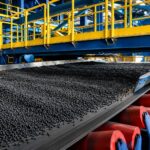
Coal Procurement: A Strategic Decision That Powers Industrial Performance

In today’s competitive industrial environment, coal procurement has evolved into a strategic business function rather than a routine purchasing activity. For industries such as steel, cement, power generation, and manufacturing, the quality, consistency, and timely availability of coal directly influence operational efficiency, production costs, and long-term profitability. As businesses strive to improve productivity while managing market uncertainties, a well-planned coal procurement strategy has become essential for sustainable industrial growth.
Why Coal Procurement Matters
Coal remains one of the most important energy sources for several industries worldwide. It powers furnaces, boilers, kilns, and industrial processes that require reliable and continuous heat generation. However, simply purchasing coal at the lowest price is no longer sufficient. Modern industries require procurement strategies that focus on quality, reliability, logistics, and long-term supply security.
An effective procurement strategy ensures uninterrupted operations, minimizes production downtime, and helps organizations maintain consistent product quality while controlling operational expenses.
Consistent Coal Quality Drives Operational Efficiency
One of the most critical aspects of coal procurement is maintaining consistent calorific value and fuel quality. Variations in coal characteristics can significantly affect combustion efficiency, energy output, equipment performance, and overall production efficiency.
Industries benefit from coal that offers:
- Stable calorific value
- Controlled ash content
- Appropriate moisture levels
- Low sulfur content where required
- Consistent combustion performance
Reliable fuel quality allows industrial plants to optimize energy consumption, reduce equipment wear, improve combustion efficiency, and maintain predictable production performance.
Choosing the Right Coal Grade for Your Industry
Different industries require different coal specifications depending on their operational processes. Selecting the appropriate coal grade is essential to maximize efficiency and reduce unnecessary operational costs.
For example:
- Steel manufacturers require coal grades that support efficient coke production and blast furnace operations.
- Cement plants need coal with suitable calorific value and ash characteristics for kiln performance.
- Power generation facilities prioritize consistent energy output and combustion efficiency.
- Manufacturing industries require reliable fuel that supports uninterrupted production.
Choosing the correct coal grade helps improve fuel utilization, reduce waste generation, and optimize production efficiency across industrial applications.
Reliable Sourcing Reduces Operational Risks
Supply disruptions can lead to production delays, increased costs, and missed delivery commitments. Therefore, dependable sourcing has become a key component of strategic coal procurement.
Reliable suppliers provide:
- Consistent product availability
- Multiple sourcing options
- Strong supplier relationships
- Stable inventory management
- Better supply chain resilience
Diversified sourcing also protects industries from regional disruptions, geopolitical uncertainties, and unexpected market fluctuations.
Efficient Logistics Ensure Continuous Operations
Even high-quality coal provides little value if deliveries are delayed. Modern coal procurement requires efficient logistics planning that ensures timely transportation from mines and ports to industrial facilities.
A strong logistics network helps industries by:
- Reducing delivery delays
- Maintaining adequate inventory levels
- Lowering transportation risks
- Improving supply chain visibility
- Supporting uninterrupted production schedules
Integrated logistics management enables businesses to maintain operational continuity while reducing storage and inventory costs.
Monitoring Market Trends Improves Procurement Decisions
Coal markets are influenced by numerous factors, including global demand, mining production, freight costs, exchange rates, government regulations, and international trade policies. Businesses that actively monitor these market dynamics can make more informed procurement decisions.
Strategic market analysis helps organizations:
- Purchase during favorable pricing periods
- Forecast procurement costs more accurately
- Manage budget planning
- Reduce exposure to price volatility
- Improve long-term procurement planning
Access to reliable market intelligence allows companies to remain competitive despite changing market conditions.
Building Long-Term Supplier Partnerships
Successful coal procurement extends beyond individual transactions. Long-term partnerships with experienced suppliers create greater stability, transparency, and operational confidence.
Trusted suppliers contribute by offering:
- Consistent product quality
- Technical expertise
- Flexible supply solutions
- Reliable logistics support
- Transparent communication
- Better long-term planning
These partnerships enable industries to build resilient supply chains that support continuous growth and operational excellence.
Technology Is Transforming Coal Procurement
Digital technologies are making coal procurement more efficient than ever before. Advanced analytics, automated inventory systems, real-time shipment tracking, and predictive demand forecasting help procurement teams make faster and more informed decisions.
Modern procurement solutions improve:
- Inventory optimization
- Supplier performance monitoring
- Shipment visibility
- Demand forecasting
- Procurement planning
- Risk management
Technology-driven procurement allows businesses to respond quickly to market changes while improving overall supply chain efficiency.
Why Strategic Coal Procurement Creates Competitive Advantage
Organizations that view coal procurement as a strategic function often experience measurable operational benefits, including:
- Improved plant efficiency
- Reduced production interruptions
- Better fuel utilization
- Lower operational costs
- Enhanced supply chain reliability
- Increased production consistency
- Stronger long-term business resilience
Rather than reacting to supply shortages or market fluctuations, strategic procurement enables industries to proactively manage risks and optimize operational performance.
Why Industries Choose Gimpex Pvt. Ltd.
At Gimpex Pvt. Ltd., we understand that reliable coal supply is fundamental to industrial success. Our approach goes beyond sourcing coal—we provide complete procurement solutions built on quality, consistency, and dependable delivery.
With extensive global sourcing capabilities, stringent quality assurance processes, and a robust logistics network, we help industries secure reliable coal supplies that support efficient and uninterrupted operations.
Our expertise enables customers across steel, cement, power generation, and manufacturing industries to achieve operational reliability while optimizing procurement performance.
Whether your focus is improving fuel efficiency, ensuring supply continuity, or managing procurement risks, Gimpex delivers coal solutions that keep your business moving forward with confidence.
Conclusion
Coal procurement is no longer simply about purchasing fuel—it is a strategic decision that directly influences industrial performance, operational efficiency, and long-term business success. Companies that invest in quality sourcing, efficient logistics, market intelligence, and trusted supplier relationships are better positioned to navigate changing market conditions while maintaining uninterrupted production.
As industries continue to evolve, strategic procurement will remain a critical driver of operational excellence. By partnering with experienced organizations like Gimpex Pvt. Ltd., businesses gain access to dependable coal solutions that power sustainable growth, enhance productivity, and strengthen supply chain resilience.
When reliability matters, strategic coal procurement makes all the difference.