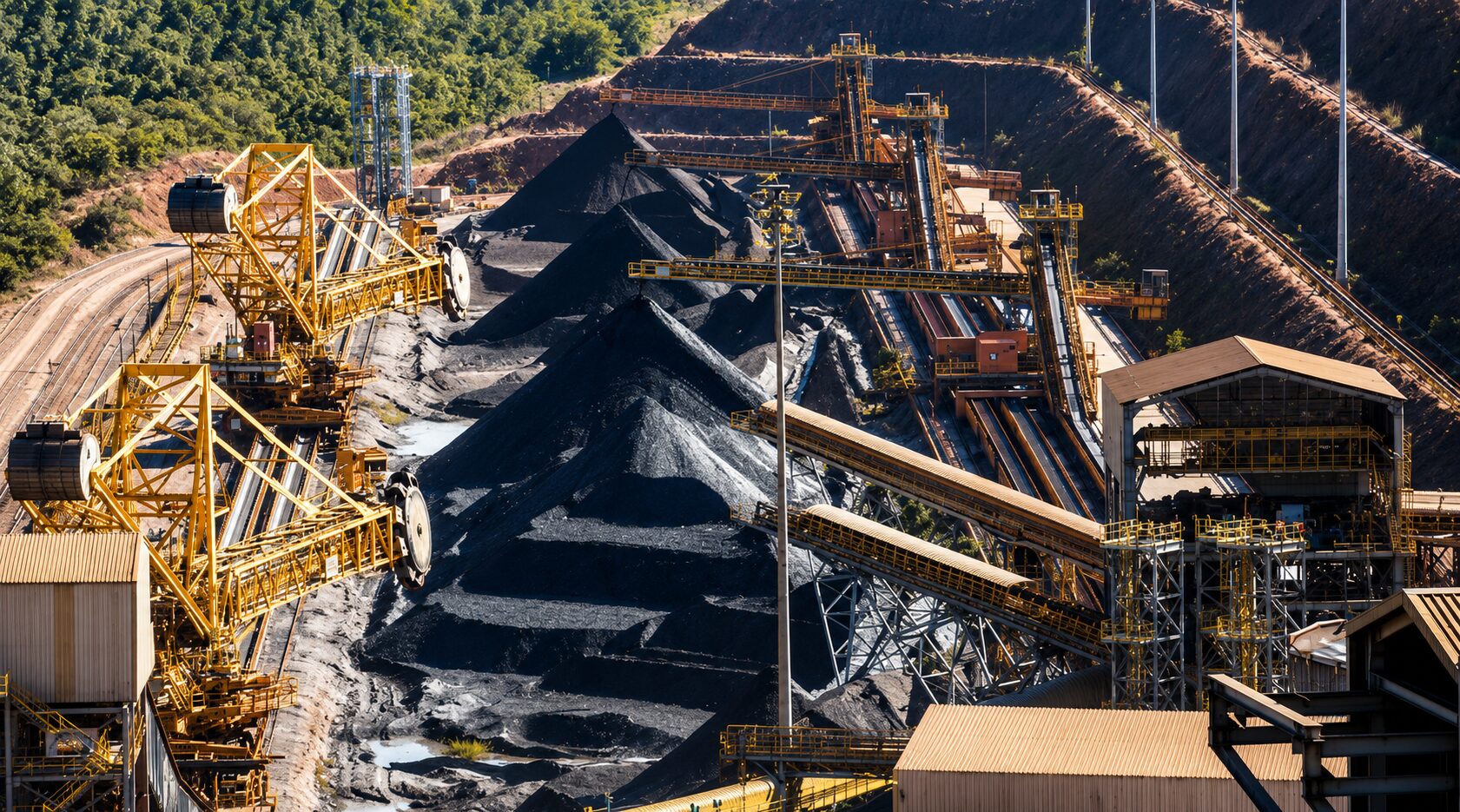
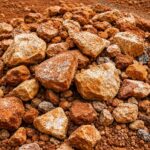
The Indian steel industry is undergoing a significant transformation, and the Direct Reduced Iron (DRI) route is at the center of this evolution. As demand for cleaner and more efficient steelmaking processes increases, iron ore pellets are rapidly becoming the preferred raw material over traditional lump ore. What was once considered an alternative feedstock is now emerging as the default choice for modern DRI plants.
The reason is simple: pellets deliver superior operational efficiency, better productivity, and more consistent metallurgical performance.
Why DRI Plants Are Switching to Pellets
Higher Iron Content for Better Yield
Iron ore pellets typically contain 63–66% Fe, offering a richer iron source compared to many lump ores. The higher iron content directly translates into improved metallic yield and greater sponge iron production per tonne of raw material.
For DRI operators, every additional percentage point of iron contributes to higher productivity and stronger profitability.
Uniform Size Improves Reduction Efficiency
Unlike lump ore, which often varies in size and composition, pellets are manufactured with a consistent shape and controlled porosity. This uniformity allows reducing gases to penetrate more effectively, resulting in:
- Faster reduction rates
- Improved furnace permeability
- Stable kiln operation
- Reduced process interruptions
The result is smoother plant performance and increased production efficiency.
Lower Fines Generation During Handling
One of the major challenges with lump ore is degradation during transportation and handling, generating fines that reduce usable material and affect process stability.
Iron ore pellets possess superior mechanical strength, minimizing breakage throughout the supply chain. Lower fines generation means:
- Reduced material loss
- Better storage efficiency
- Improved feed consistency
- Lower operational waste
This contributes to both cost savings and enhanced plant reliability.
Predictable Metallurgy Means Better Sponge Iron Quality
Modern DRI operations require precise control over chemical composition and reduction characteristics. Pellets offer highly consistent metallurgical properties, enabling operators to maintain tighter process control and produce uniform sponge iron quality.
Consistent feedstock minimizes process variability, supports stable furnace temperatures, and improves downstream steelmaking performance.
The Pellet Premium Pays for Itself
Although pellets often command a premium over lump ore, the operational benefits significantly outweigh the initial cost difference.
Benefits include:
- Higher productivity
- Lower energy consumption
- Improved reduction efficiency
- Reduced downtime
- Better product quality
- Lower material losses
When viewed from a total cost of production perspective, pellets frequently generate greater overall economic value for DRI producers.
Gimpex Pvt Ltd: Delivering Performance Through Premium Iron Ore Pellets
At Gimpex Pvt Ltd, we supply high-quality iron ore pellets engineered for consistent reduction performance and superior metallurgical efficiency. Our pellets are designed to support modern DRI plants with reliable feed quality, optimized iron content, and excellent physical strength that enhances productivity across the steelmaking process.
As India’s steel sector continues its expansion, pellet-based DRI production is poised to play an increasingly important role in improving efficiency, sustainability, and competitiveness.
The next generation of Indian steel is being built on smarter raw material choices—and that future runs on iron ore pellets.