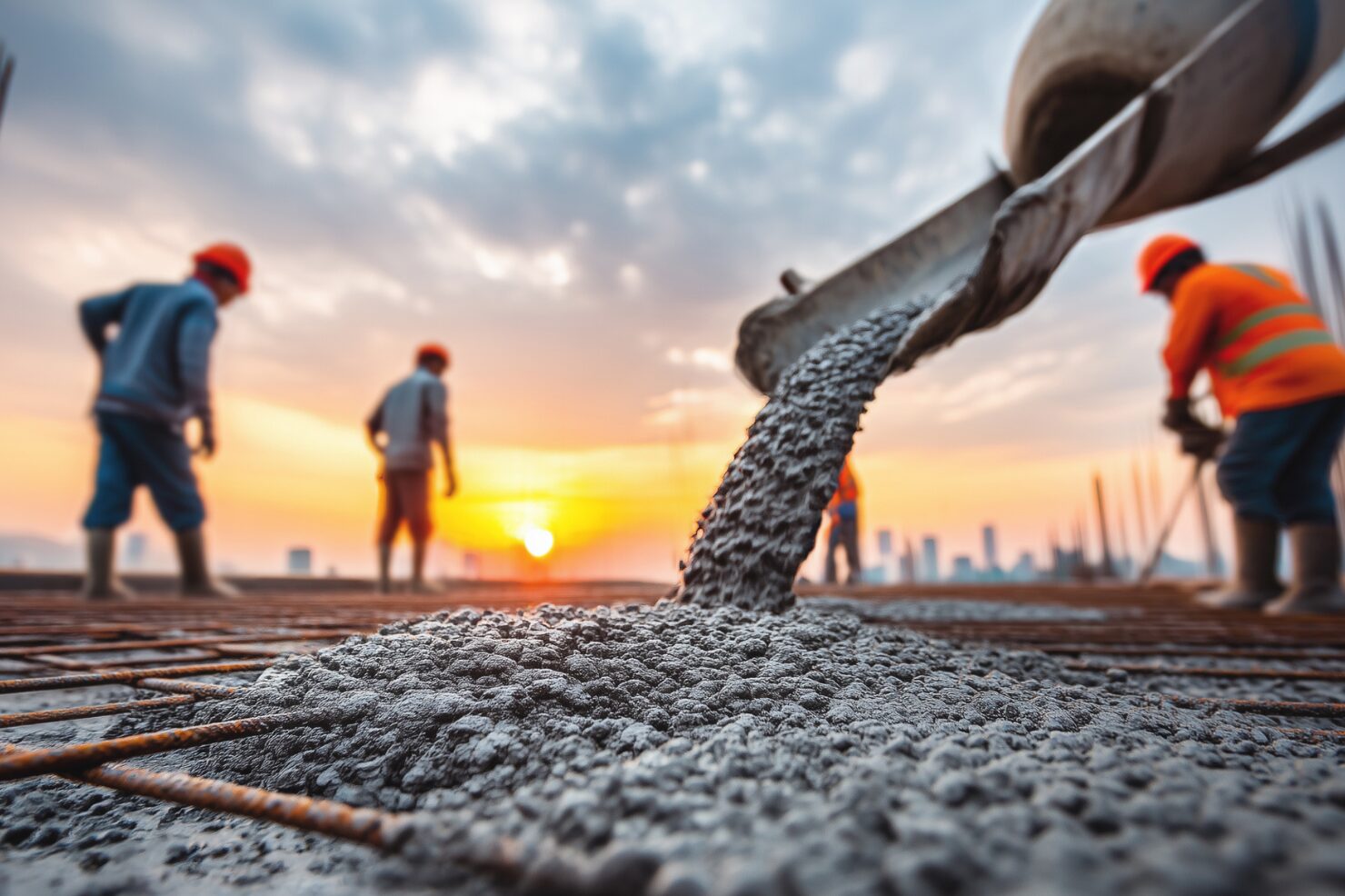
As cities expand at an unprecedented pace, the demand for sustainable construction materials has never been more critical. Urban development today is not just about building faster—it’s about building smarter, with a focus on reducing environmental impact while maintaining structural integrity. One material that is playing a key role in this transformation is slag cement, derived from Ground Granulated Blast Furnace Slag (GGBFS).
At Gimpex Pvt Ltd, we are committed to supporting the shift toward greener and more responsible construction practices. Slag cement stands out as a powerful solution that aligns with the goals of modern urban development.
Lower CO₂ Emissions
One of the most significant environmental advantages of slag cement is its ability to reduce carbon emissions. Traditional cement production relies heavily on clinker, a process that releases large amounts of CO₂. By replacing a portion of clinker with slag, the overall carbon footprint of construction projects is significantly reduced. This makes slag cement an ideal choice for developers aiming to meet sustainability targets and green building standards.
Waste to Resource
Slag cement is a prime example of turning industrial waste into a valuable resource. It is produced from by-products of the steel manufacturing process, which would otherwise go to waste. By repurposing this material, slag cement not only reduces landfill burden but also promotes a circular economy—where waste materials are reused efficiently in new applications.
Stronger and More Durable Structures
Sustainability is not just about environmental impact—it’s also about longevity. Slag cement enhances the strength and durability of concrete structures. It improves resistance to corrosion, chemicals, and harsh environmental conditions, making it especially suitable for urban infrastructure such as bridges, roads, and high-rise buildings. Longer-lasting structures mean fewer repairs and replacements, further reducing resource consumption over time.
Energy Efficiency
Compared to traditional cement production, slag cement requires significantly less energy. Since it utilizes already processed by-products, the energy-intensive steps involved in clinker production are minimized. This reduction in energy usage contributes directly to lower greenhouse gas emissions and more efficient resource utilization.
Building Future-Ready Cities
Urban development must evolve to address the challenges of climate change, resource scarcity, and population growth. Slag cement offers a practical and scalable solution that meets these demands. It is not merely an alternative to conventional materials—it represents a forward-thinking approach to construction.
At Gimpex Pvt Ltd, we believe that sustainable construction is the foundation of future-ready cities. By integrating materials like slag cement into modern infrastructure, we can create urban spaces that are not only strong and resilient but also environmentally responsible.